The big picture: one box, three customs declarations
If you are weighing whether to import cabinets to Canada alongside your US market, the honest comparison is not "same product, different label." It is the same flat-pack load clearing three different customs declarations, three different duty stacks, and three different broker conversations. The box does not change. The paperwork does.
The table below is the one-page version of this guide; each row is worked out in its section, and the starred cells were verified on 10 October 2026 and re-verified at entry, per this site's rule of not publishing tariff numbers without a date.
| United States | Canada | Australia | |
|---|---|---|---|
| Duty stack | Section 232 at 25% + Section 301 List 3 at 25% + AD/CVD by exporter + base rate | 25% provisional safeguard surtax (from 31 July 2026) + any other duties owing | 5% MFN on the published 9403 wood-furniture line* |
| Tax on top | None at federal level | Provincial sales tax by province | 10% GST on (CIF + duty) |
| Formaldehyde gate | TSCA Title VI (EPA) | CARB P2 certification on the Canadian route | None found on import* |
| Anti-dumping on Chinese cabinets | In force since April 2020 (A-570-106 / C-570-107) | The 25% is a safeguard, added on top of any other duties | None found on the current measures list* |
| Transit from Foshan (DDP) | 18-22 days to the West Coast | 18-22 days to Vancouver | 15-20 days to Sydney |
| The declaration nuance | Broker confirms scope and rate per entry | Safeguard code 26169A, amount in field 87 | Biosecurity: ISPM 15-compliant wood packaging |
Three of those cells are "per the published schedule, re-check at entry." That is not hedging; that is the correct way to hold a tariff number. The next two sections are the ones with moving parts.
United States: four layers, two dates to watch
The US is the most layered of the three borders, and it is the only one where the duty follows the factory, not just the product. The full stack - Section 232 at 25% on the wood-products heading, Section 301 China list duty at 25% on the cabinet subheadings, the anti-dumping and countervailing orders that are exporter-specific, and a base HTS rate of 0% - is worked out in the cabinet import tariff guide, which carries the landed-cost table. The scope question - whether your doors, boxes or flat-pack kit sit inside the orders at all - is the anti-dumping scope guide.
Two dates drive US planning right now. The first is 10 November 2026: the tariff suspensions from the October 2025 US-China truce lapse on that date, and a further Section 301 layer reported at 7.5% was held back pending the September 2026 summit - whether it is imposed, and on which codes, is still open as of this writing. The second is 1 January 2027: the scheduled step that would take the Section 232 cabinet rate from 25% to 50%, delayed a year by the December 31, 2025 proclamation and now due unless further action is taken. Any order that enters near either date should be priced against the rate in force on the entry day, not the rate in force when the quote was sent.
How to import cabinets to Canada in 2026
Import cabinets to Canada and the surtax is the headline, but the declaration detail is where entries actually get stuck. The dominant story first: on 31 July 2026 the Government of Canada put a provisional 25% safeguard surtax on certain wood cabinets, vanities and their subassemblies, in addition to any other duties owing. It runs for up to 200 days, the Canadian International Trade Tribunal inquires into whether final measures are warranted, and after the period the surtax continues only for the goods the CITT finds are being imported in conditions that cause or threaten serious injury. The full reading - the ten scope arguments the notice closes off in advance, the tariff items (9403.40.00.10, 9403.60.10.31, 9403.60.10.39, 9403.91.00.90), and the specific exceptions (CUSMA-origin goods, casual goods, Chapter 98, freestanding furniture, the mirror medicine-cabinet line) - is in the Canada surtax guide, which is written straight from CBSA Customs Notice 26-17.
Two operational details are worth keeping at hand even if you read nothing else. First, the declaration: the surtax is not entered under a normal duty code - it goes on the Commercial Accounting Declaration under safeguard code 26169A, with the amount in field 87, not field 85. A broker who has never declared a safeguard measure will not know that by instinct, so it belongs in the entry instructions, not in a hope. Second, the origin exceptions: goods originating in Canada, the United States, Mexico, Chile or Israel (and the CIFTA beneficiaries) are outside the Order, which is why CUSMA rules of origin are a live planning tool for any manufacturer with a North American footprint - and why a China-built run takes the 25% in full.
Formaldehyde runs on a different track in Canada: the Canadian import route works from CARB P2 certification on the boards, not from a US EPA filing. The compliance page has the certification stack as we ship it.
Australia: duty, GST and the biosecurity gate
Australia is the quietest of the three borders on duty and the strictest on packaging, and most first-time importers get that exactly backwards.
On the numbers: the published tariff schedule carries a 5% MFN rate on the 9403 wood-furniture lines - the rate in the last official schedule we could verify today, unchanged in our checks as of 10 October 2026, to be re-confirmed on your exact tariff item at entry - and the 10% GST is assessed on the sum of CIF value plus duty. There is no federal sales-tax analogue to the US layers, and no surtax regime like the Canadian 25%. On trade remedies, we found no anti-dumping or countervailing measure on Chinese wooden cabinets on the Australian Anti-Dumping Commission's current measures as of 10 October 2026 - unlike the US, where the orders have run since April 2020 - and the broker re-verifies the live list at entry, because that list moves.
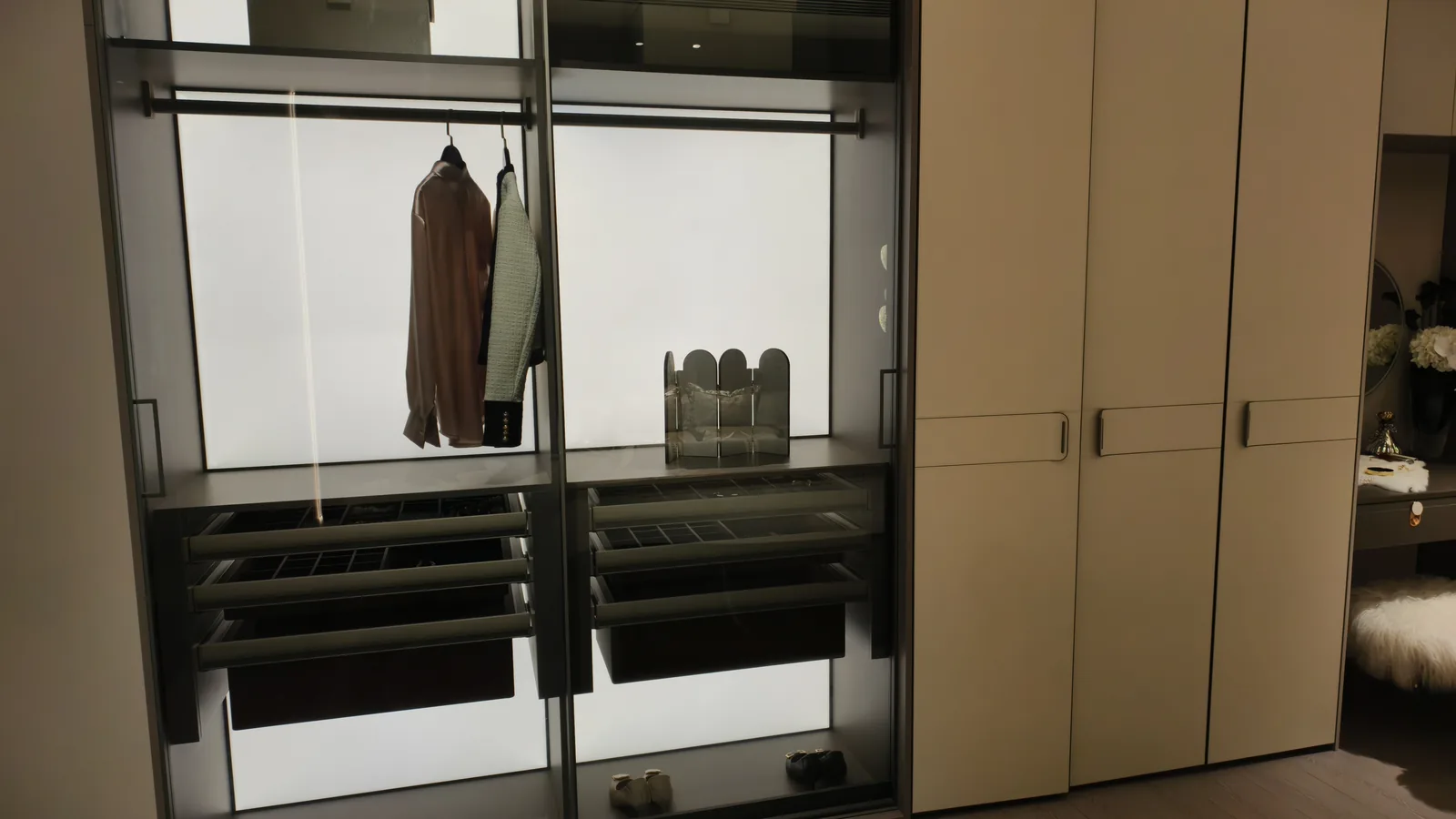
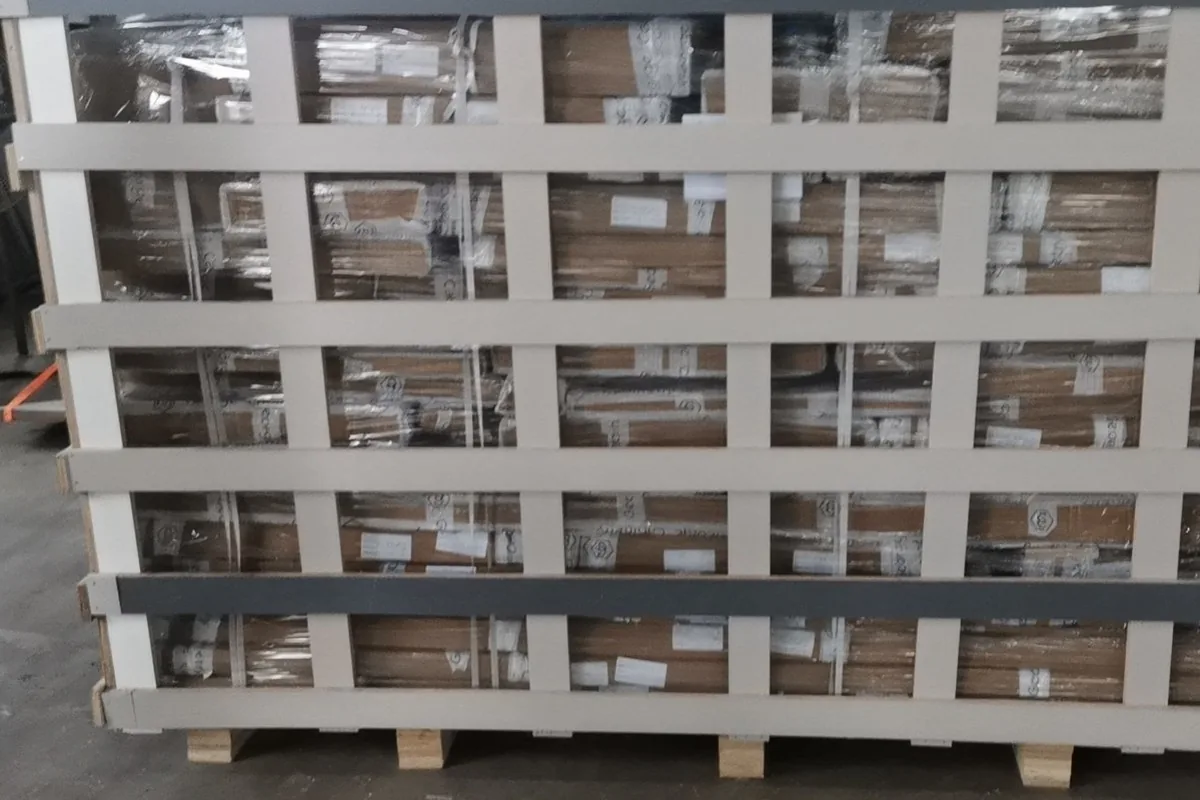
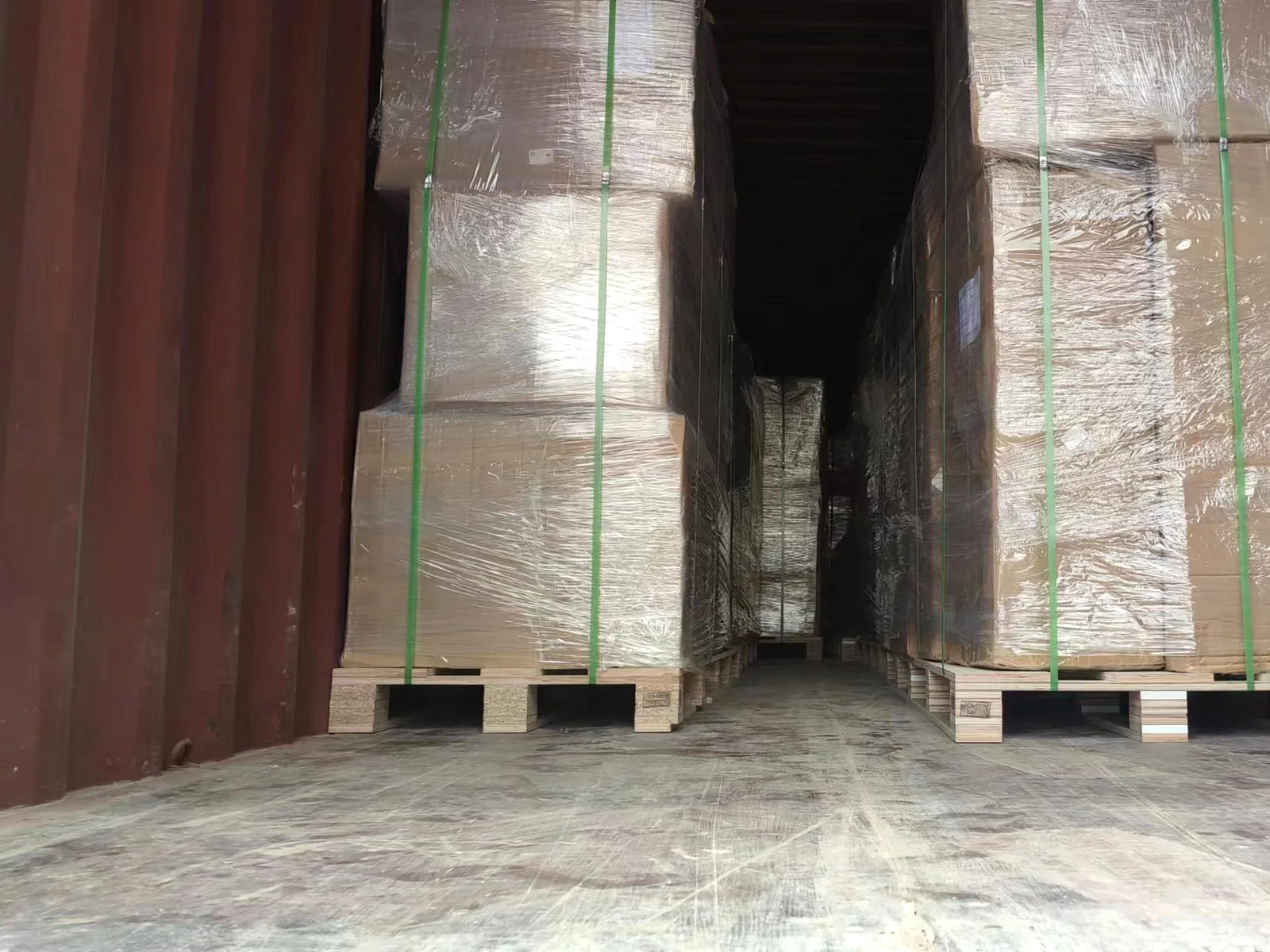
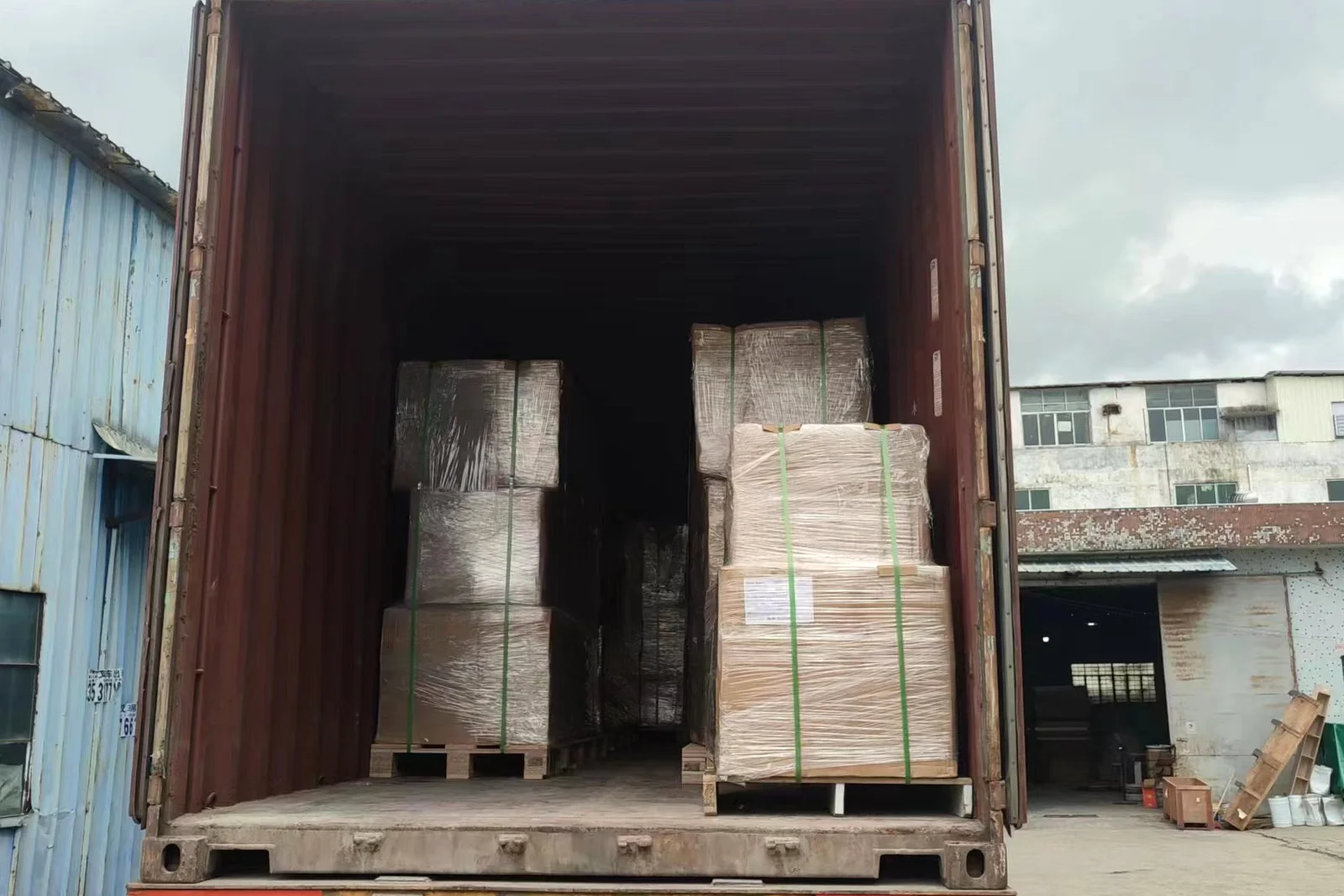
The gate that actually stops containers in Australia is biosecurity. Solid wood packaging - pallets, dunnage, timber-frame crates - must meet ISPM 15 under the import conditions administered by the Department of Agriculture and the border force: heat-treated or methyl-bromide fumigated, with the IPPC mark, and the treatment must be verifiable on the documents, not just asserted. Finished cabinets in treated timber frames or on heat-treated pallets are the clean case; the messy case is a supplier who "uses wood, we don't keep the certificates." The vacuum-baled, film-wrapped load you see in our packing photos is built for exactly this - no raw timber, no soil, nothing for the biosecurity officer to find.
On standards, the honest state of play: we found no formaldehyde-emission certification gate on cabinet imports into Australia as of 10 October 2026 (the CARB P2 requirement is a US/Canada-route matter), and the broker confirms the current position at entry. What Australia does ask for is the packaging discipline above, plus a clean commercial declaration - ABN and GST registration on the importing side, so the input tax credit on the 10% is claimable rather than a cost.
Two planning facts from the published lines: transit from Foshan to Sydney runs 15-20 days DDP, the shortest of the three markets, and the Australian reference program does not yet exist in our case list - the Australia market page says it plainly, and the first AU build is the one that creates it.
What the three borders share
Strip the duty stacks away and the three markets ask for the same four things from the manufacturer, and they are all things that belong in the factory, not the port:
- Flat-pack that survives any border. The Canadian Order names flat-pack and ready-to-assemble goods explicitly; the US scope text reaches them as components and assembled goods; the Australian case is the packaging, not the format. One packing standard serves all three - if you import cabinets to Canada from the same factory as your US run, it is the same crate, the same film, the same manifest discipline.
- A named exporter of record. It decides the US anti-dumping duty, it goes on every declaration, and it is the first of the six due-diligence questions you send a new supplier.
- Board certificates before the container, not after. TSCA Title VI for the US route, CARB P2 for the Canadian route, and the same underlying ply/edge/finish discipline either way - the frozen spec is the document that keeps them from drifting between markets.
- A broker per border. Three declarations mean three licensed conversations; the importing guide walks the US sequence, and the same structure - entry, bond, broker confirmation - holds in Vancouver and Sydney.
That is also why the DDP offer is worth reading as a risk statement, not a price: on a duty-paid number, the supplier clears the goods in each of the three markets and the duty lines - whichever of the stacks above apply - are inside the number to the dock, before the container ships. The dealers program runs that structure for dealers who do not want to carry three customs functions.
Pricing three markets from one quote
The mistake that kills tri-market dealers is pricing the three borders off one mental model - usually the US one. If you import cabinets to Canada first and the US market second, run both sheets in the same week, before either duty date moves. The discipline is a landed-cost sheet per market, off the same factory number, with the market-specific lines isolated:
- US: the four-layer stack plus the exporter's AD rate; re-check at the two dates above. The tariff guide has the worked 40HQ table.
- Canada: the 25% surtax on the value for duty, code 26169A in field 87, plus the provincial tax at delivery; the surtax guide has the exceptions list that can take goods out of it.
- Australia: 5% duty on the published 9403 line plus 10% GST on (CIF + duty), claimable as input tax with a GST registration; the packaging is the compliance cost.
Run the same box through all three sheets and the margin ranking between markets often surprises people - the shortest transit to Sydney and the claimable GST can put a comparable Australian job ahead of a US job entered in a bad duty week. The cost calculator builds the US sheet; the per-market add-ons above are the rest of the conversation, and they all start from the same frozen spec.
FAQ
What tariffs apply to Chinese cabinets in 2026?
In the US, four layers: the Section 232 wood-products surcharge at 25%, Section 301 China list duty at 25%, unchanged since May 2019, the exporter-specific anti-dumping and countervailing orders, and the base HTS rate (0% on the cabinet subheadings). The forced-labour tranche of July 2026 is exempt for cabinets. In Canada, a provisional 25% safeguard surtax effective 31 July 2026, in addition to any other duties owing. In Australia, the 5% MFN rate on the published 9403 wood-furniture line plus 10% GST on the sum of CIF value and duty, re-verified at entry.
Is the Canadian 25% surtax permanent?
No. It is provisional: up to 200 days from 31 July 2026, while the Canadian International Trade Tribunal inquires whether final safeguard measures are warranted. After the period, the surtax continues only for the goods the CITT finds are being imported in conditions that cause or threaten serious injury, and it ceases entirely if the inquiry finds no goods meet that test.
Can one flat-pack container serve all three markets?
One container goes to one destination, so three markets means three orders and three entries - but the same packing standard works for all of them. The Canadian Order names flat-pack and ready-to-assemble goods explicitly, the US scope text reaches them as components and assembled goods, and the Australian requirement is about the wood packaging, not the format.
What formaldehyde rules apply in Canada and Australia?
The Canadian import route works from CARB P2 certification on the boards. We found no formaldehyde-emission certification gate on cabinet imports into Australia as of 10 October 2026, and the broker confirms the current position at entry. The US route runs on TSCA Title VI, which is why the same factory carries a different certificate set per market.
Who is the importer of record in each market?
Under FOB or CIF, you are the importer of record in all three: the entry, the bond or its equivalent, and the duty lines sit with you. Under a duty-paid (DDP) price the supplier clears the goods in each market and the duty stack is inside the number to the dock, with the rate risk on the supplier's side.
How long does shipping take from Foshan?
The published lines: 18-22 days DDP to the US West Coast and to Vancouver, 32-40 days to the US East Coast, and 15-20 days to Sydney. Transit is the least of the three markets' variables - the duty dates are what move.