Scope is decided by the order text, not by your supplier's website
The first mistake buyers make is treating the anti-dumping duty as a property of the product name. It is not. It is a property of a legal text. The two US orders on wooden cabinets and vanities from China - the AD case A-570-106 and the CVD case C-570-107, both in effect since April 21, 2020 - each carry a scope description, and that description, not the supplier's website, not the marketing name, and not the HTS code by itself, decides whether your goods are caught.
The whole test fits in two lines:
"wooden cabinets and vanities that are for permanent installation (including floor mounted, wall mounted, ceiling hung or by attachment of plumbing), and wooden components thereof"
Read those two lines a second time, because the second one is where most buyer orders actually live. The first line is an installation test for finished goods. The second line is a components test that reaches into the parts, and the parts are exactly what a flat-pack export order is made of. A supplier that tells you "our cabinets are fine" without reading the scope text has not answered the question; the scope text, applied line by line to your packing list, is the answer.
| Line of your order | Scope read | Why the text says so |
|---|---|---|
| Assembled kitchen cabinet run (base, wall, tall) | In | Finished cabinets for permanent installation, floor or wall mounted |
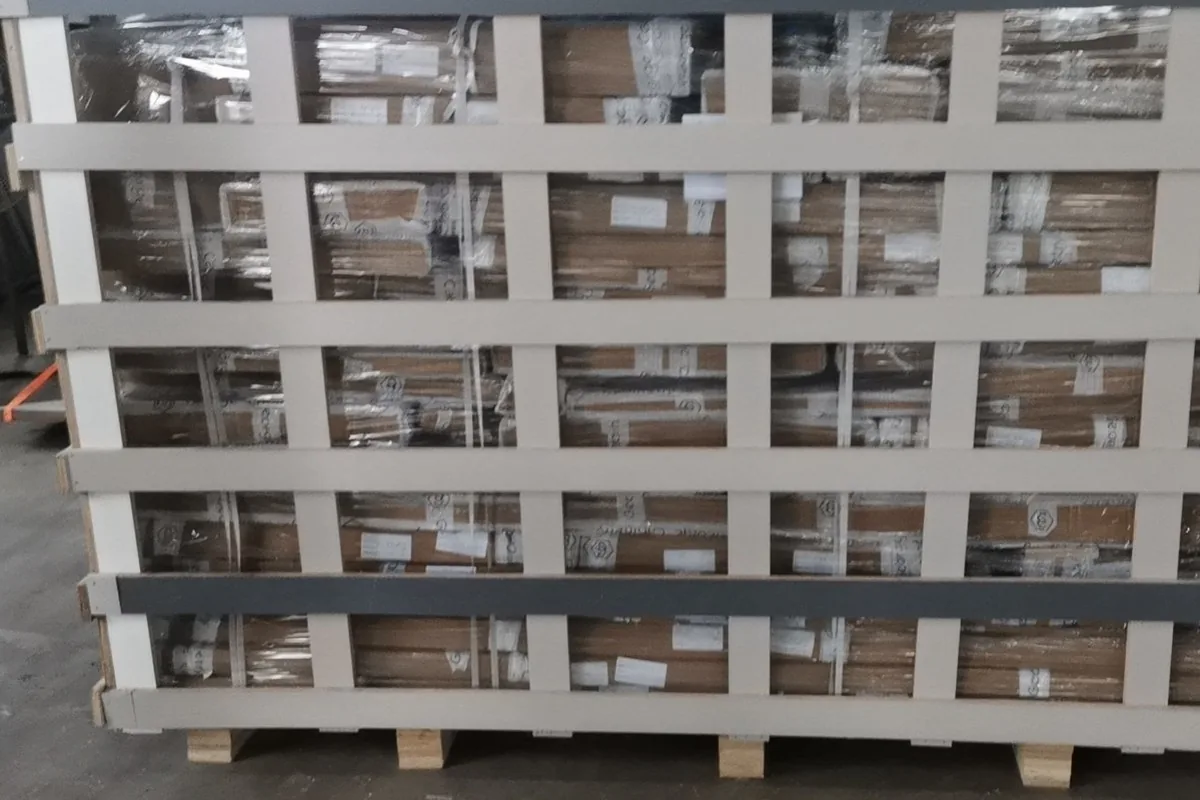
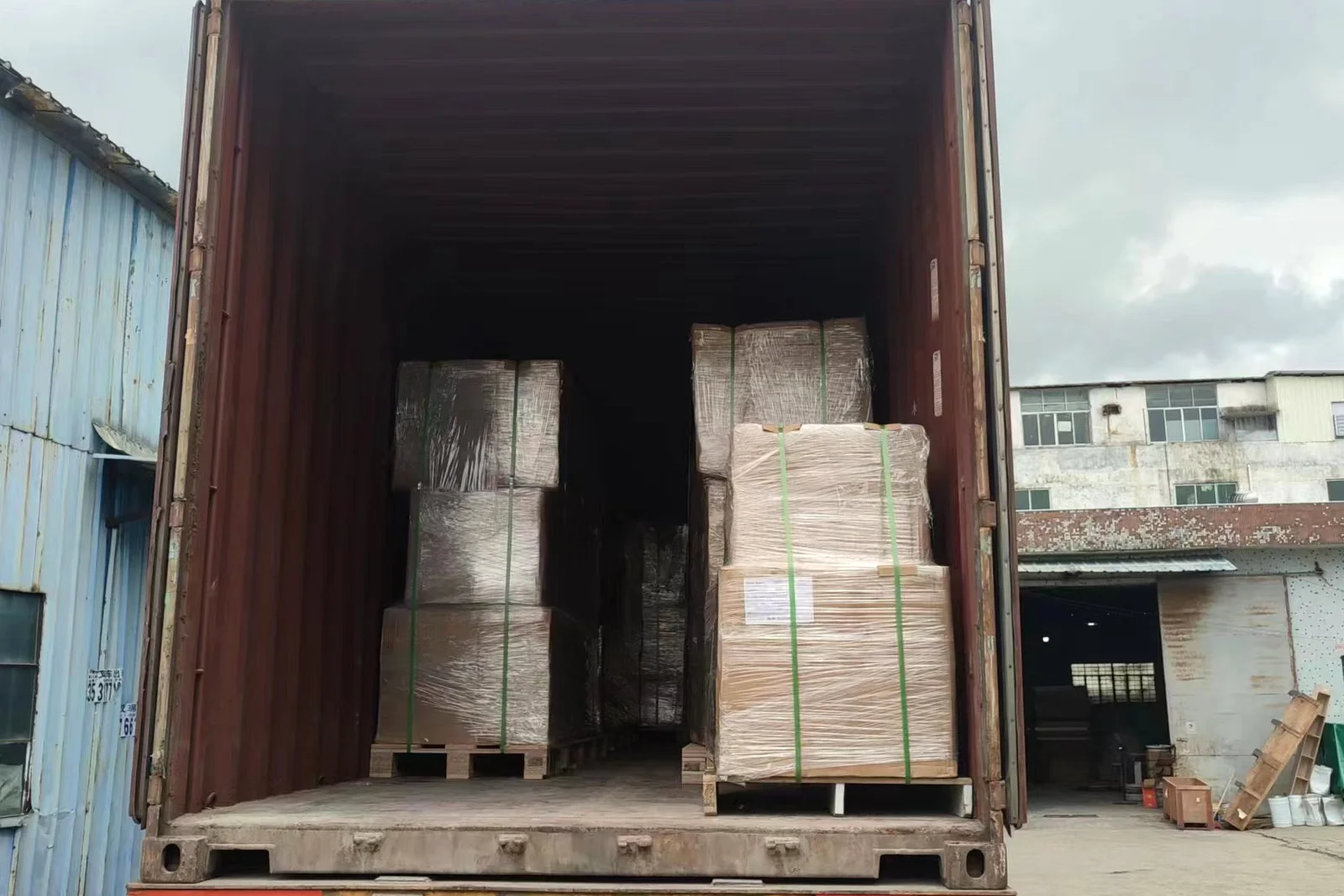
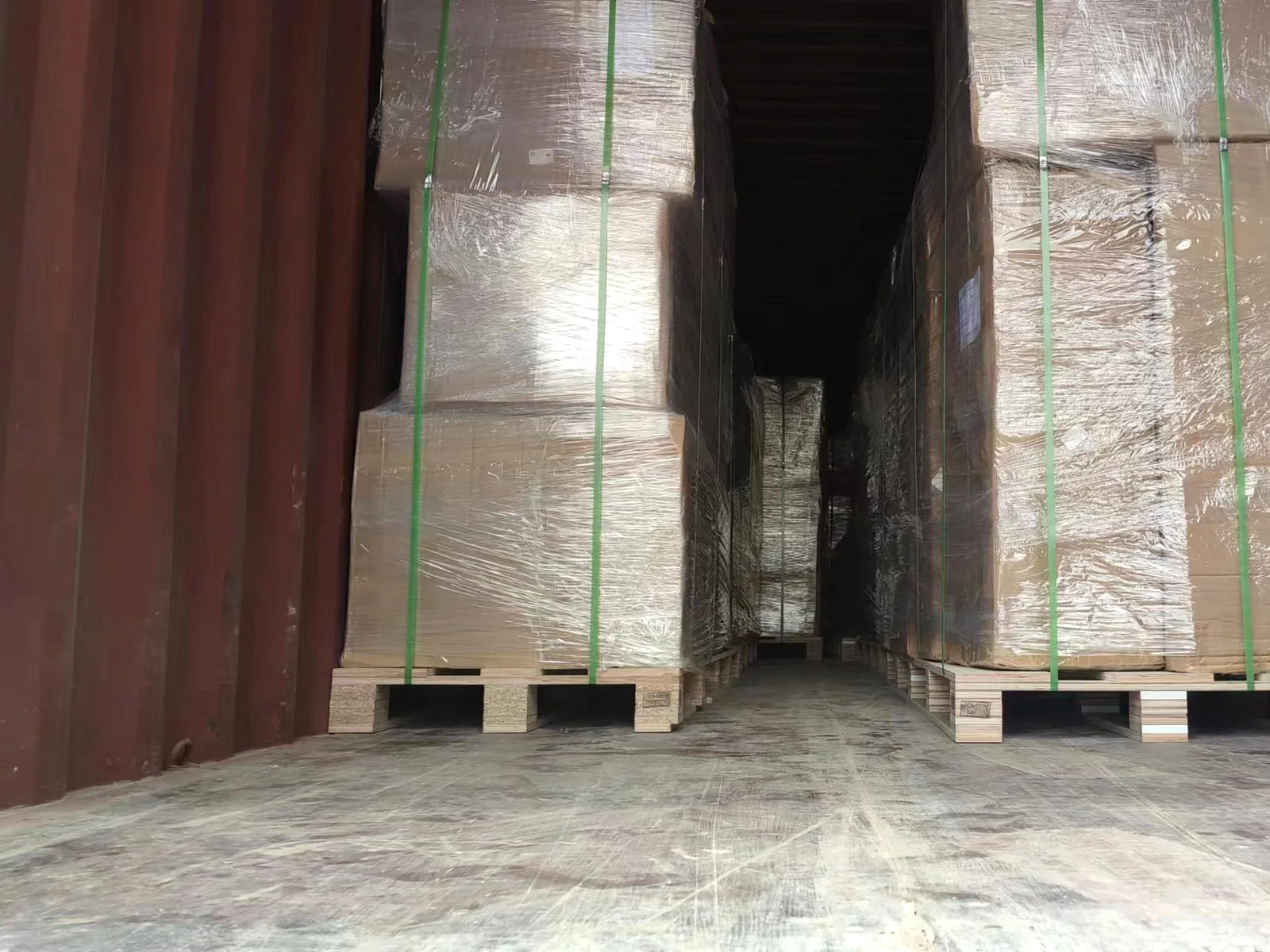
| RTA / flat-pack boxes, assembled on site | In | Unassembled cabinets remain cabinets - the orders cover both states |
| Vanity units, with or without the top | In | Named in the text, plus the "attachment of plumbing" clause |
| Door panels, frames, drawer boxes | In | "wooden components thereof" |
| Metal hardware, stone tops, glass | Outside the AD/CVD text on their own | Not wooden components - they ride the entry under their own lines, broker confirms |
| Raw panels with no cabinet function | Not caught by this scope | A component must be a component of a cabinet or vanity - broker confirms per entry |
Two rows in that table carry the word "broker," and that is deliberate. The scope read above is the working read, and it matches how the orders have been enforced since 2020 - but the entry is where it becomes binding, and the entry is the broker's document.
What the China cabinet and vanity orders cover
The finished-goods line: "for permanent installation"
The first line is narrower than people assume. It does not describe a category called "kitchen cabinets"; it describes an installation condition. Floor mounted, wall mounted, ceiling hung, or attached by plumbing - those four parentheticals are the enforcement-friendly way of saying "fixed in the destination country." A base cabinet run that will sit on the kitchen floor is the obvious case; a tall pantry is the other. The line exists to stop arguments about edge products, and it has done that job consistently, which is part of why the orders have survived both the first sunset review and the 2025 trade-court challenge to them.
The component line: "wooden components thereof"
This is the line that changed how parts orders are built. Door panels, frames and drawer boxes are each a wooden component of a cabinet, and each one is in scope on its own - the word "thereof" does the work. It does not matter that the panels will never be fixed to a wall; they are components of a good that is.
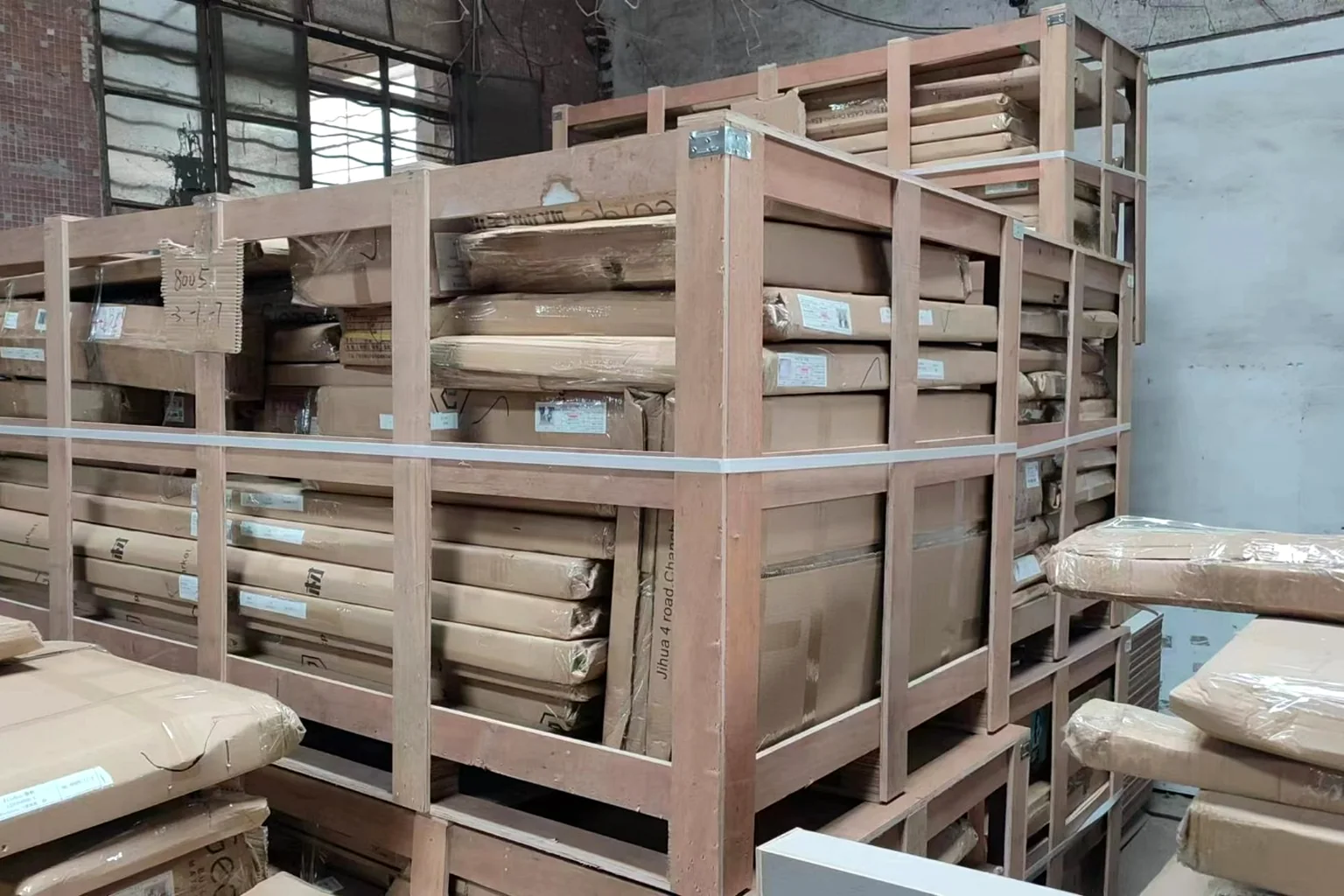
Commerce has opened circumvention inquiries aimed at parts-only shipments, and that detail matters more than it looks. Inquiries like that are not routine housekeeping - they are the government responding to a pattern, and the pattern in this case is orders structured as "just the parts" in the hope that the parts would sit outside the orders. They do not. If a quote splits a kitchen into a box order and a separate door shipment, the correct move is to have the broker confirm both entries against the scope text before you commit, not after the container leaves.
The common misread: "we changed the HTS code"
Classification and scope are two different tests, and buyers mix them up constantly. The HTS code sets the base rate and decides which tariff headings apply - including which Section 232 lines, if any. The AD/CVD scope text attaches to the goods themselves. A code change does not re-draft the scope text: if the goods are wooden components of a cabinet, entering them under a different heading does not stop the orders applying - it makes the entry internally inconsistent, which is a worse position than the original one. When the reading is genuinely unclear, there is a mechanism: a scope inquiry filed under 19 CFR 351.225, with the USITC ruling on the specific product. Ask the broker to run it before you assume.
The anti-dumping duty follows the exporter, not the product
Section 232 has one rate for everyone. The AD/CVD orders do not. The cash-deposit rate on your entry is the rate assigned to the exporter that produced and shipped the goods - the factory name on the export documents, not the trading company your email is addressed to, and not "China" as a concept. That single fact is why two quotes for the same box from two factories cannot share one duty number.
The scale of the difference is easier to see in the published numbers than to feel. In the most recent final results - the AD final published in April 2026 and the CVD final in March 2026 - named companies carried AD cash-deposit rates from 7.67% to 43.92%, separate-rate exporters averaged around 10.02%, and the China-wide rate, which is what applies when no individual rate exists, sat at 251.64%. A 251.64% charge on the goods value is not a margin line; it is a deal-killer, and it is the default position for any manufacturer that has never been assigned its own rate. Those figures are the snapshot from the latest review cycle; Commerce revises the numbers in each annual administrative review, so the number that matters for your order is the one in force on your entry date. The cabinet import tariff guide holds the full current table and the four-layer stack it sits under.
Two mechanics on top of the rate structure trip people up. First, timing: the deposit that gets paid is the rate in effect when the entry happens, not when the quote was sent - a review that publishes mid-shipment can change the number your container lands with. Second, liquidation: the cash deposit is an advance, not the final bill. When the administrative review covering those entries completes, Commerce applies the exporter's reviewed rate, and the bond you post at entry covers the difference if the final number is higher than the deposit. That is a live cost, not a theoretical one, and it is another reason the exporter's review history is commercial due diligence, not paperwork.
Importer of record: the liability that sits with you
Under FOB or CIF, you are the importer of record, and the title is more than a label. The entry, the bond, the cash deposits and the assessment risk at liquidation all sit with you - which means the factory's AD rate is a commercial fact about your cost, not the supplier's problem to manage. A supplier that quotes you a clean number without telling you its AD status has not given you a low quote; it has given you a quote with the risk exported, invisibly, to you. The importing guide walks the full US entry sequence step by step, and this is the layer where the sequence gets expensive if the inputs were wrong.
Under a duty-paid (DDP) price the structure inverts. The supplier clears the goods; the duty lines - including the anti-dumping duty, the CVD and the bond - are inside the number to the dock, and the rate risk stays on the supplier's side. That is the structure our own export quotes run, and it is the structure we push to dealers who do not want to carry a customs function - the dealers page has the program terms, including what the duty-paid price locks in before the container ships. The middle option is the one to question hardest: a supplier that ships FOB but describes the goods as "duty handled" in chat. FOB means you enter; "duty handled" means someone else believes they are entering; the entry can only have one importer of record, and it is not resolved by a chat message.
Six due-diligence questions for a new supplier
Send these before the deposit, not after the quote. They cost a serious supplier nothing to answer in writing, and a supplier that dodges two of them has told you the answer to all six.
- "Who is the exporter of record for my shipment - the exact company name as it will appear on the export documents?"
- "What is your cash-deposit rate under AD case A-570-106 and CVD case C-570-107, and from which administrative review do those rates come?"
- "Do you hold a separate rate, or will my entry sit at the China-wide rate?"
- "For a parts or components order, which HTS lines will you declare, and have you confirmed the scope reading with your broker?"
- "Will you clear the goods duty-paid, or will I enter them as importer of record?"
- "Can I verify your export history - prior entries, the rates applied to them, and any scope or circumvention proceedings you have been through?"
Questions two and three are the pair that decides the order. A factory with a separate rate in the single or low double digits and a factory sitting at the China-wide rate can quote you the same box, and the difference between those two entries is the difference between a workable margin and a loss - the anti-dumping duty is the variable, not the freight. The verification path is the same discipline we apply to our own supplier documents: the quality page shows how certificates and process records are checked against the issuer, and trade-remedy status gets the same treatment - the rate a supplier claims is only as good as the review cycle it comes from.
When the answer is "ask your broker"
This guide is a framework for the conversation, not a legal or customs opinion, and three lines stay with a licensed broker: the final scope reading on your exact goods, the HTS classification of each line, and the rate in force on your entry date. The scope text is short enough to read in a minute and specific enough to argue about for a week - which is exactly why it gets argued, per entry, by someone whose license is on the line. That boundary is also why this page links the numbers to the published review cycle instead of quoting a rate as a promise: rates are snapshots, and a snapshot offered as a fixed price is the first sign of a quote that has not been checked. If a supplier's answer to any of the six questions above makes you pause, the pause is the point: the entry date is the last day the question is cheap to resolve, and the broker file is where the answer becomes part of the record.