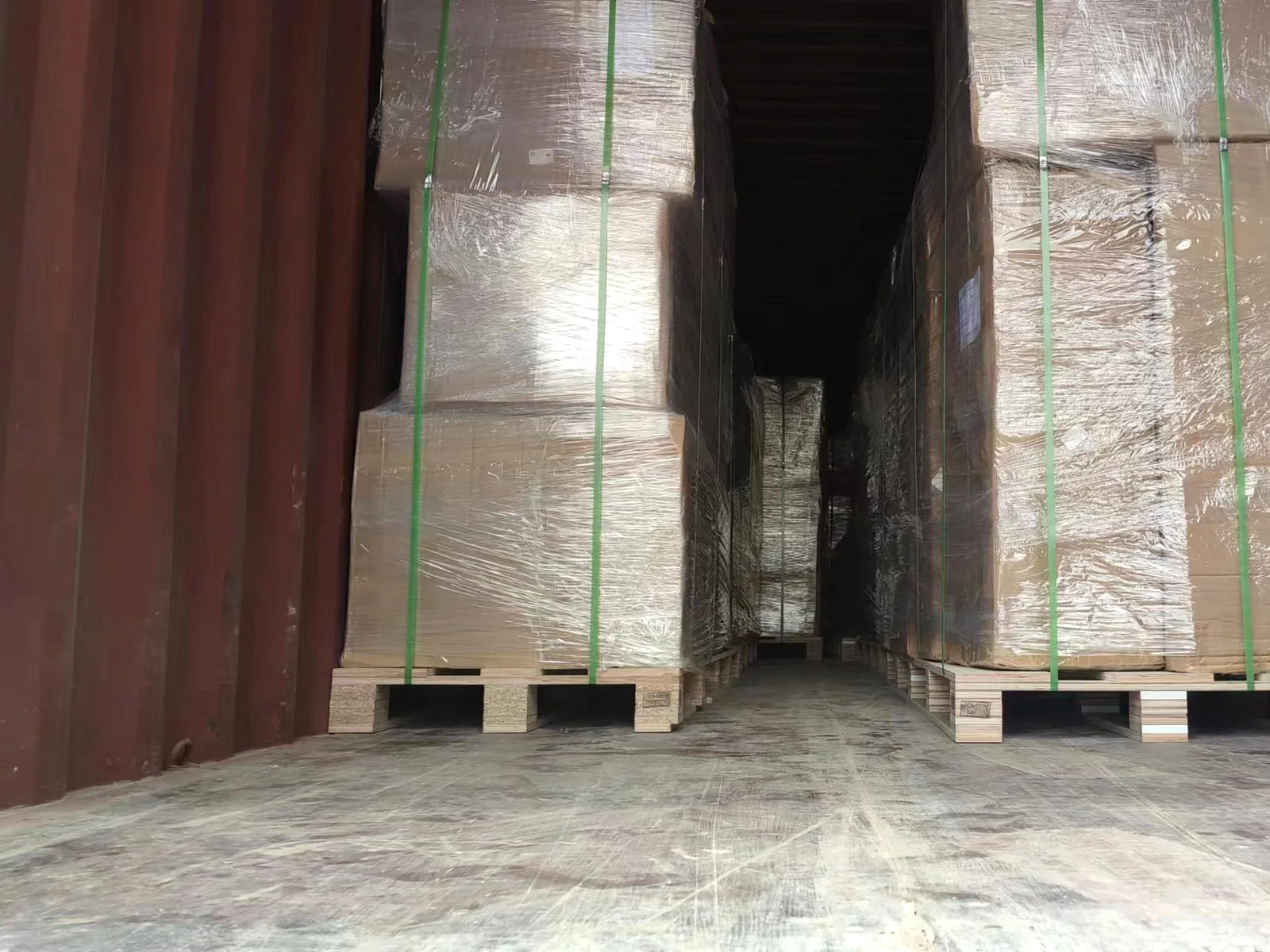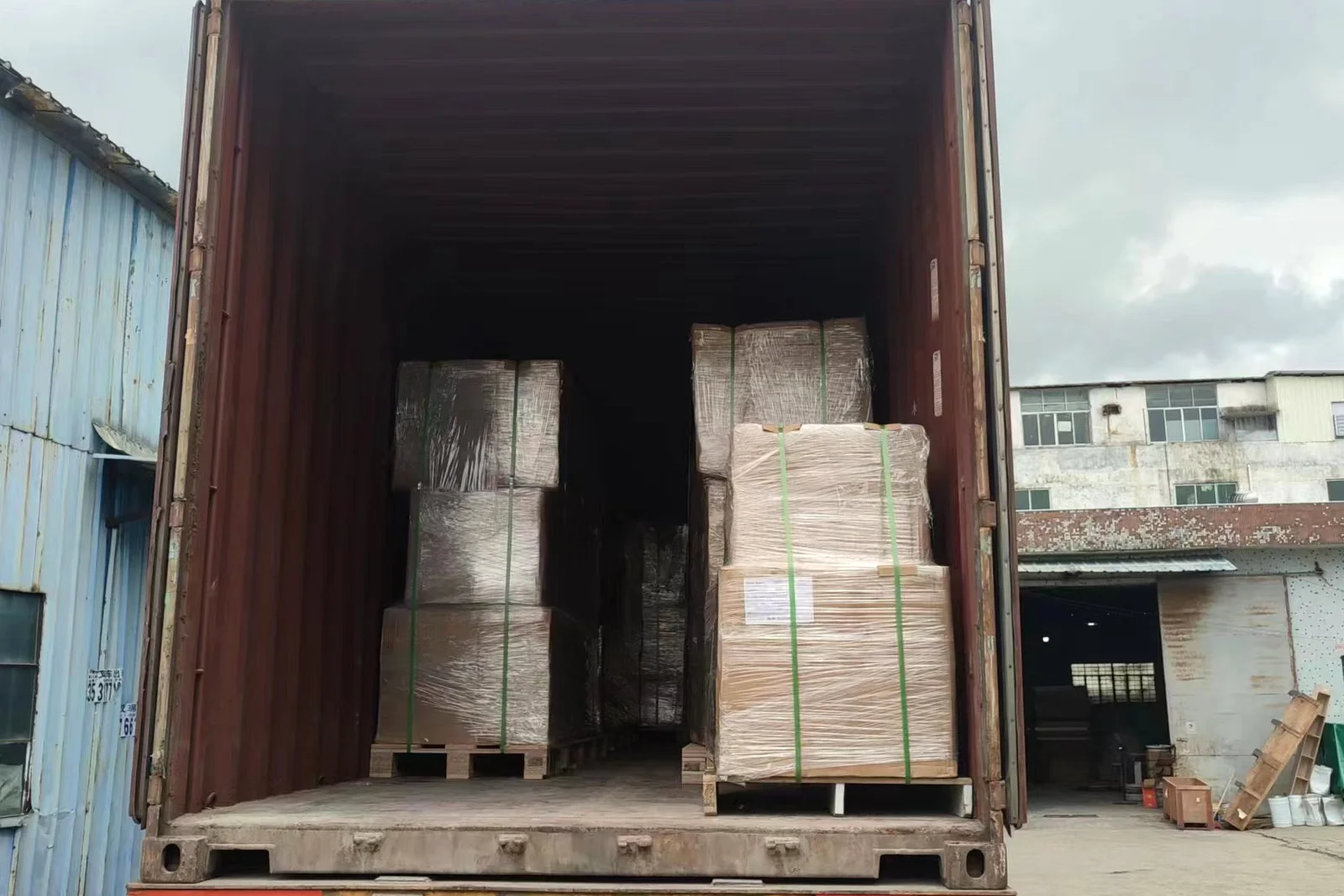
Duty-paid is a trade term (DDP - Delivered Duty Paid). In plain language: one price covers the goods, the ocean freight, the US customs clearance, the import duties, and delivery to your address. When the truck pulls up, nothing else is owed to the port.
That's the promise. The surprises live in the fine print, and they cluster in three places.
What "duty-paid" covers
- The cabinets themselves, flat-packed and crated, numbered by room and run.
- Ocean freight from Foshan (or the factory's export port) to your port of entry - Los Angeles / Long Beach, Houston, Savannah, the usual doors.
- US import duties, including the Section 301 tariff on Chinese wood products. This is the line most buyers never see - and it's usually the biggest hidden cost in an FOB or CIF deal.
- Customs clearance and drayage - the paperwork and the short haul out of the port.
- Delivery to your site, usually to the ground floor of a residential or commercial building.
What it doesn't cover
- Countertops and stone. Slabs are almost never in a duty-paid cabinet price - lead time, cutting and crating are separate. If a quote includes "top," ask what material and thickness it is.
- Appliances. Integrated ovens, fridges and dishwashers are buyer-supplied unless itemized.
- Stairs and hoisting. Ground-floor delivery is standard. Upstairs, narrow stairwells and pallet hoisting get quoted - always confirm which floor the price lands on.
- Installation. Some suppliers include it for multi-unit projects, most don't. Know which camp you're in before you sign.

The three places buyers get surprised
1. The tariff line
Under FOB or CIF terms, your broker discovers the Section 301 duty at the port and it lands on you, often with a storage fee for the days the box sits unresolved. Under a real DDP price, it's inside the number. Ask for the tariff rate and the HS code on the quote - a supplier who knows both is a supplier who's shipped this before. Origin sits behind that rate too: a Vietnam-built run clears lighter duty lines, but the anti-dumping order on Chinese cabinets still reaches goods that were only finished there.
2. The "per linear foot" gap
The base run looks cheap until the tall units, the island, the appliance garages and the fillers show up - sometimes as "extras" at a second rate. Read a quotation line by line before you compare two numbers.
3. The port congestion window
Transit time from factory to dock is quoted as a range. In congestion season the dock end of the range is where you land, and if your install date is fixed, the schedule breaks. We confirm the production slot in writing before the deposit - the container date then carries to the delivery window.
The order of steps
| Step | What happens | Typical timing |
|---|---|---|
| 1 · Spec & drawings | Floor plan in, 2D layout + 3D render back | 24-72 h after files |
| 2 · Quote & deposit | Line-item quote confirmed, deposit paid | Within 1 business day |
| 3 · Production | Factory lead time runs from confirmed drawings | 10-14 days |
| 4 · Pre-shipment QC | Photo/video check of the full run before packing | Day of packing |
| 5 · Ocean + customs | Container books, sails, clears under DDP | 18-22 days to US West; 32-40 days to US East |
| 6 · Delivery | Pallets to your site, numbered by room | Scheduled 3-7 days ahead |
The numbers above are our standard commitments for US-bound orders: 18-22 days to the US West Coast, 32-40 days to the US East Coast, 18-22 days to Vancouver, 15-20 days to Sydney. Schedules shift with the season - confirm your port's current booking with us before you lock an install date.

Before you send the floor plan
Three things make the first quote land on target instead of starting a negotiation: rough dimensions to the centimeter (or inch), the door style you want from our collections, and your delivery address with the floor. Send those and the number you get back is the number you budget with.
Primary sources for duty and clearance
The documents that travel with the container
A duty-paid order is a price plus a set of documents. Knowing which four exist, and when each one reaches you, is the difference between tracking an order and chasing it.
- Commercial invoice. The value and the contents, line by line. It is the document customs assesses duty against, so it should describe the actual goods: cabinet parts, panels, hardware and the packing, not a generic description that invites a second look.
- Packing list. The physical breakdown of the crate: how many pieces, what each crate weighs, and its dimensions. This is the document your installer needs on the first morning, because it tells them which crate belongs to which bay before anything is opened.
- Bill of lading. The carrier's receipt and the contract of carriage. It is what the forwarder works from, and it is the document to hold before paying a balance - not because it proves quality, but because it proves the goods left.
- Certificate of origin. Where the goods were made, used for the duty rate. If you are importing into a market with a trade agreement, this is the document that decides whether you get the preferential rate.
On a duty-paid order the supplier owns the customs entry, so these documents travel with the shipment rather than landing on your desk in advance. Ask for the invoice and packing list as PDFs when the container leaves, and keep them with the order contract: they are the pair you will want if an inspection is raised, if a claim is filed, or if a future buyer asks what is inside the cabinets.
FAQ
What does duty-paid actually cover for a US import?
It covers a single price to a named address: production, crating, ocean freight, insurance, customs clearance, the duty and the delivery leg inside the United States. That is why a duty-paid figure is the number to compare against a domestic quote, and why it is the only number a buyer can put into a project budget without adding an estimate on top.
What is not included in a duty-paid price?
Anything that happens after the tailgate: unloading, carrying into the building, install labour, removal of packing material, and any site cost such as a crane or a lift for an upper floor. Those are quoted by your contractor. The boundary is worth writing into the order, because being asked to pay for a delivery upgrade after the container lands is a preventable surprise.
Who clears customs on a duty-paid shipment?
The supplier, through a customs broker. The entry is filed in the importer's name, so the supplier needs the importer details before the vessel arrives: a company name or a personal ID, a tax number and a delivery address. Send those with the deposit rather than the balance, because a missing detail at the port costs more than any part of the order.
How long does US customs clearance take?
Normally a few days, and it runs in parallel with the ocean leg rather than after it. The delay cases are the ones to plan around: an examination ordered by customs, a missing importer detail, or a document that describes the goods in a way that invites a closer look. A complete invoice and packing list are the cheapest insurance against all three.
Do I need to be the importer of record?
Yes. The importer of record is the party legally responsible for the entry, and on a duty-paid shipment that is the buyer, with the supplier acting as the payer and the coordinator. What you need is a way to be identified in the country of import, plus the duty rate that applies to the goods and their origin, which is what the trade agreements change.
What happens if the container is delayed?
The schedule absorbs small delays by itself: ocean transit is quoted with buffer, and the delivery is arranged after the vessel clears. What is worth agreeing in writing is who carries the storage cost if the container sits at the port because a document or an address is missing, and what notice the supplier gives before the delivery date moves.