Home / Importing & compliance / Canada surtax
Compliance · Canada
Canada's cabinet surtax, in one document.
On 31 July 2026 the Government of Canada put a provisional 25% safeguard surtax on certain wood cabinets and vanities and their subassemblies. It runs for up to 200 days, it applies to flat-pack and ready-to-assemble goods, and it is declared under a code most importers have never used. This is what the order actually says.
What the order says
What the cabinet surtax covers - and what it does not.
Everything below is from CBSA Customs Notice 26-17 and the Certain Wood Cabinet and Vanity Goods Surtax Order behind it. Nothing here is a summary of a summary.
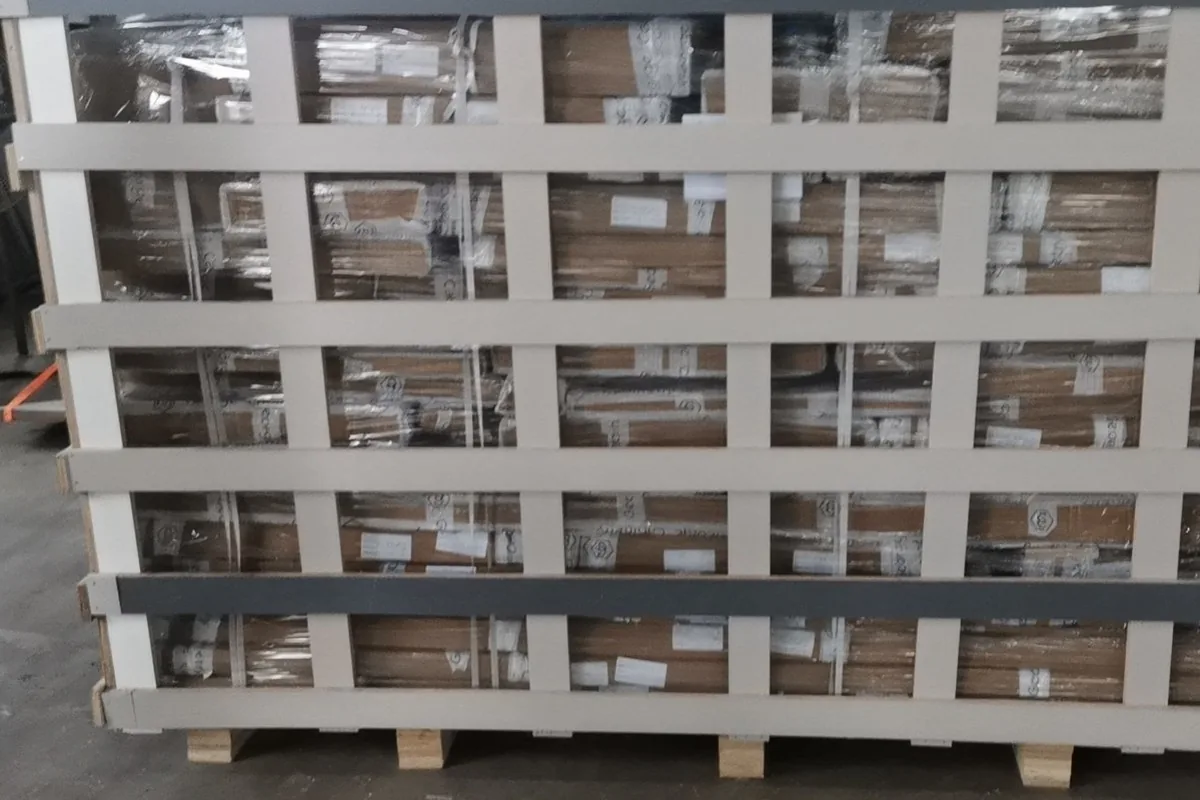
| Question | What the notice states |
|---|---|
| What is charged? | 25% of the value for duty, in addition to any other duties owing - customs duty, anti-dumping or countervailing duties, and taxes |
| How long? | Up to 200 days beginning 31 July 2026; the CITT inquiry decides whether final measures are warranted |
| Which goods? | Cabinets and vanities made in whole or in part of wood products and intended for permanent installation, plus their subassemblies |
| Which tariff items? | 9403.40.00.10, 9403.60.10.31, 9403.60.10.39, 9403.91.00.90 |
| Who imports? | Commercial importations only - casual goods are outside the Order |
| How is it declared? | Safeguard code 26169A on the Commercial Accounting Declaration; the amount goes in field 87, not field 85 |
No loopholes in the wording
Ten ways the goods stay in scope.
The notice closes off the obvious arguments before they are made. Goods are subject to the surtax regardless of whether they are:
| Argument | The notice's answer |
|---|---|
| "It is engineered wood, not solid." | In scope - particle board, plywood, strand board, block board, fibreboard, bamboo included |
| "It has a veneer, laminate or overlay." | In scope - wood, paper or other overlays and laminate included |
| "It has metal, stone or glass parts." | In scope - non-wood components and trim included |
| "It ships unfinished." | In scope - finished and unfinished alike |
| "It ships uncompleted." | In scope - completed and uncompleted alike |
| "It is flat-pack / RTA." | In scope - assembled, unassembled, flat-pack or ready-to-assemble formats named in the Order |
| "Hardware and faces ship loose." | In scope - the wood components and parts needed to assemble a cabinet are named, drawer faces and doors included |
| "It is sold with a sink or countertop." | In scope - attachment to or conjunction with faucets, sinks, countertops does not remove it |
| "It is for a closet, not a kitchen." | In scope - kitchens, bathrooms and closets alike |
| "It is modular, not permanent." | In scope - permanent, semi-permanent or modular marketing is irrelevant |
The notice also states the surtax applies even where goods could otherwise be classified under a Chapter 99 tariff item that would give a duty-free or reduced rate. Classification alone does not lift it.
The clock, and the exceptions
Two hundred days, and the doors that stay open.
The measure is provisional. For up to 200 days from 31 July 2026 it applies across the listed goods while the Canadian International Trade Tribunal inquires into whether final safeguard measures are warranted. After that period, per the notice, the surtax applies only to the listed goods that the CITT's report finds are being imported in conditions that cause or threaten serious injury to domestic producers. If the inquiry finds that no goods meet that test, the surtax ceases on the date of the finding.
The exceptions are specific and worth reading twice: goods in transit to Canada on the coming-into-force day, with proof of that transit in your possession; goods originating in Canada, the United States, Mexico, Chile, or Israel and CIFTA beneficiaries; goods originating in the developing countries and territories listed in Appendix B of the notice; casual goods; goods classified in Chapter 98; freestanding furniture not designed for permanent installation in kitchens, bathrooms or closets; aftermarket accessories, decorative solid-wood items and non-wood hardware imported separately; and wall-mounted medicine cabinets with at least one mirror, assembled and packaged for retail sale, no deeper than 7 inches.
One more line that matters for planning: the notice confirms CBSA's Duties Relief and Duty Drawback programs remain available for cabinet surtax paid or owed by Canadian businesses, subject to the CUSMA provisions it cites. Advance rulings on origin, valuation and tariff classification are also available before you import.
Working it through
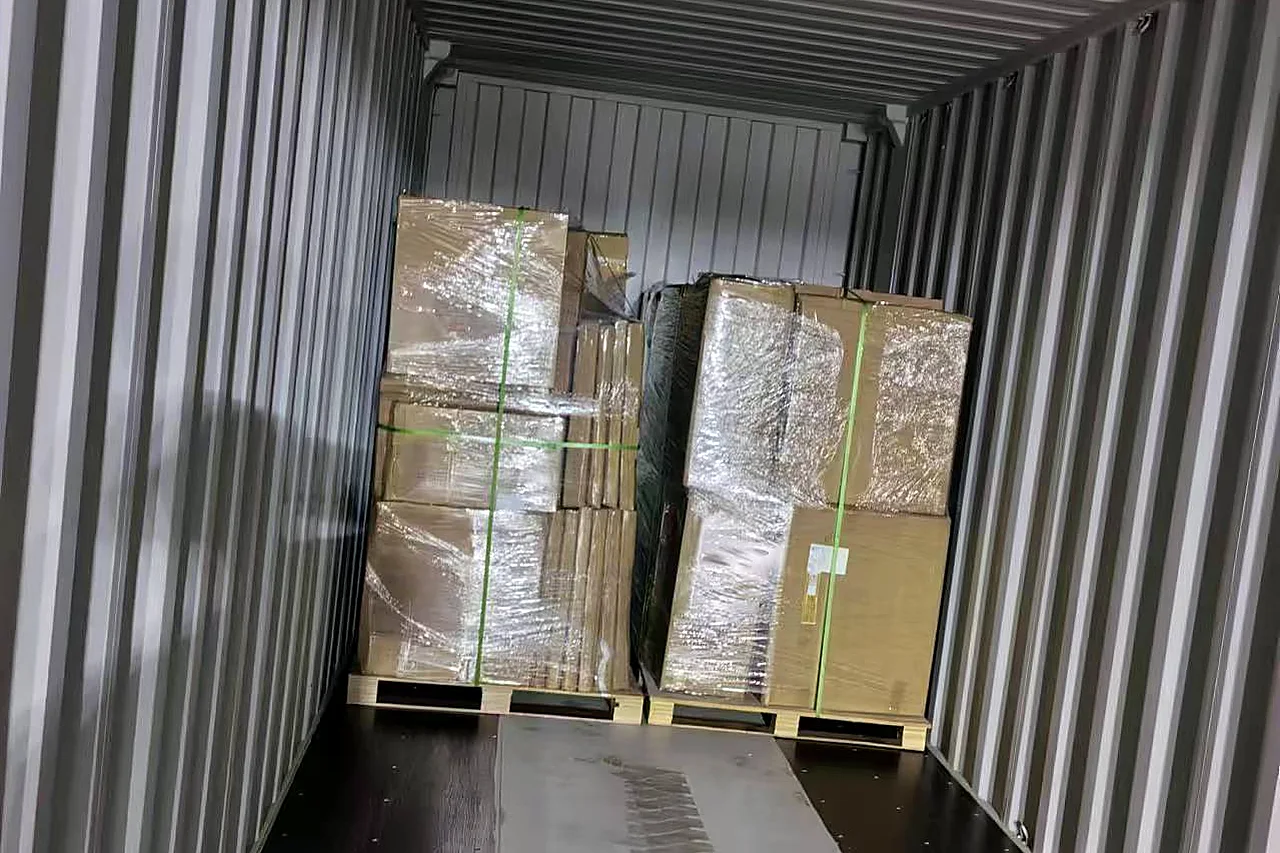
What to do in the next two weeks.
- Get the classification in writing from your broker - on the cabinet and on any parts that ship separately. Everything else is calculated on the value for duty of the goods as classified.
- Put the origin paperwork in order. Proof of origin may be requested at any time, and every exemption in the Order turns on origin rather than on the shipper's address.
- Rebuild the landed cost with the safeguard as its own line. Value for duty, base duty, 25% safeguard, GST on the total, brokerage, delivery. Then divide by linear feet.
- Ask for the packing list before the container closes. A cube shortfall is paid for in full whether or not the container is full, and the safeguard multiplies whatever value is declared.
- Check the relief and drawback routes with your broker if the goods are for a project that re-exports or is re-sold under CUSMA provisions.
The market page for Canadian buyers, including what we quote DDP and how the file is assembled: import kitchen cabinets to Canada. The Canadian surtax is one of the three borders in the US, Canada and Australia import comparison - the US four layers and the Australian duty-GST-biosecurity stack, worked against it in one table.
FAQ
The cabinet surtax, asked straight.
Is the surtax a ban on cabinet imports?
Does the surtax apply to flat-pack or ready-to-assemble cabinets?
Do parts and subassemblies count?
What paperwork changes on the entry?
Which origins are exempt?
How do I keep the landed cost honest while the surtax is on?
Ask for the artifact, not the assurance.
Send the province and the scope and we will return the landed cost with the safeguard, the duties and the delivery leg as separate lines.
Before you keep reading: a painted sample door ships with your first quote, and there is no minimum at the sample stage - or run the cost calculator with your wall lengths before you send the plan.
Keep reading.
The 2026 duty stack on imported cabinets
Section 232, Section 301 and AD/CVD on one entered value - the US side of the same discipline.
Importing & compliance
The hub: duty stacks, formaldehyde standards, DDP vs FOB, and the documents that travel with a container.
What the surtax does to a project total, province by province, is worked through on the Canada cabinet cost calculator - including the 10-point spread between the lowest and highest taxing province.