Home / Compare
Compare & decide
The comparisons buyers ask for first.
Four decisions sit behind every cabinet order. Each page is a straight side-by-side - cost, lead time and risk - with the numbers we actually quote, and an honest look at where the other side wins.
The four comparisons
Pick the decision in front of you.
They map to four different questions: what to build, where to build it, how to pay for the part after the port, and how it crosses the ocean. Start with the one your project is actually stuck on.
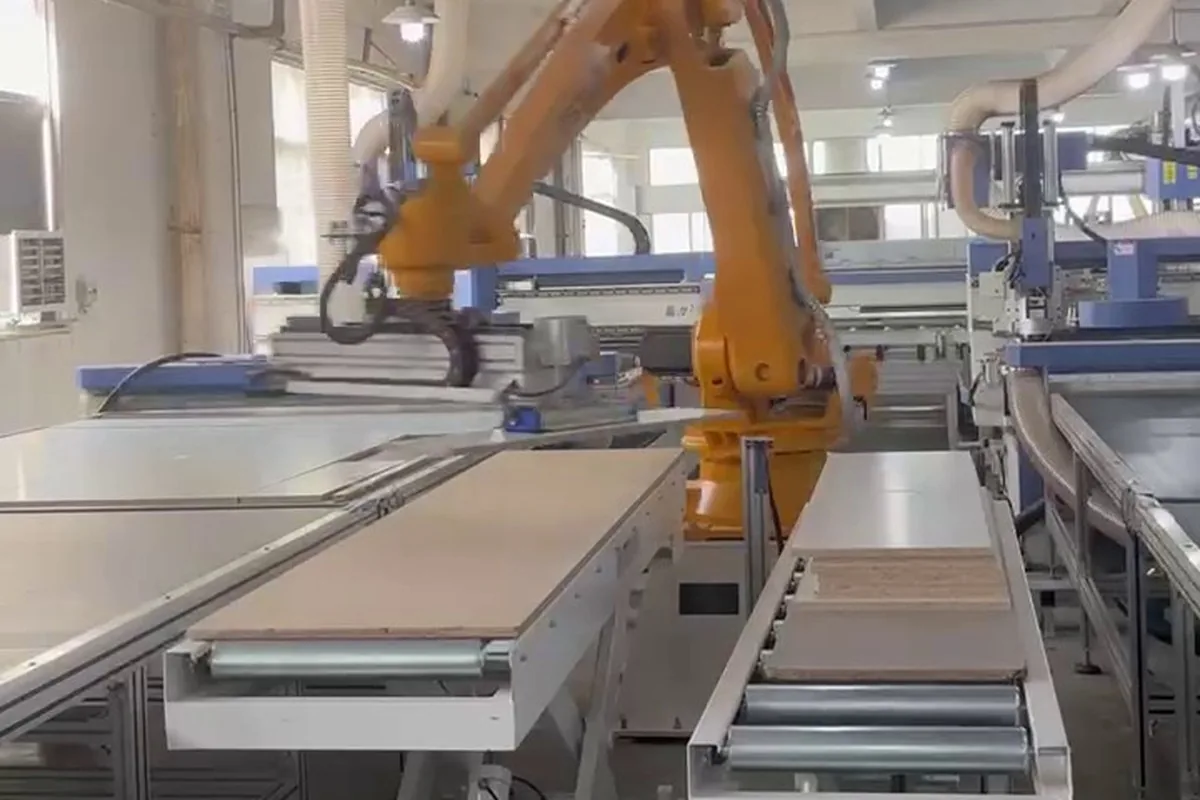
Custom vs. RTA
Not a quality tier - a fit decision. What each format costs, and where a standard grid stops reaching.
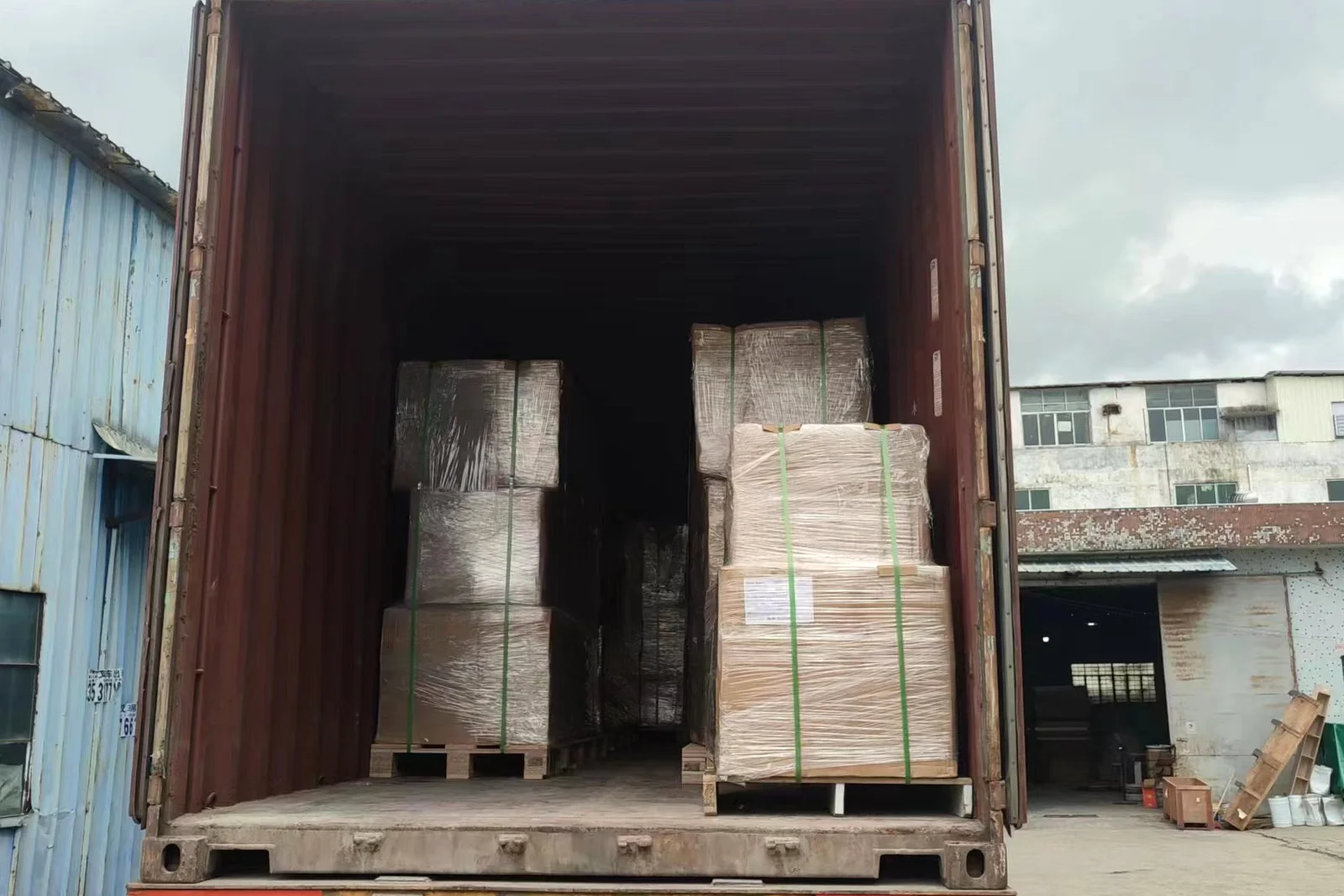
Imported vs. domestic
The landed number, not the sticker - where the savings stay and where they quietly disappear.

DDP vs. FOB
Who pays freight, duty and clearance. The trade term on the quote decides who carries the risk.
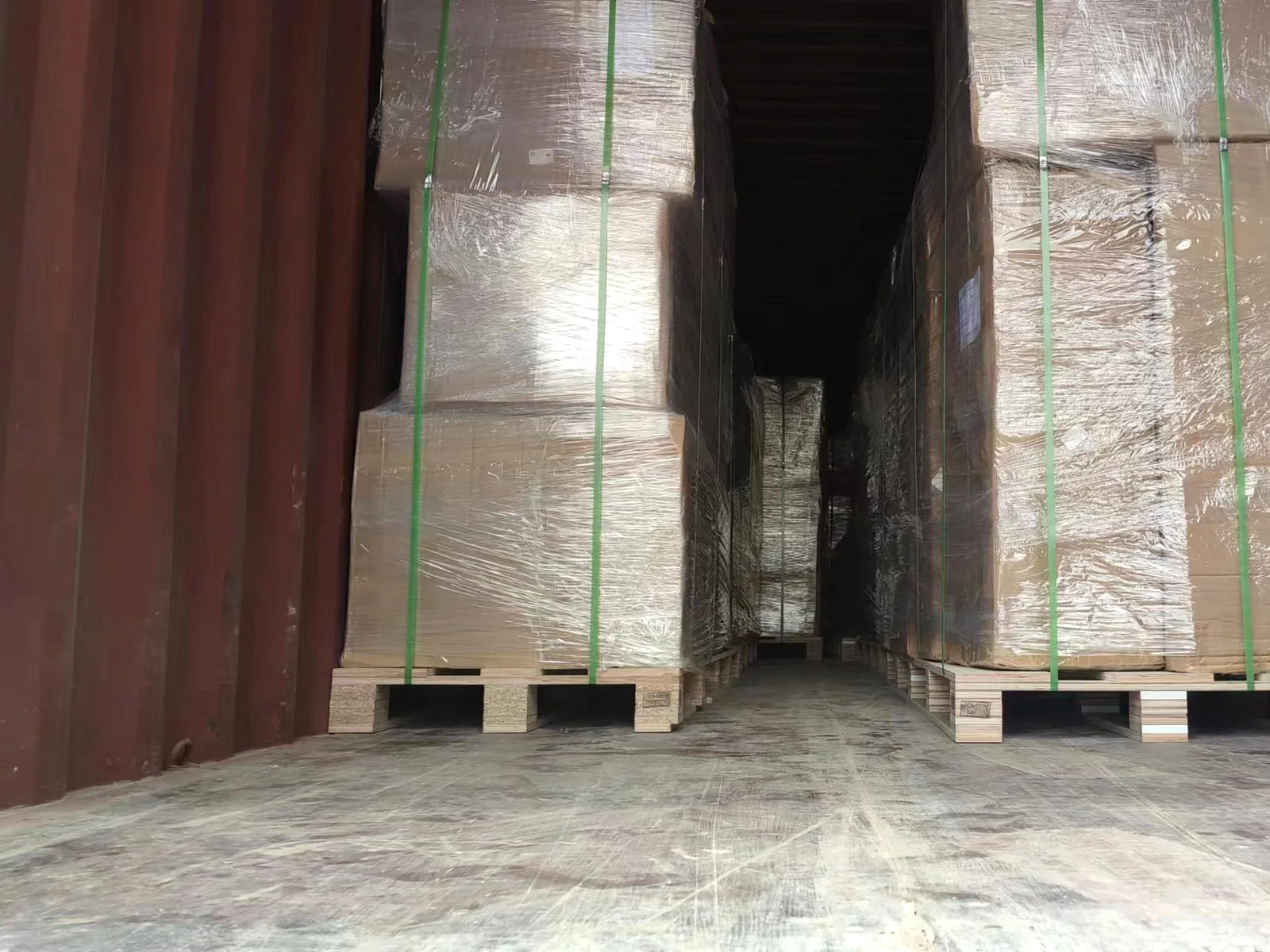
Flat-pack vs. assembled
How many fit in a container, and what that does to freight, damage and your install day.
Cabinet cost calculator
Estimate your run by linear foot and build tier - instant, with the market numbers behind it.
All four at once
The four decisions, side by side.
Each row is the same shape: what the decision actually changes, and the sentence we will put in writing when you order. None of them is a quality tier - they are four different questions about the same cabinet.
| Decision | What it actually changes | What we commit to in writing |
|---|---|---|
| Custom vs RTA | Whether the box fits your wall, or the wall is closed with a filler | Widths cut to the millimetre; the standard ladder runs 9 to 48 inches in 3-inch steps |
| Imported vs domestic | The landed number, not the sticker - where the saving stays and where it disappears | Quoted per linear foot, duty-paid, against your final drawing |
| DDP vs FOB | Who carries freight, duty and clearance, and who carries the risk after the port | The trade term named on the quote, with the border it lands on |
| Flat-pack vs assembled | How many units fit a container, and what that does to freight, damage risk and install day | Numbered flat-pack, crate plan issued with the packing list |
Material and construction
Three more comparisons, further up the build.
The four above are about the order. These three are about the cabinet itself - what the box is made of, how the doors sit on it, and what the front is faced with.
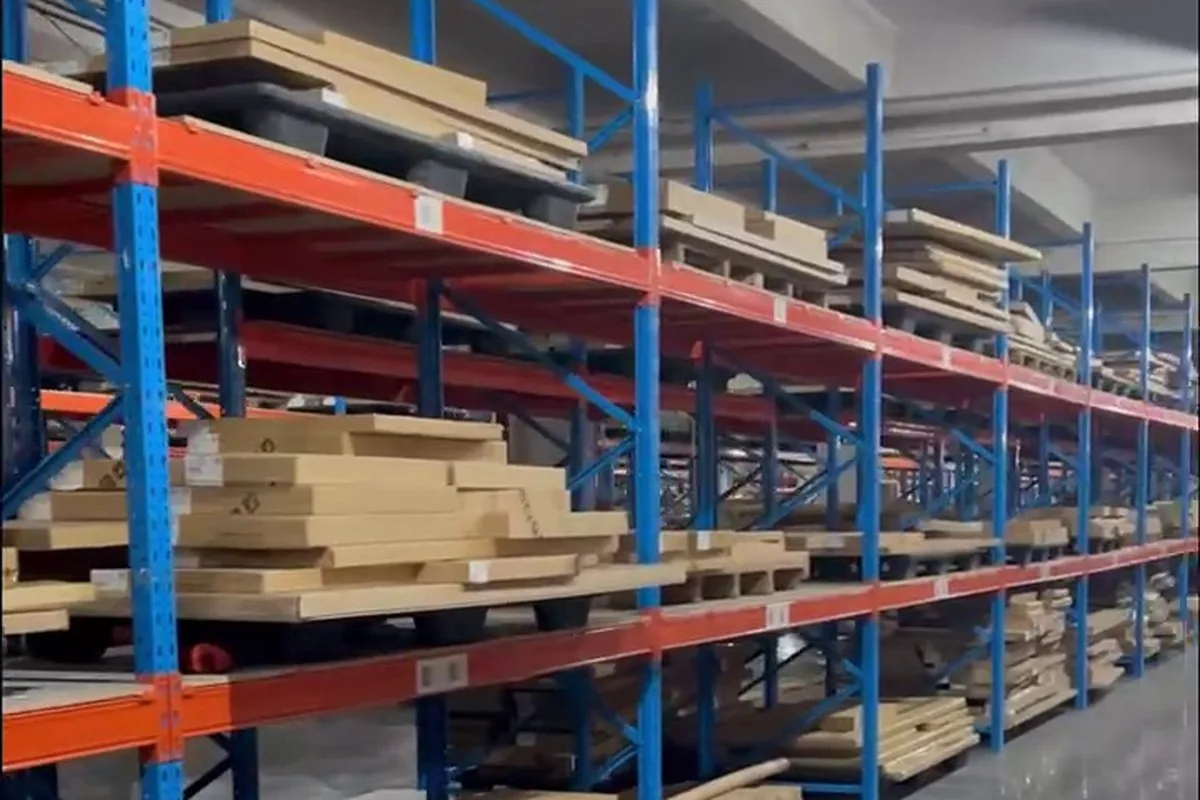
Plywood vs MDF
What the box decides - screw holding, water behaviour, weight, and why the two are not interchangeable in a wet room.
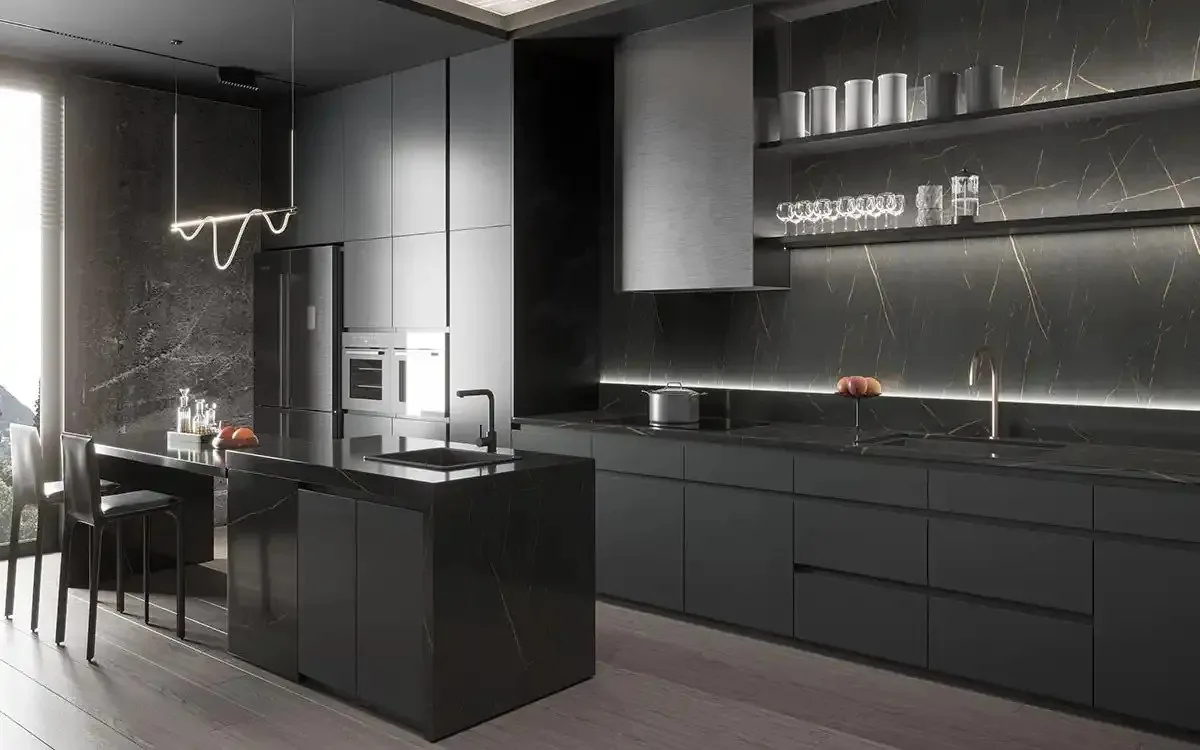
Frameless, face-frame, inset
A 1-2 mm reveal versus a visible one - and why the construction decides the fitting labour.
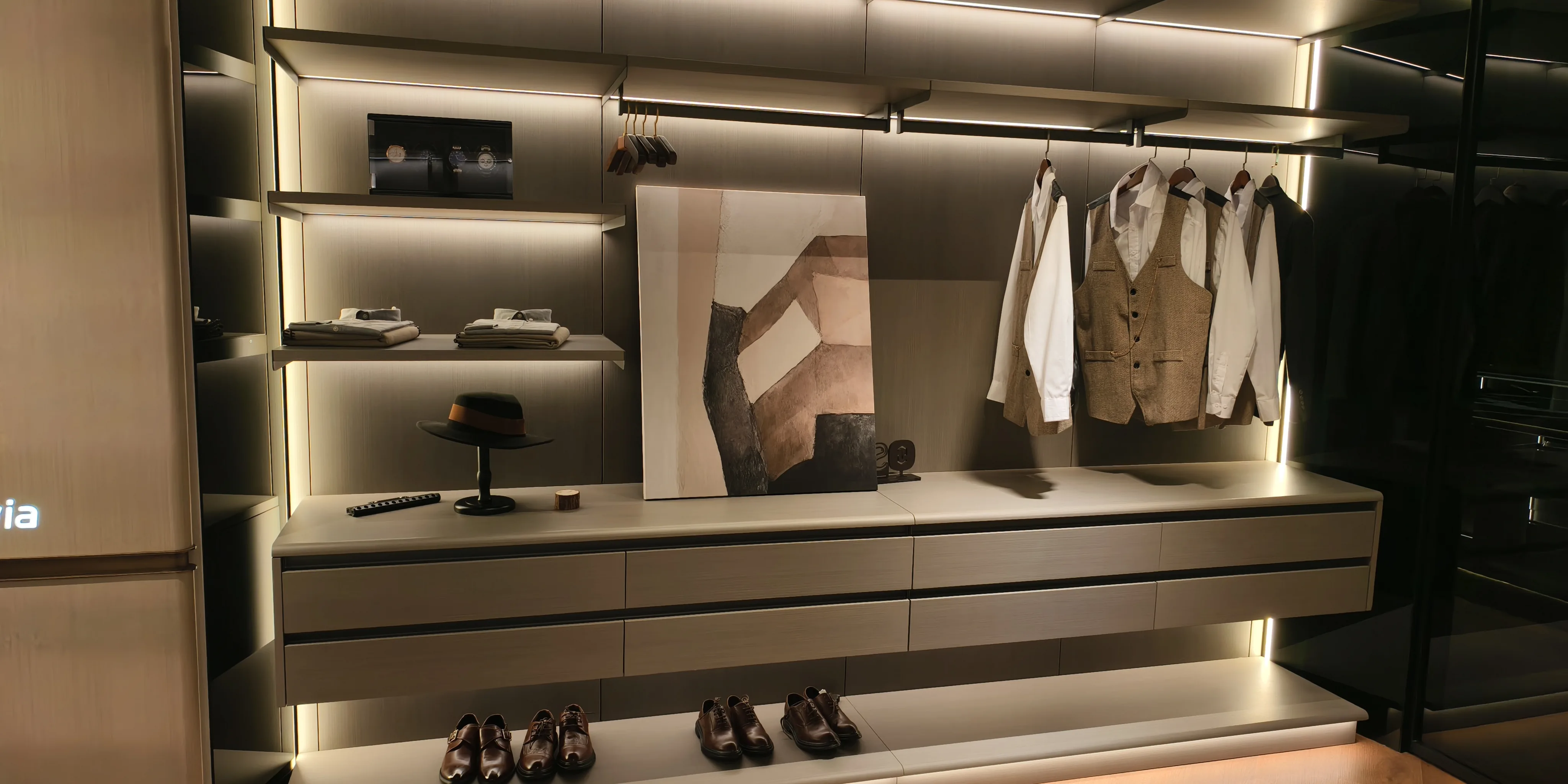
Melamine, plywood or veneer
Three front materials for the same closet carcass, and what each one does to a shelf that carries weight.
The same question asked about wardrobes rather than kitchens: imported vs domestic closets. And once the material is settled, the twenty things you can still change on it are on the cabinet options page.
How to read these
Built to be compared, not sold.
Each page names where the other option genuinely wins, and uses the same numbers we put on a quote - per-linear-foot pricing, 10-14 days of production, 18-40 days door-to-site. If a number matters to your decision and we have not committed to it in writing, we will say so. That is more useful than a comparison that only praises one side.
When you have the plan in hand, the fastest path is to skip the reading and send it - the quote returns with the 3D layout and the per-foot number within one business day, and tells you which side of each of these lines your room sits on.
FAQ
The comparisons, asked straight.
Which of the four decisions should I make first?
Do the comparison pages publish prices?
Is DDP always the better term?
Does flat-pack mean I assemble the cabinets myself?
Can I mix formats or constructions in one order?
What should I send to get all four answered at once?
Answer all four with one plan.
Send the floor plan and your site. The quote comes back with the layout, the landed number, the trade term and the ship format - the four decisions, resolved in one message.