The duty stack in one table
Every layer below is calculated on the same entered value, not on top of each other. And every rate carries the date it was checked - duty rates are dated facts, not constants.
| Layer | What it is | Level, as checked | Checked |
|---|---|---|---|
| Base duty | MFN rate on the HTS subheading you declare | Confirm with your broker on the code and the material | Per entry |
| Section 232 | Wood products: finished wooden kitchen cabinets, vanities and their parts | 25%; the scheduled step to 50% was deferred for a year | Oct 2026 |
| Section 301 | China list duty (List 3) on the cabinet subheadings | 25%, in force since 10 May 2019 | Oct 2026 |
| Section 301 (forced labour) | July 2026 tranche on Chinese goods - exempt for cabinets under U.S. note 52(f)(4) to Chapter 99 | 0% | Oct 2026 |
| AD / CVD | Anti-dumping and countervailing orders on Chinese wooden cabinets and vanities - assessed by exporter | Separate-rate exporters ≈19.5% combined; China-wide AD 251.64% | Apr 2026 |
The worked version - one 40HQ, two exporters, the same box - is in the landed-cost guide.
The compliance file: five documents before the first container
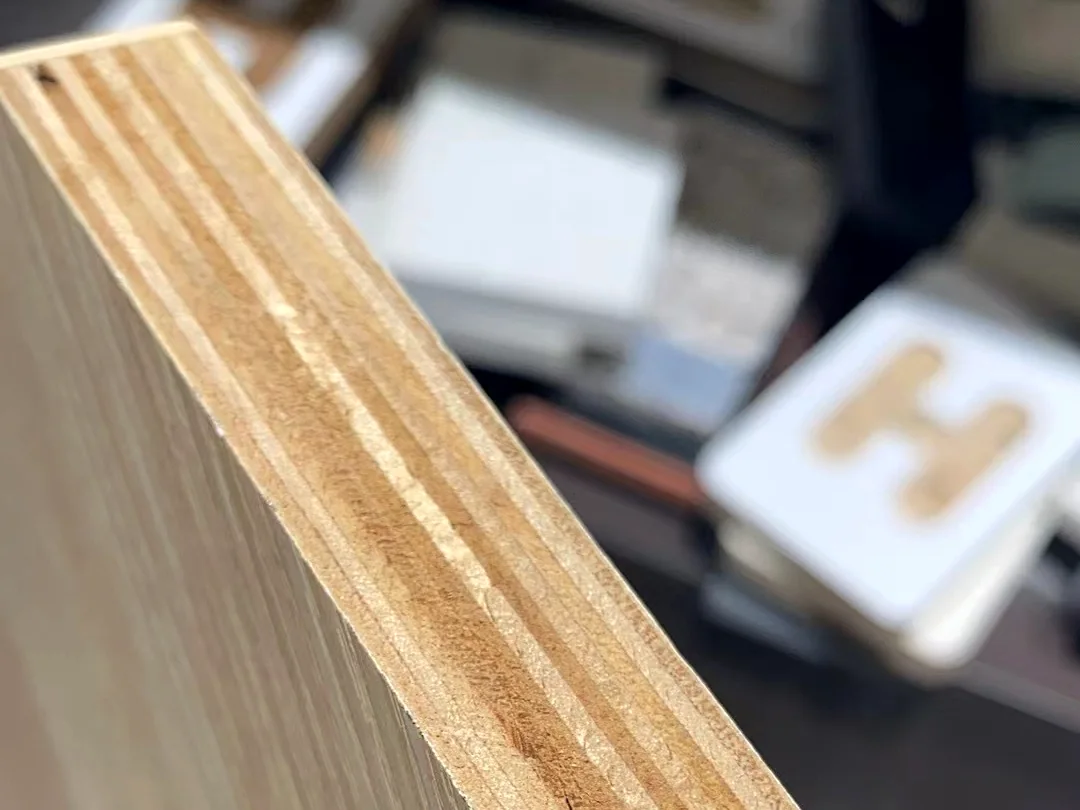
- Formaldehyde report number and expiry. Ours is 18mm E0 plywood at or under 0.05 mg/m³ (GB/T 39600, report SQ2405393); the letter system is explained in the formaldehyde guide.
- HS classification, confirmed in writing by your broker - on the cabinet and on any parts shipped separately. Classification decides everything above it.
- Country-of-origin declaration for the goods as shipped, matching the invoice and the packing list.
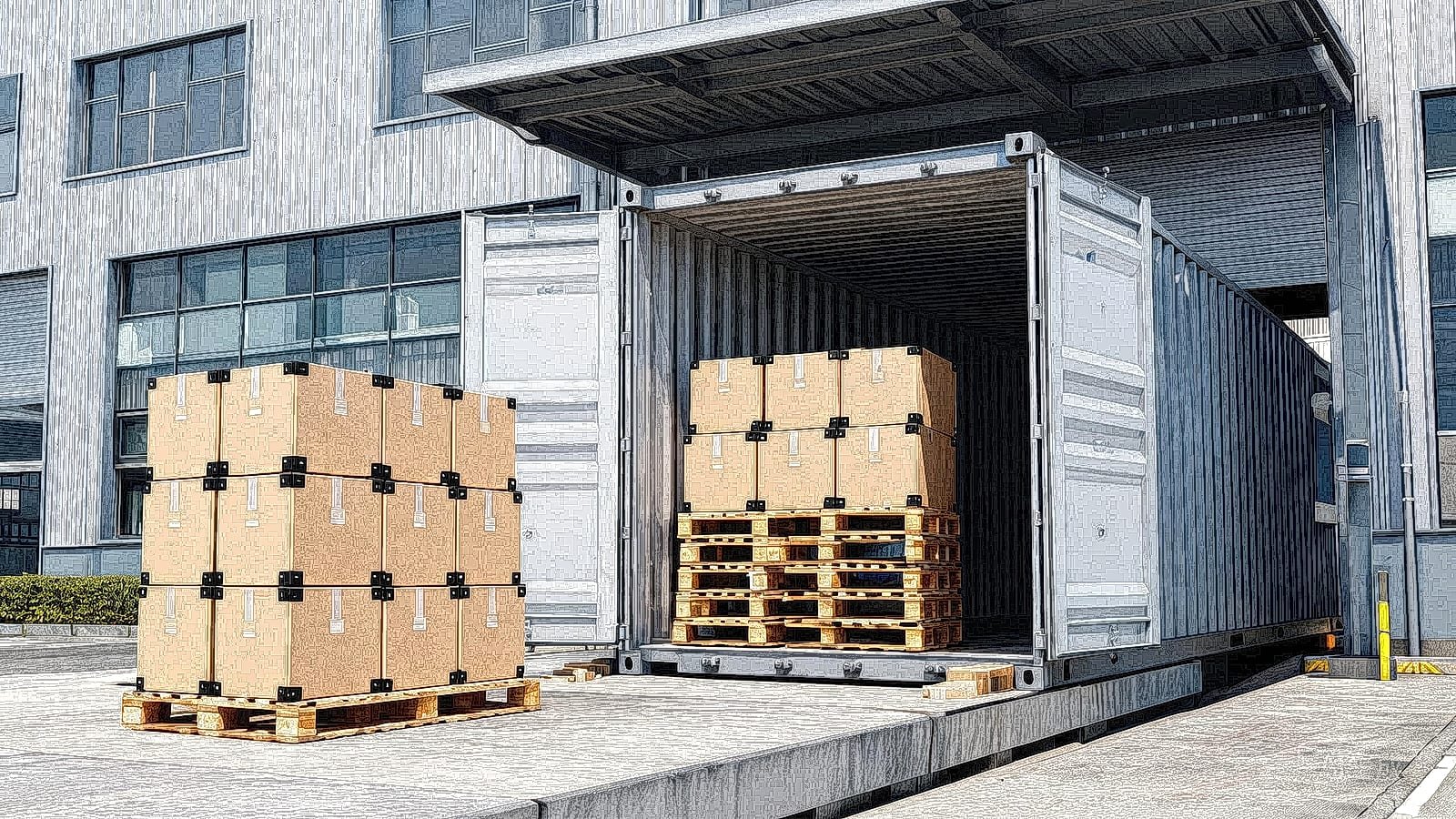
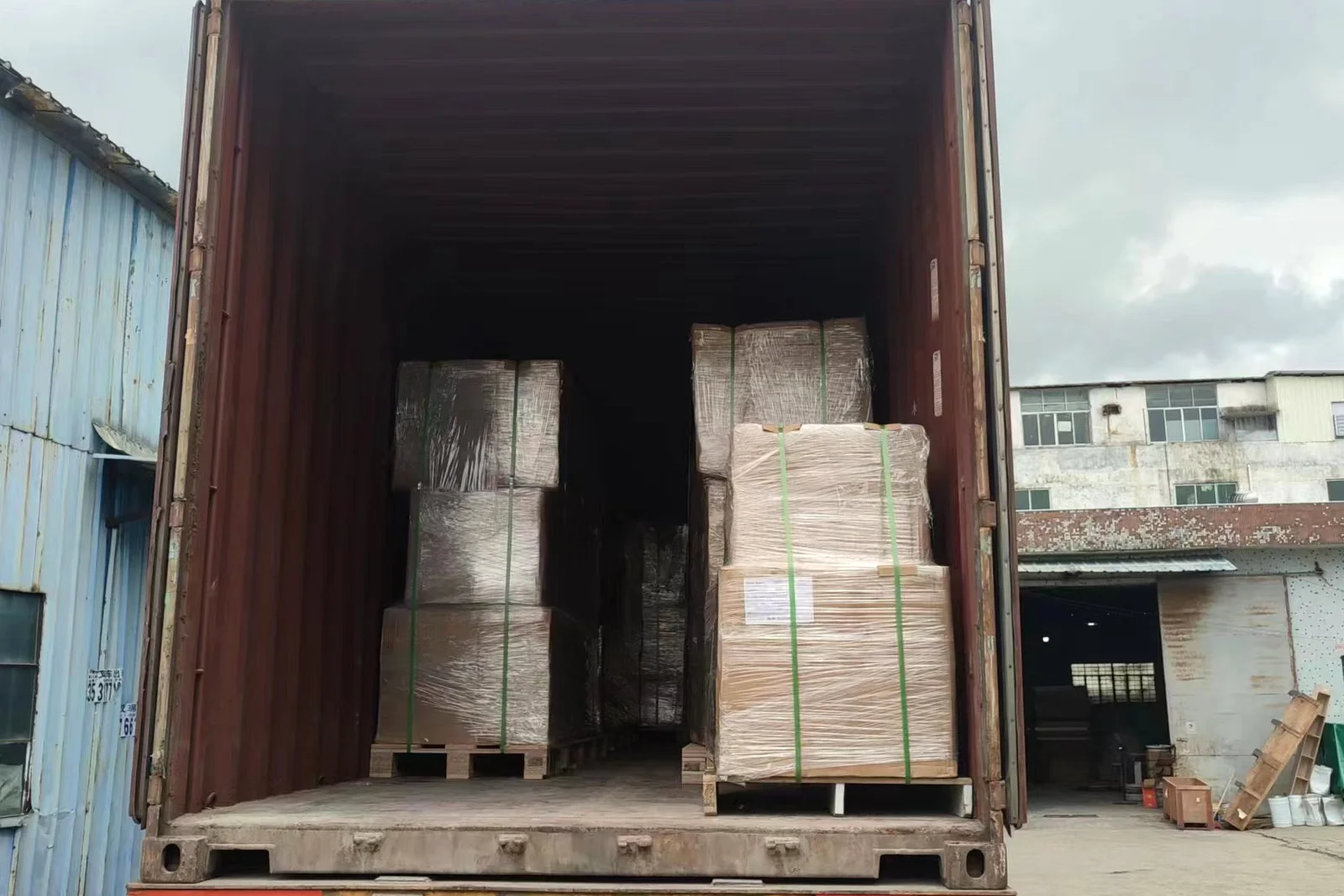
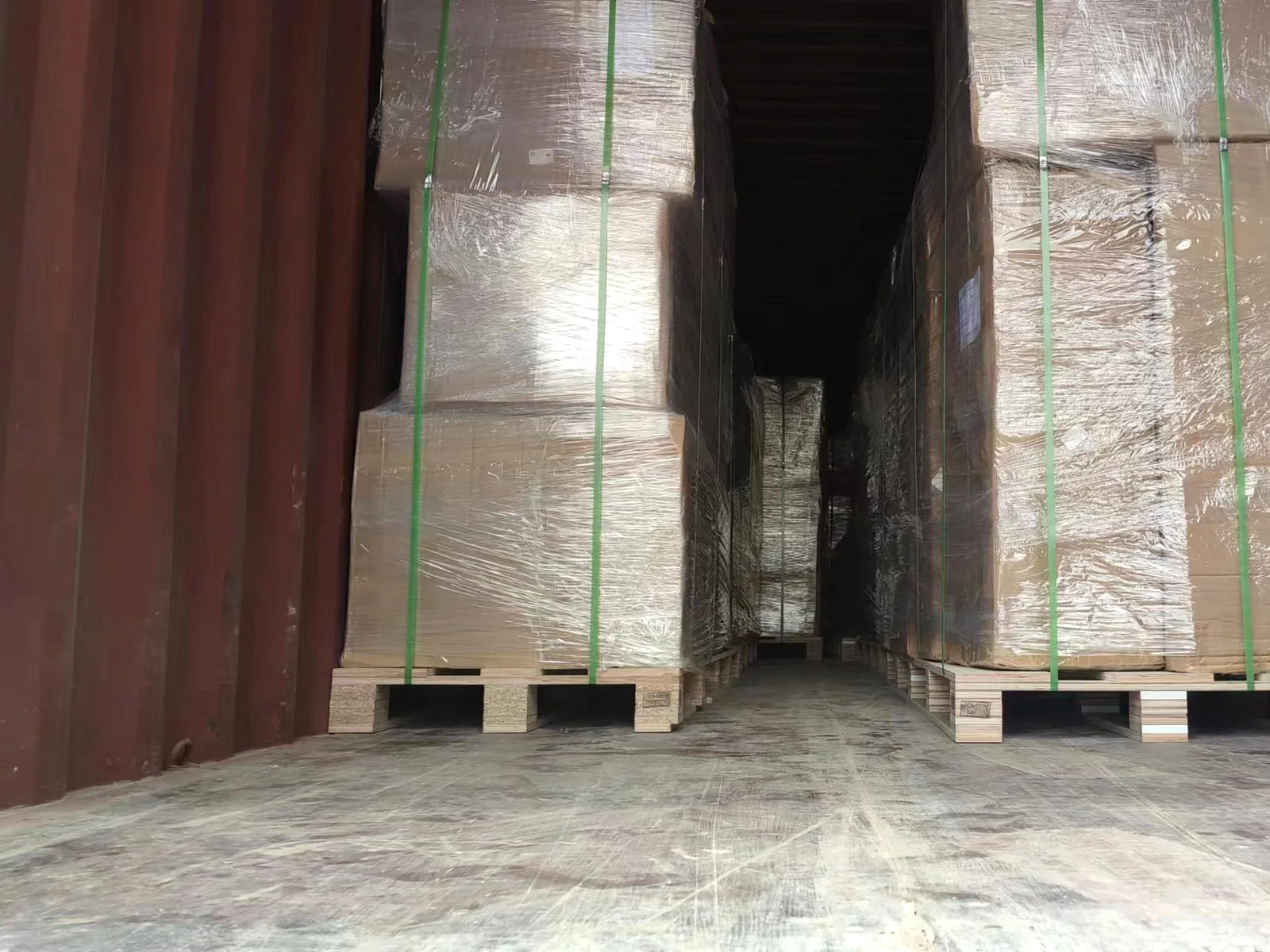
- The packing list - for the broker, and for your own cube arithmetic. A container that arrives 8% short of a full load has still been paid for in full.
- Your exporter's AD/CVD cash-deposit rates in writing, before the purchase order.
Where first containers usually go wrong
Most first imports don't fail on price - the duty stack above is the part buyers can control best. They fail on five points, and every one of them has a fix that costs nothing if it lands before the purchase order:
- Spec drift between quotation and production. The board grade, edge banding or hardware changes because the quote named a class - "E1 plywood", "soft-close" - instead of a model number. A version-numbered frozen spec sheet closes the hole; the template is in the frozen-spec guide.
- Duty calculated without the exporter's own rate. AD/CVD is assessed per exporter, and the China-wide rate can sit an order of magnitude above a separate rate. The number you budgeted with and the number on the entry must come from the same document; the landed-cost guide works it through for one 40HQ.
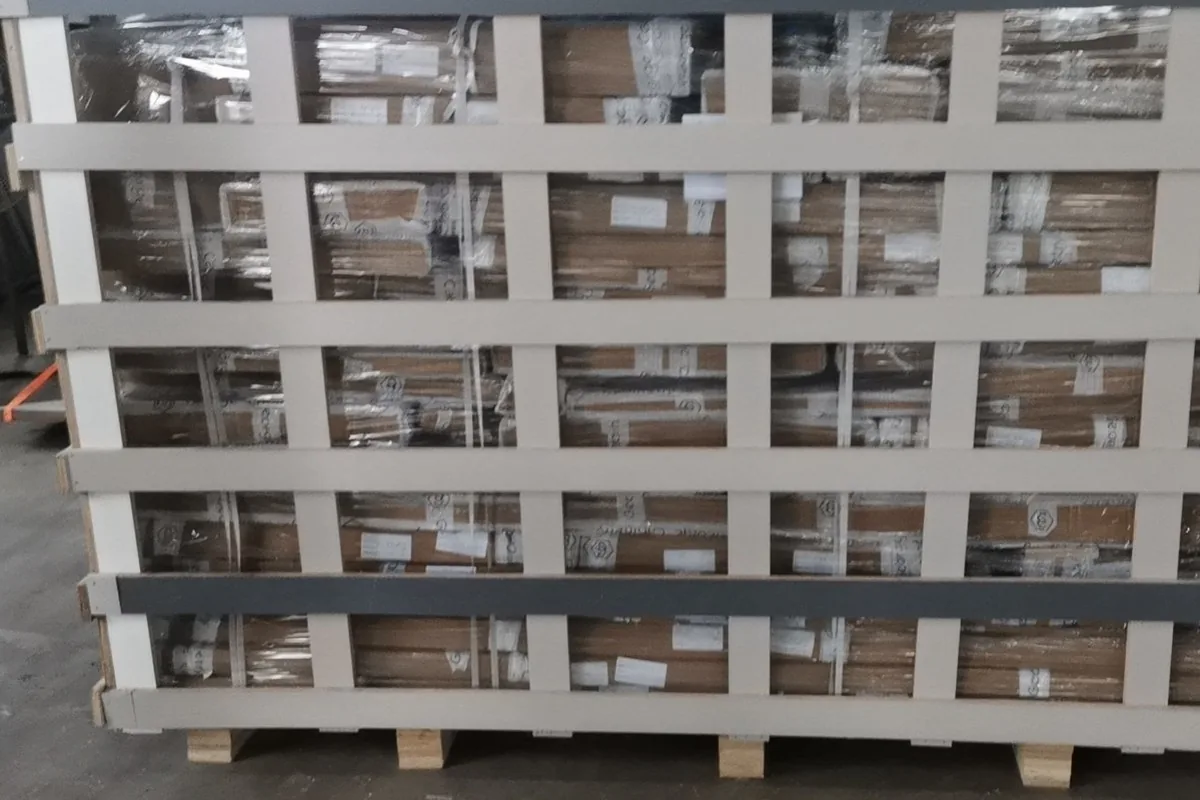
- Loading without a photo gate. A defect photographed at the destination is a dispute; the same defect photographed before the doors close is a claim. The 24 / 48 / 72-hour schedule is in the container-loading guide.
- Flat-pack vs assembled decided on freight alone. Freight is the smallest of the three terms - cube utilisation, damage exposure and port handling all move with the decision. The full comparison is in the flat-pack guide.
- Documents that arrive with the container instead of before it. Classification, origin and rate letters that land at the port turn days of clearance into weeks of demurrage. The five-document list above is the pre-flight check.
None of these require visiting the factory. They require one written spec, one written rate and photographs on a schedule - the three documents a first importer can demand before any money moves.
Which to read first
| If you are… | Start with |
|---|---|
| Ready to place a first container | The landed-cost guide, then the five documents above |
| Still quoting, choosing between DDP and FOB | Importing to the US - the process end to end |
| Comparing flat-pack against assembled | Flat-pack vs assembled - what the difference costs in freight and labour |
| Answering an air-quality or spec question | E1, E0, ENF and CARB P2 |
| Buying for a specific market | The market pages: United States · Australia · Africa · Canada · United Kingdom · Saudi Arabia |
| Buying from a supplier you have not visited | The sourcing and QC series - the document set that holds |
| Comparing China against a Vietnam-origin quote | Importing from Vietnam - where the duty lines actually differ |
FAQ
What does it actually cost to import cabinets into the US in 2026?
Four layers, each calculated on the same entered value: the base tariff rate on the cabinet code, Section 232 on wooden cabinets and their parts (25% while the scheduled step to 50% is deferred), Section 301 China list duty at 25% (the July 2026 forced-labour tranche is exempt for cabinets), and AD/CVD assessed by exporter - a separate-rate exporter lands near 19.5% combined, while the China-wide anti-dumping rate is 251.64%. The per-foot duty-paid quote carries the whole stack; the worked 40HQ table is in the landed-cost guide.
Which documents do I need before the first container?
Five: a formaldehyde report number with its expiry, the HS classification confirmed in writing by your customs broker, a country-of-origin declaration, the packing list (for the broker and your own cube arithmetic), and your exporter's AD/CVD cash-deposit rates in writing.
Why do I have to check AD/CVD rates per exporter?
Because anti-dumping and countervailing duties are assessed company by company, not per product. Two factories can build identical cabinets and carry very different duty: one has its own reviewed rate, another falls into the separate-rate pool, and a factory that did not cooperate sits at the China-wide rate. Get the number in writing before the purchase order, not at the port.
Is the Section 232 rate permanent?
It is a proclamation-based measure, so treat the rate as a dated fact rather than a constant. The current level is 25% on wooden cabinets and their parts, with the scheduled increase deferred for a year - every figure in this series carries the date it was checked, and the landed-cost guide is the one to re-read before each entry.
What changes at the Canadian and Australian borders?
The method transfers, the agencies and rates do not: Canada runs CBSA clearance, CUSMA origin rules and its own formaldehyde regime; Australia adds biosecurity treatment and GST at the border. Both are covered in the three-border comparison guide, and it follows the same structure as this one.