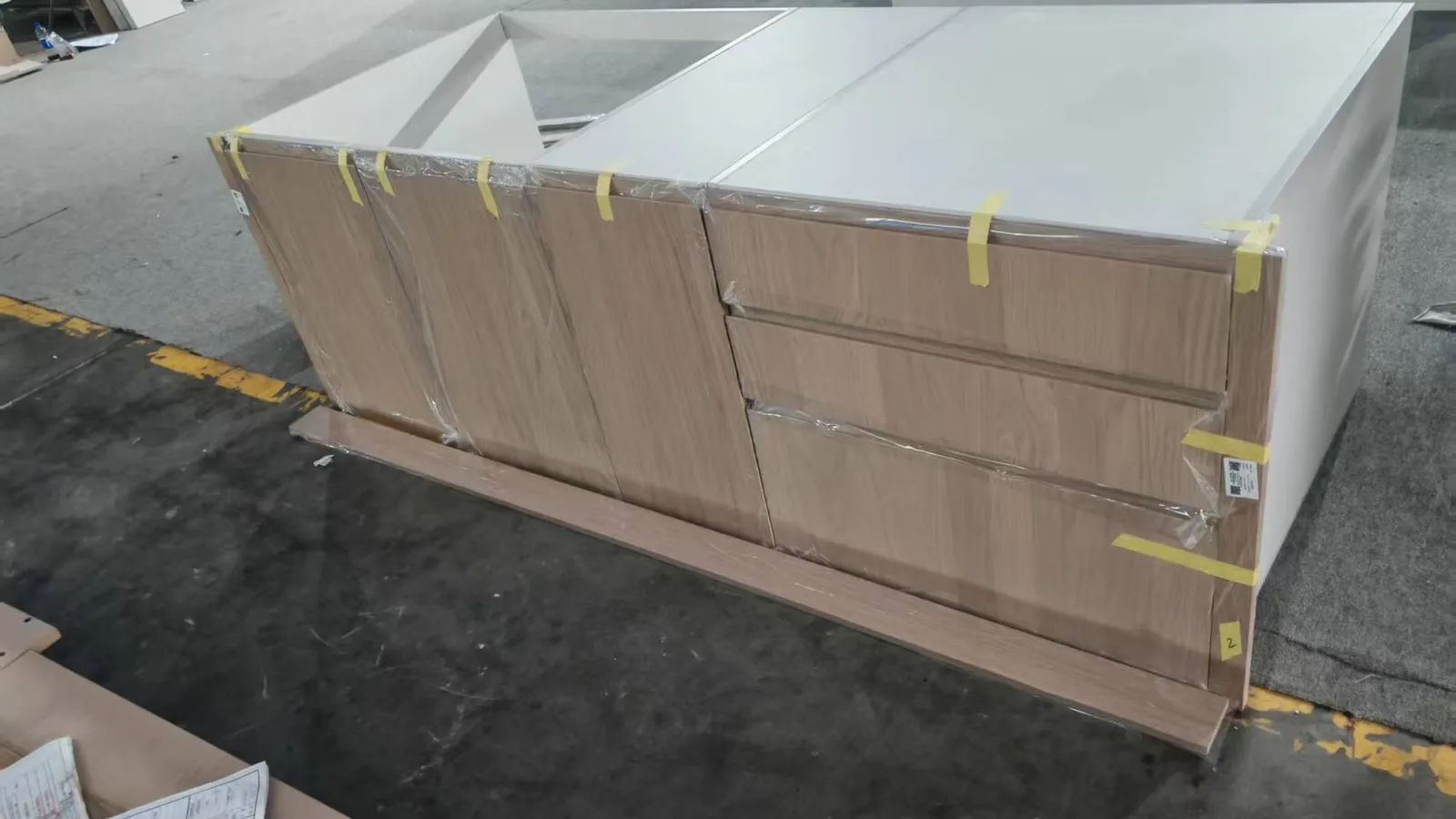
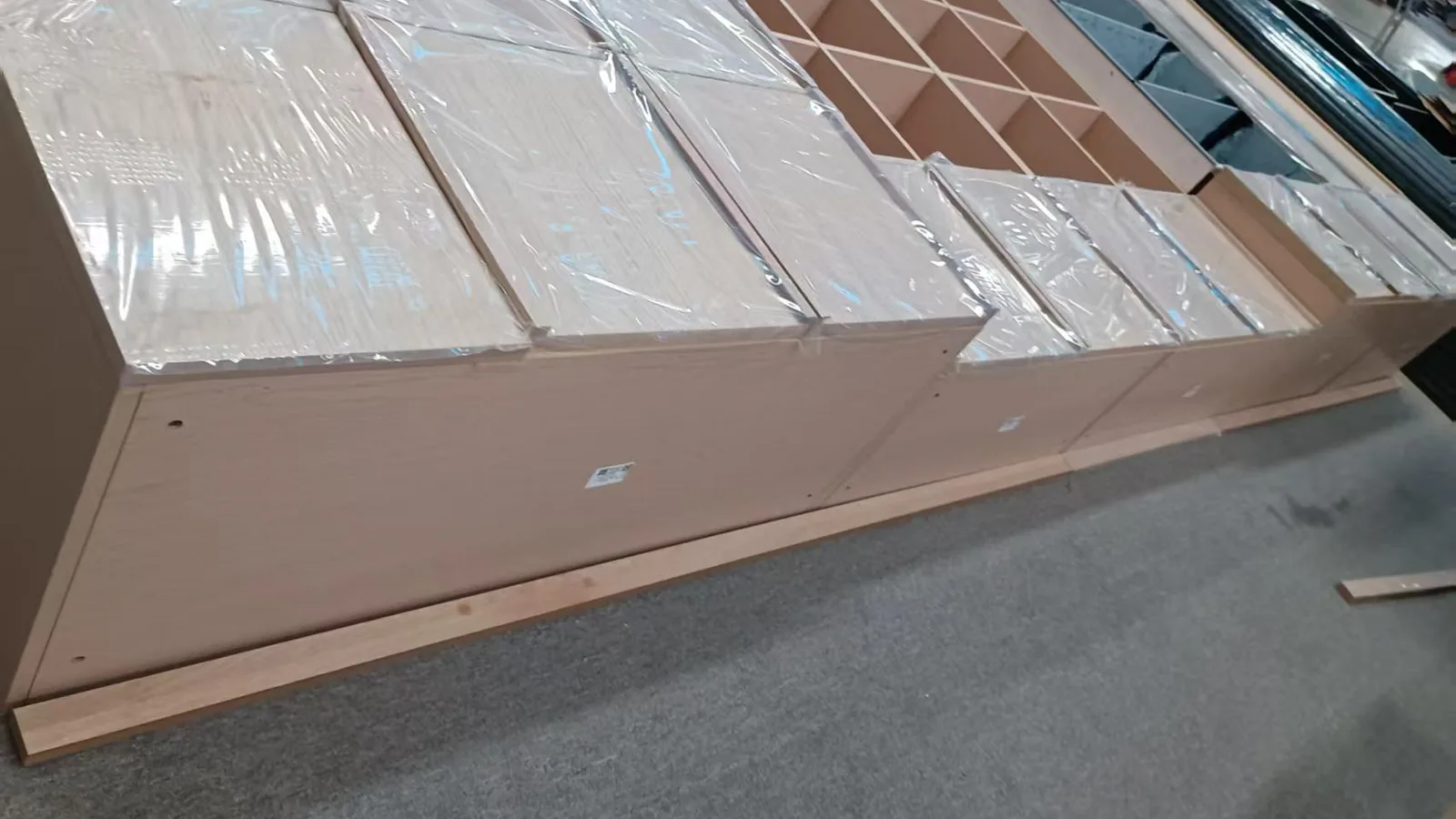
One tariff, six administering authorities.
The Gulf runs a customs union. There is a single external tariff, a shared common customs law, and one set of rules about what counts as GCC origin - and then six customs authorities, each running its own registration, its own documents and its own single window. Saudi customs, UAE customs, Qatar, Kuwait, Bahrain and Oman are administratively separate even though the tariff is shared.
Two practical consequences. First, duty is paid once at the first port of entry into the bloc, and the goods then circulate between member states without a second charge. That is the whole point of the union for a regional distributor, and it is why a warehouse placed in the right free zone changes the cost of serving the region rather than just the cost of storing the goods. Second, the paperwork is not shared even when the rate is. A process that runs smoothly through one authority will not look identical through the next one, and that is the part people learn expensively.
One more thing about free zones, because it is the most commonly misunderstood piece of Gulf logistics: goods inside a free zone are in duty suspension, not duty-free. The moment they leave the zone for the local market, duty becomes payable, and the goods are treated as foreign goods entering the customs union for the first time. Transshipment out of the bloc is a different matter again and attracts no duty at all.
For a China-origin order there is no preferential rate to claim. A certificate of origin is still part of the document set the broker works from, and the attestation on it has to be the one they need - which is a detail to check in China, not at the port.
The conformity file: two certificates, and a clock.
Where a SASO technical regulation applies to the product, the shipment needs a Product Certificate of Conformity, which registers the model and stays valid for a year, and a Shipment Certificate of Conformity, issued per consignment and required at the point of clearance. Both rest on test reports from an accredited laboratory. A consignment presented without a valid shipment certificate is not released, and the record is verified electronically rather than eyeballed.
Whether a given cabinet run falls under a technical regulation is decided by the commodity code, not by the product name and not by the importer's confidence. That is a question for an accredited conformity assessment body, and the answer needs to arrive before the vessel sails rather than while it is on the water.
The timing is the part that catches people out. Registration and testing have to happen while the goods are still being produced - the sample has to exist, the lab has to have it, and the model on the certificate has to be the model in the container. That is why the conformity conversation belongs at quotation stage, next to the finish and the hardware, and not in the last week before loading. The wooden packaging has its own rules and its own file, which is covered in the export packaging guide.
Arabic labelling and origin marking.
For regulated consumer products the label is mandatory and it is checked. It has to carry the product name and its composition, the country of origin, the importer's name and address, instructions for use and safety warnings, at specified minimum text sizes. The country of origin marking has to be permanent as well - not a sticker that comes off in a hot container.
The operational point is simple and it saves real money: produce the label and the manual with the goods, in China, as part of the manufacturing package. Relabelling after arrival is slow, it is expensive, and it is the kind of job that happens in the week the site is waiting for the kitchen. It also means the label has to be a controlled document with a version number, because an Arabic label that does not match the model on the conformity certificate is its own problem.
Who files the entry.
This is the question that decides whether a delivered-duty-paid quote to Saudi Arabia is even possible, and it is worth settling before anything else. Commercial declarations are filed on the national single window by a party holding Saudi commercial registration, in practice through a licensed customs broker. A company with no Saudi entity cannot file on its own account.
So an order from Foshan into Saudi Arabia needs an importer of record that is licensed to do so, or a distributor that imports under its own registration. If the buyer in Riyadh already is that party, this is a formality. If the buyer is a project office with no import registration, then somebody has to be appointed before the commercial terms are signed - and the cost of that appointment belongs in the landed number, not discovered at the port.
Two smaller items in the same file. The customs declaration is filed on the single window with the documents attached, at least 48 hours before arrival, and payment of duty and VAT runs through the authority's own platform. There is also an import service fee levied as a small percentage of the declared value, which is small but real, and which is the kind of line that gets left out of a spreadsheet and then noticed.
The calendar that actually moves the container.
Three things move a Gulf shipment that have nothing to do with the cabinets. The weeks around Hajj put heavy pressure on the port, on the roads to the holy cities and on inland transport capacity, and that pressure reaches shipments that have nothing to do with the pilgrimage. Ramadan shortens working hours and slows approvals, and the Saudi public holidays and weekend fall on different days from China's. None of these are reasons not to ship - they are reasons to build them into the production and booking schedule rather than discover them while chasing a delayed container.
And the other two are already covered in depth: the cost, the lead time and what the heat does to a cabinet run are in importing kitchen cabinets to Saudi Arabia, and what happens to the boxes on the way is in the transit damage guide.
Programs a Saudi order runs on.
A whole-villa program is the shape that works here: kitchen, wardrobes, vanities and the laundry rooms on one spec sheet, one finish batch and one shipment, because a villa fit-out in the Gulf is a single delivery date rather than a series of trades. A hotel fit-out runs on repeat room types instead, which is a different discipline - the schedule has to be fixed before production so the room-by-room count holds and the finishes match across every unit. Both are documented in the project pages, and the method behind the repeat-unit case is in standardising a spec across many units.