
The compliance file: five documents, both borders
Same five documents, two regulators. The US file answers your broker; the Canadian file answers CBSA - and the formaldehyde line has to be current in both.
- Formaldehyde report number and expiry. Ours is 18mm E0 plywood at or under 0.05 mg/m3 (GB/T 39600, report SQ2405393). Canada's emission limits sit in SOR/2021-148; the US letter system - E1, E0, ENF, CARB P2 - is explained in the formaldehyde guide.
- HS classification, confirmed in writing. Your broker names the code on the cabinet and on any parts that ship separately. Classification decides which base rate applies and which Section 232 line, if any, touches the entry; in Canada the tariff item decides the safeguard's reach as well.
- Country-of-origin declaration matching the invoice and the packing list - in Canada this is also the document any free-trade claim is tested against.
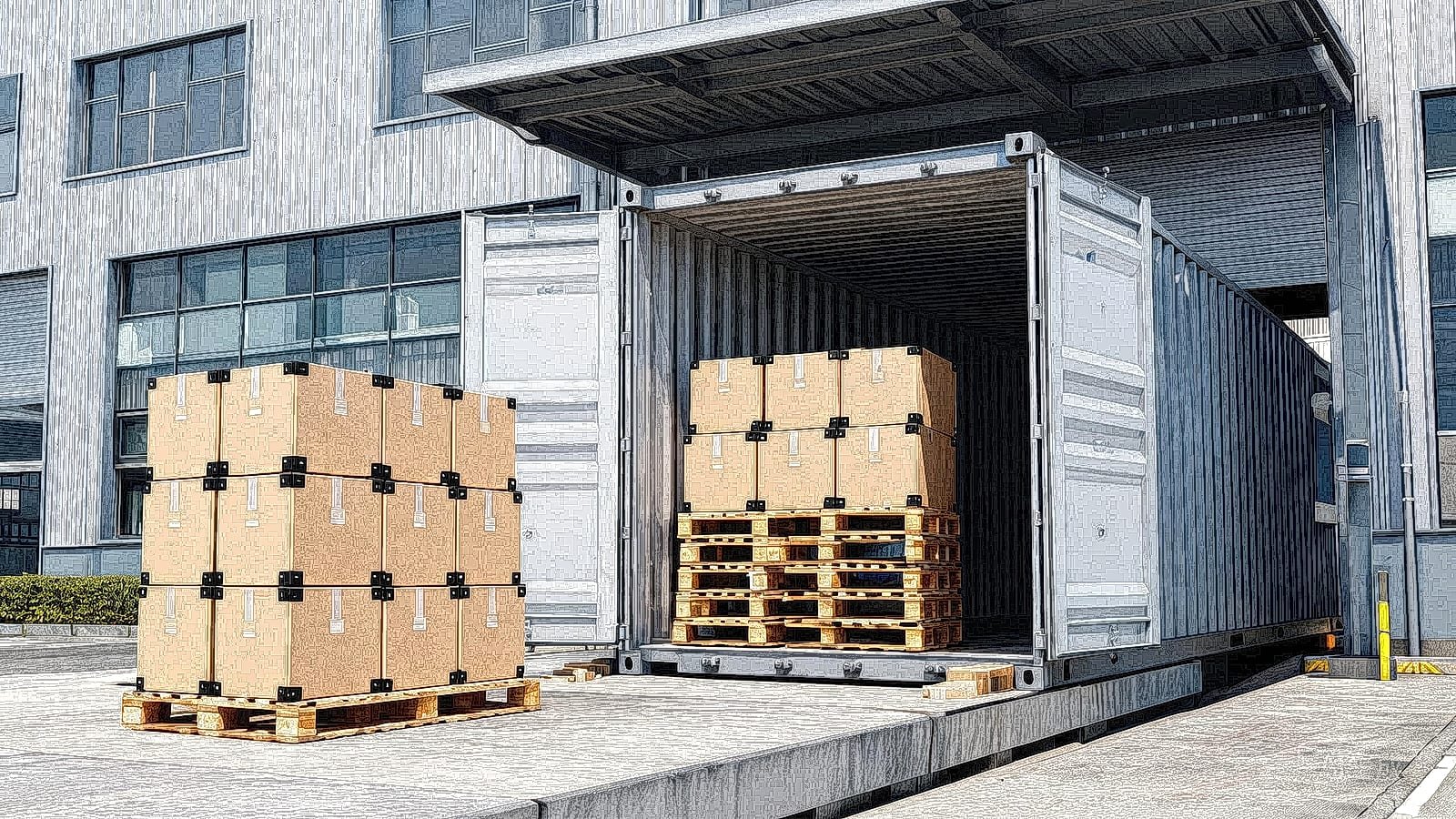
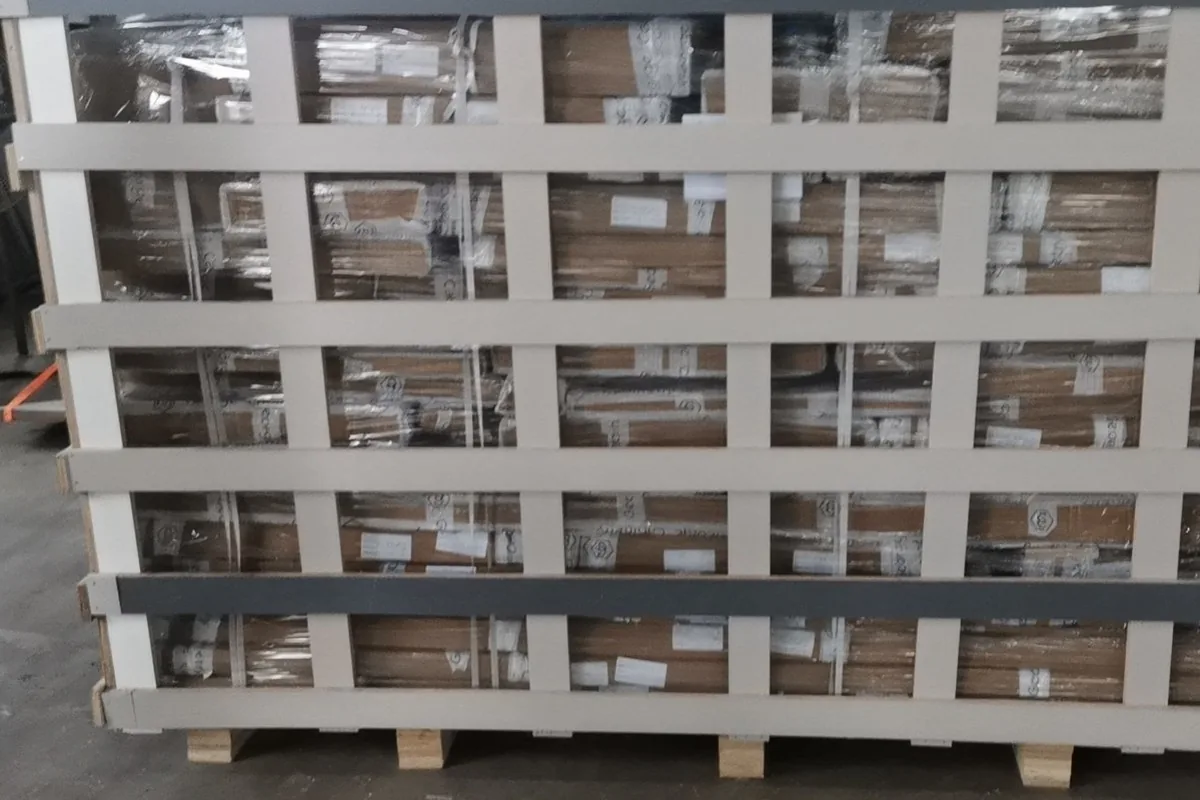
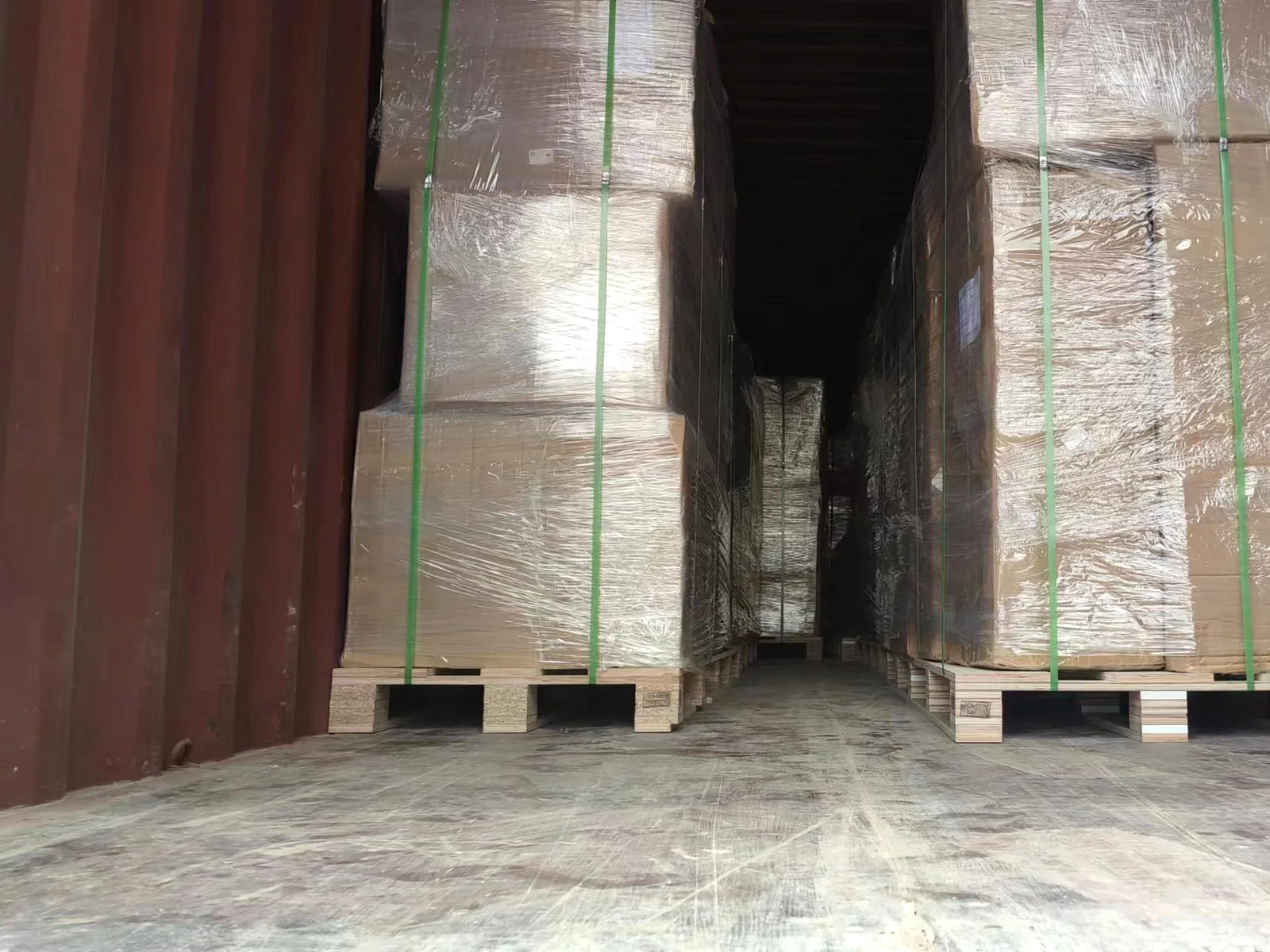
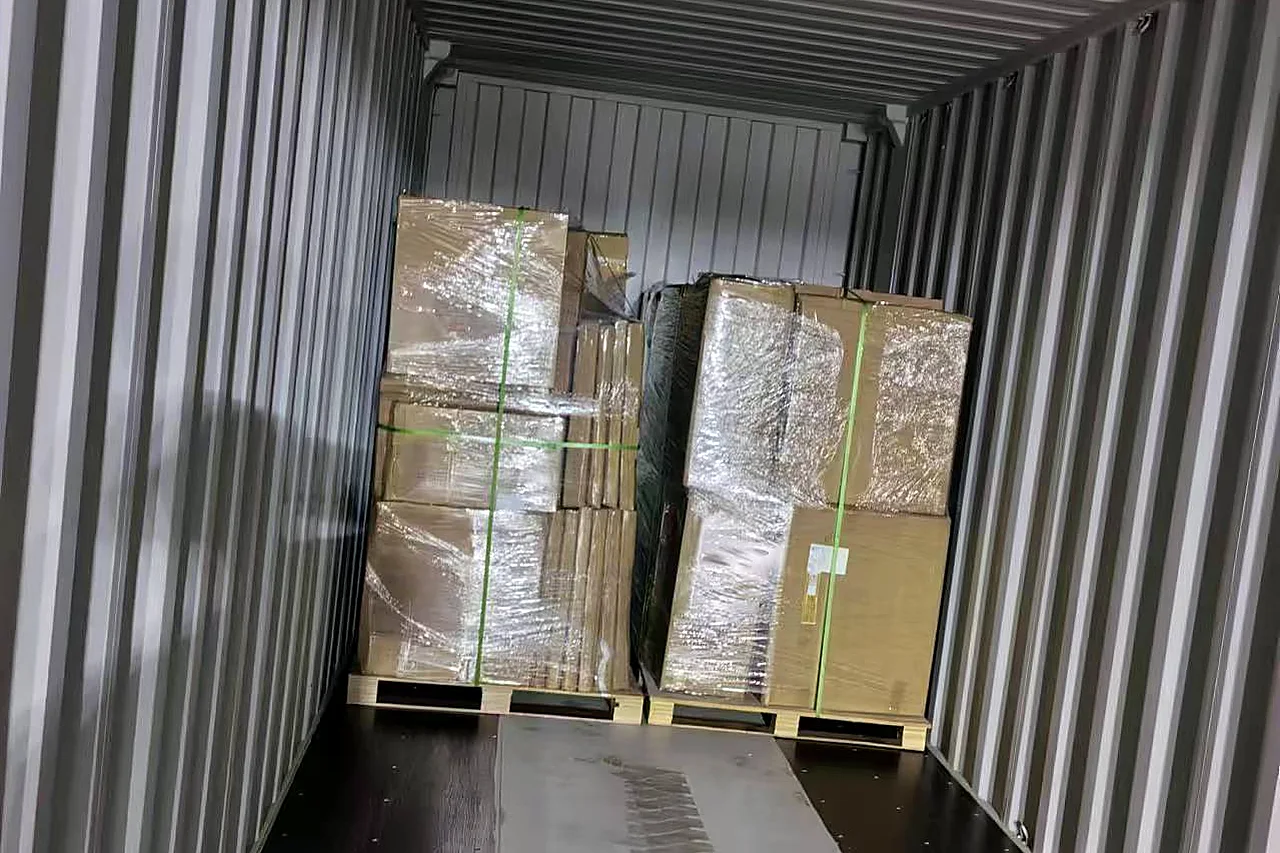
- The packing list, crate by crate. For the broker, and for your own cube arithmetic. A container that arrives short of a full load has still been paid for in full.
- Your exporter's AD/CVD cash-deposit rates in writing, before the purchase order. The number you budgeted with and the number on the entry must come from the same document.
On the Canadian side, advance rulings on origin, valuation and tariff classification are available before you import, and CBSA's duty relief and drawback programs remain available for the surtax, subject to the CUSMA provisions in the notice. The program and relief options are on the Canada market page.
What moves the landed number
Five inputs, in the order they matter for the table above:
- The exporter. The AD/CVD line is the only layer that differs factory to factory: the 2026 finals span 7.67% to 43.92% for named exporters, about 10.02% for the separate-rate pool, and 251.64% China-wide. Everything else in the table is identical for both factories' identical boxes.
- The declared code. The HTS code sets the base rate and decides which Section 232 lines apply - a stainless system reads differently on the duty line than a plywood run, all else equal.
- The entry date. The Section 232 rate is a dated fact with a scheduled step (January 1, 2027), and the Canadian safeguard has a 200-day window from July 31, 2026. Two containers of the same run can land under different rates.
- Flat-pack or assembled. Both are inside the AD scope and inside the Canadian safeguard, but the decision still moves freight cube, site labour and damage risk - the full comparison is in the flat-pack guide.
- The declaration itself. In Canada the safeguard amount goes in field 87 under code 26169A, not field 85 where ordinary surtaxes are entered. The wrong field is a fixable error - only if it is caught at the border and not after.
FAQ
What are the 2026 duties on cabinets imported from China into the US?
Four layers, each ad valorem on the same entered (FOB) value: base duty at 0% on the HTS 9403 cabinet subheadings; Section 232 at +25% (proclamation of September 29, 2025, applied to entries on or after October 14, 2025, with the step to 50% deferred for a year and the next scheduled step landing January 1, 2027); Section 301 List 3 at +25% (in force since May 10, 2019); the forced-labour tranche of July 24, 2026 exempt for cabinets at 0%; and AD/CVD assessed by exporter, with separate-rate exporters averaging about 10.02% (roughly 19.5% combined) in the 2026 finals against a China-wide anti-dumping rate of 251.64%.
Is Canada's 25% cabinet surtax permanent?
No. It is a provisional safeguard: 25% of the value for duty on wood cabinets, vanities and their subassemblies, in force for up to 200 days from July 31, 2026 while the Canadian International Trade Tribunal holds its inquiry. After that period the surtax applies only to the listed goods the CITT finds are being imported in conditions that cause or threaten serious injury to domestic producers, and if the inquiry finds none, the surtax ceases on the date of the finding. It is a duty, not a ban.
Does a duty-paid (DDP) price change the duty stack?
No. It inverts who carries it. Under DDP the supplier clears the goods: the duty lines, including the anti-dumping duty and the CVD, sit inside the price to the dock and the rate risk stays on the supplier's side. Under FOB you enter, so the same stack is yours to manage and the exporter's cash-deposit rate becomes part of your landed arithmetic. The layers and the value they attach to never change between the two.
Why can't two factories share one duty number?
Because AD/CVD follows the exporter, not the cabinet. Under the two orders on wooden cabinets and vanities from China (A-570-106 and C-570-107, in effect since April 21, 2020), the 2026 finals set named-exporter rates from 7.67% to 43.92%, the separate-rate pool averaged about 10.02%, and a factory without its own reviewed rate sits at the China-wide rate. Get the cash-deposit rate in writing before the purchase order, not at the port.
How current is this table?
US rates as checked October 2026, Canada as checked August 2026, page updated November 2, 2026. Every cell carries its check date because the rates are dated facts: the Section 232 step is scheduled for January 1, 2027, the Canadian safeguard runs up to 200 days from July 31, 2026, and the AD/CVD rates update with each administrative review.