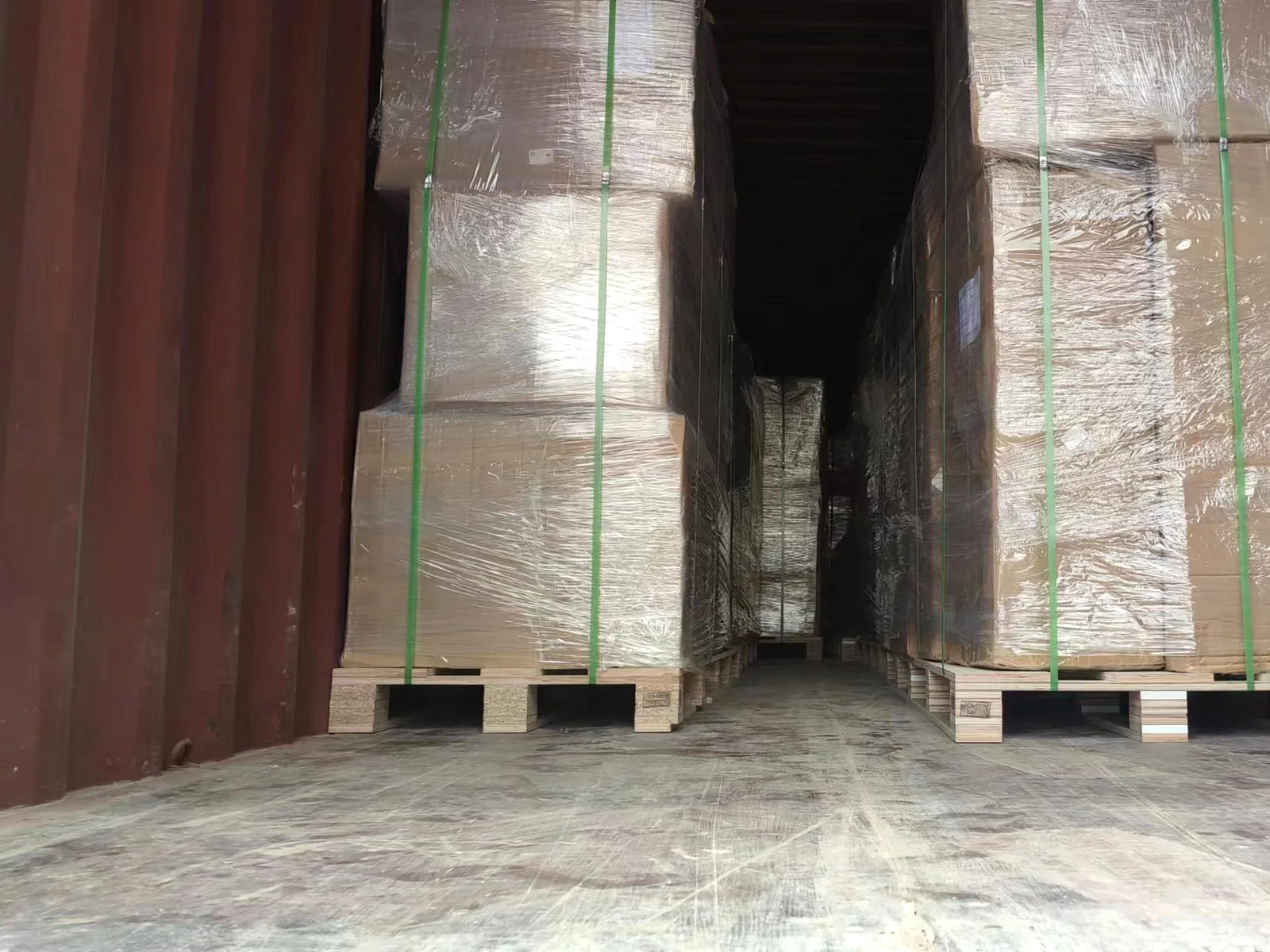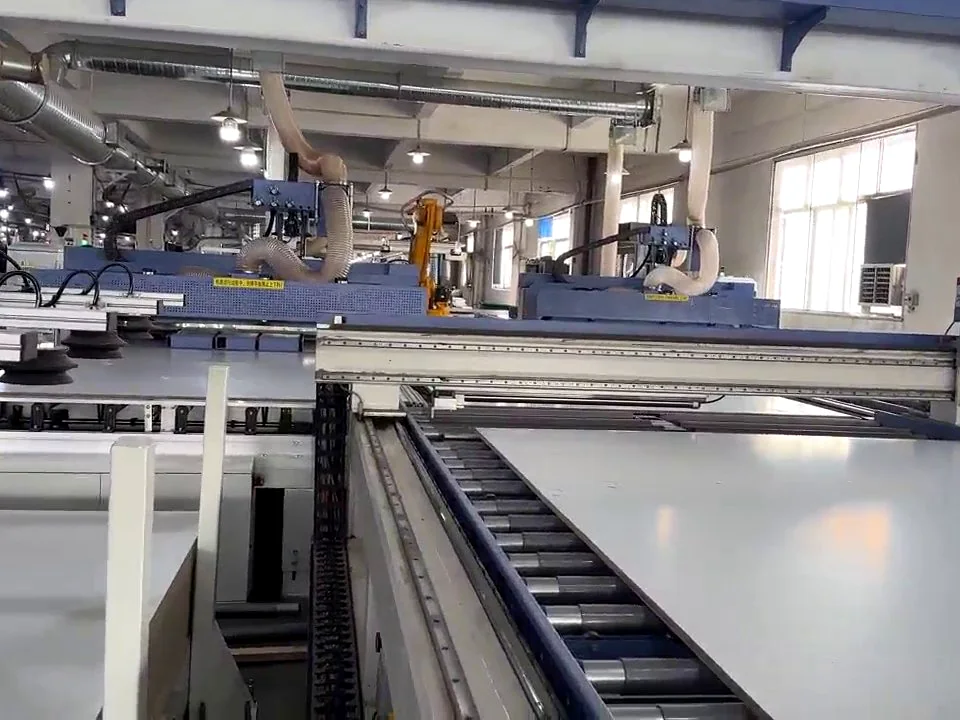
Two different limits get called "MOQ" and buyers lose money confusing them:
The two minimums
| Per-style / per-finish minimum | Per-order (container) minimum | |
|---|---|---|
| What it measures | The smallest run we can open for one door style + finish | The smallest total order that makes shipping economical |
| Why it exists | Paint batches, tooling setup, edge-banding runs - a 12-door lacquer run costs nearly as much to start as a 120-door one | A half-empty container still costs nearly a full one to ship |
| Typical shape | By number of doors per custom finish - 500+ panels per colour; made-to-order runs have no per-style minimum | By container - one 20GP or 40HQ per order; mixed rooms in one container count together |
| How to sit under it | Mix - see below | Mix rooms, or consolidate a second project into the same container |
How a first order fits under the limits
The trick is that the per-style minimum applies per finish, not per order. A first kitchen in one collection and finish can sit over the per-style line on its own - a full kitchen run almost always does. Where buyers get stuck is the two-tone order: light uppers in finish A, dark base in finish B. Each finish is its own minimum, and a small kitchen can put finish B under its line.
- Mix rooms. The second finish is usually used on the mudroom or pantry run too - that adds the feet finish B needed to clear its minimum.
- Accept a price step. Under the per-style line, the run is still built - at a small-batch rate. Get both prices: "what's the per-foot rate over the minimum, and what's the rate if I sit under it?"
- Consolidate the container. Kitchen + closets + one laundry wall in one shipment clears a per-order minimum that any single room would miss.

Three questions to ask any furniture supplier before you trust an MOQ number
- "Per what?" Per style, per finish, per door, per container, or per order value? The number is meaningless without the unit.
- "What happens under it?" Flat refusal, a small-batch surcharge, or a custom quote? A supplier who answers "it depends" is telling you the minimum isn't a number, it's a negotiation - budget for that.
- "Does the minimum move?" Paint batches and seasonal capacity shift MOQs. Get the number in writing on the quote, not in a chat reply.
Finding a factory-direct supplier rather than a trading company is the whole question behind the MOQ. An MOQ that reads low is easy to promise when the number is set by a middleman ordering in volume; what you are actually buying from a factory-direct cabinet or furniture supplier is the capacity behind the number, and whether they will hold a finish batch across a small run. Ask directly whether you are talking to the factory or a trading company, ask what happens to the MOQ if you add one room in a second order, and ask whether the finish batch is shared or re-struck. Those three answers separate the two faster than the MOQ figure itself does.
When an MOQ is actually a dealbreaker
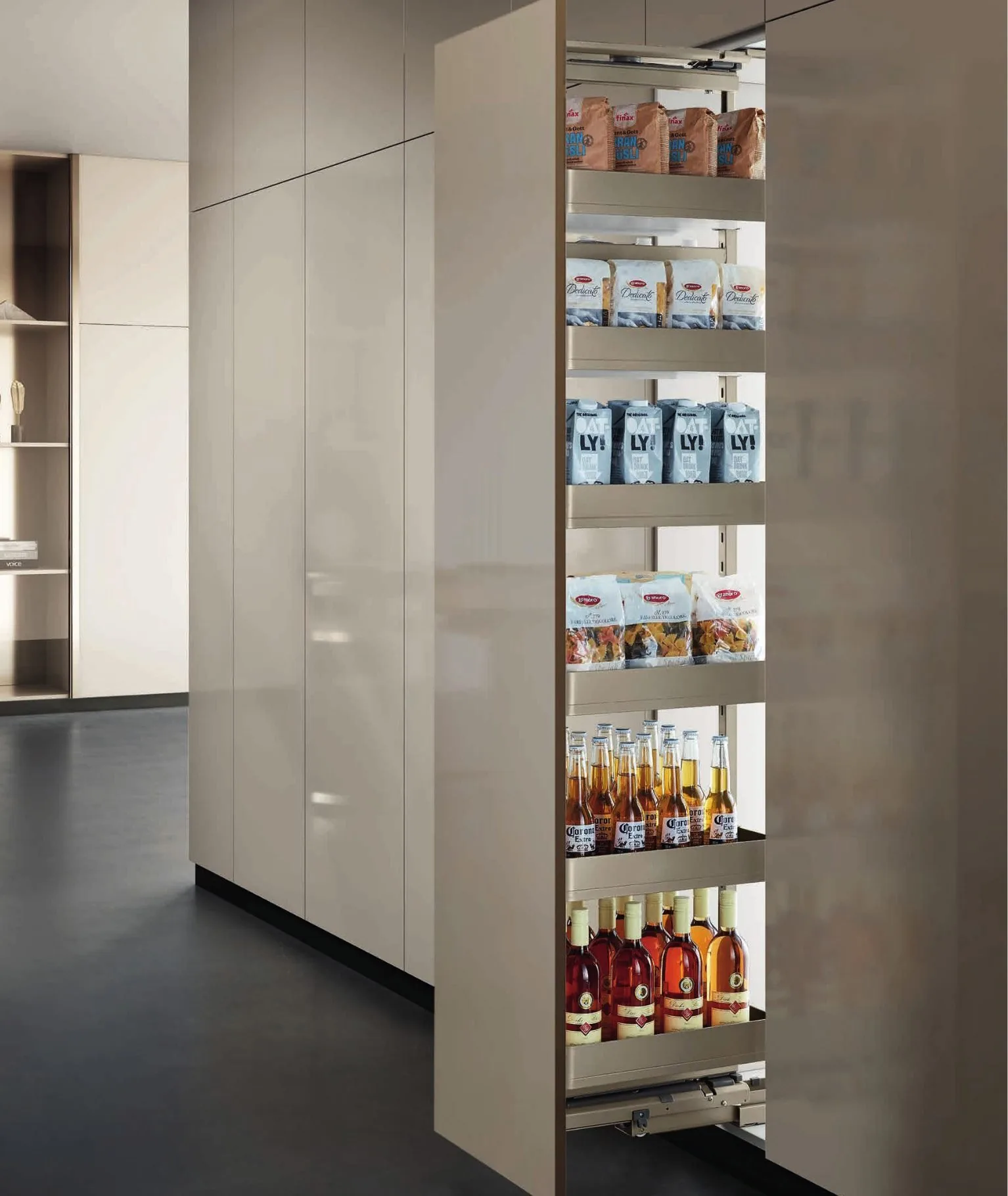
Rarely, if the order is a real kitchen - full runs, one or two finishes. Where it bites: single rooms, single finishes, small footages. One vanity, one 8-foot run, a fluted accent column by itself. That's when the per-style line matters, and it's exactly the scenario the mixing strategies above are built for. If your project is small, tell us it's small up front - the layout can usually be shaped to clear the minimums without losing the design.
What an MOQ actually protects
An MOQ is not a sales hurdle, it is a production constraint with a number stuck on it. The two limits exist for different reasons, and each one answers a different question.
The per-finish minimum is about the batch, not the customer. A custom colour carries setup: the finish is mixed into a batch and sprayed in one pass, the edge banding colour is run, and the panels are optimised across a sheet. Run three doors in a custom colour and the factory still spends the same batch, which is why the minimum sits on custom finishes rather than on standard styles cut from stock melamine or veneer.
The container minimum is about the freight. A 40-foot high cube holds a fixed volume whether it is full or half empty, and the ocean and duty cost of the container is the same either way. That is the number that decides whether a small order is viable, and it is why suppliers push a first order toward a container rather than a room.
The practical consequence: mixing styles is normal and encouraged, because several styles can share one finish batch and one container. What is not normal is asking a factory to mix a custom colour in a quantity below its batch, at the price of a large run.
FAQ
What does MOQ mean for custom cabinets?
Two limits hide inside the word. The per-finish minimum applies to custom colours, where the paint batch is the constraint; standard styles cut from stock carry no per-style minimum. The container minimum is the volume that makes the freight and duty viable, usually expressed as one 40-foot high cube. A first order is normally limited by the second, not the first.
Is there a minimum order for a single kitchen?
One kitchen rarely fills a container, so the honest answer is that a single kitchen is possible but the freight per unit is higher than on a program order. The way to make it work is to combine rooms, or to accept a shared container where the schedule allows it. The MOQ question to ask is not what is your minimum, but what ships together and what does the freight cost per unit.
Can I mix door styles in one order?
Yes, and it is the usual way a first order clears the limits. Several styles can share a finish batch and one container, so the setup is spread across the order rather than resting on one line. What the factory will push back on is a style requested in a quantity below its own setup, at a price that assumes a large run.
Why do custom colours carry a minimum when standard styles do not?
Because the constraint is the batch, not the sheet. Melamine and veneer are cut and banded from stock, so a small run is cheap to start. A lacquered door is mixed, sprayed and baked in a batch, so the minimum is set by the smallest batch the finishing line can run without wasting material and without holding up the next colour.
Does the MOQ change on a reorder?
Usually it drops, because the setup already exists: the profile program, the colour record and the spec sheet are on file. Reorders are where a small repeat becomes efficient, and it is worth asking for the reorder minimum in writing when you place the first order, so the second one is not a surprise.
Is an MOQ negotiable?
The number is negotiable in the same way a schedule is. What can move is how the order is structured: mixing styles, splitting a finish batch across two orders, or joining a container that is already loading. What cannot move is a colour batch smaller than the line can run, or a container that ships half empty at full freight cost.