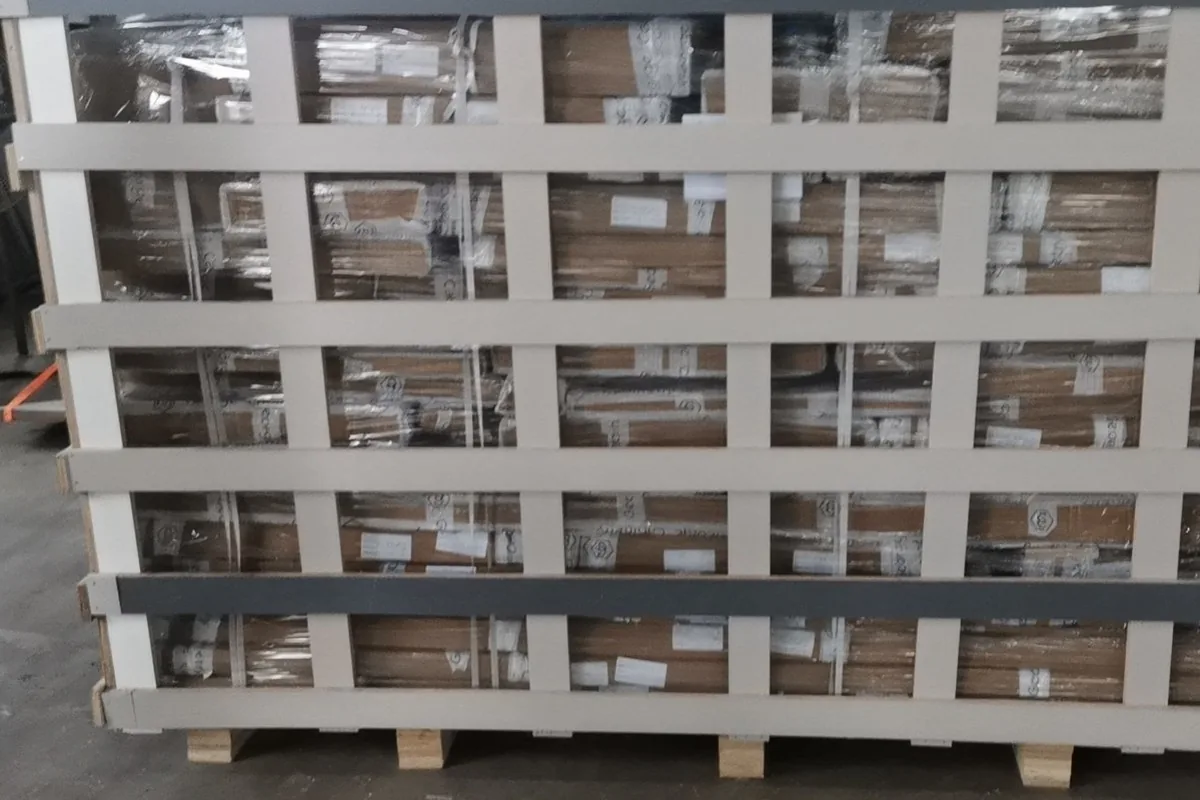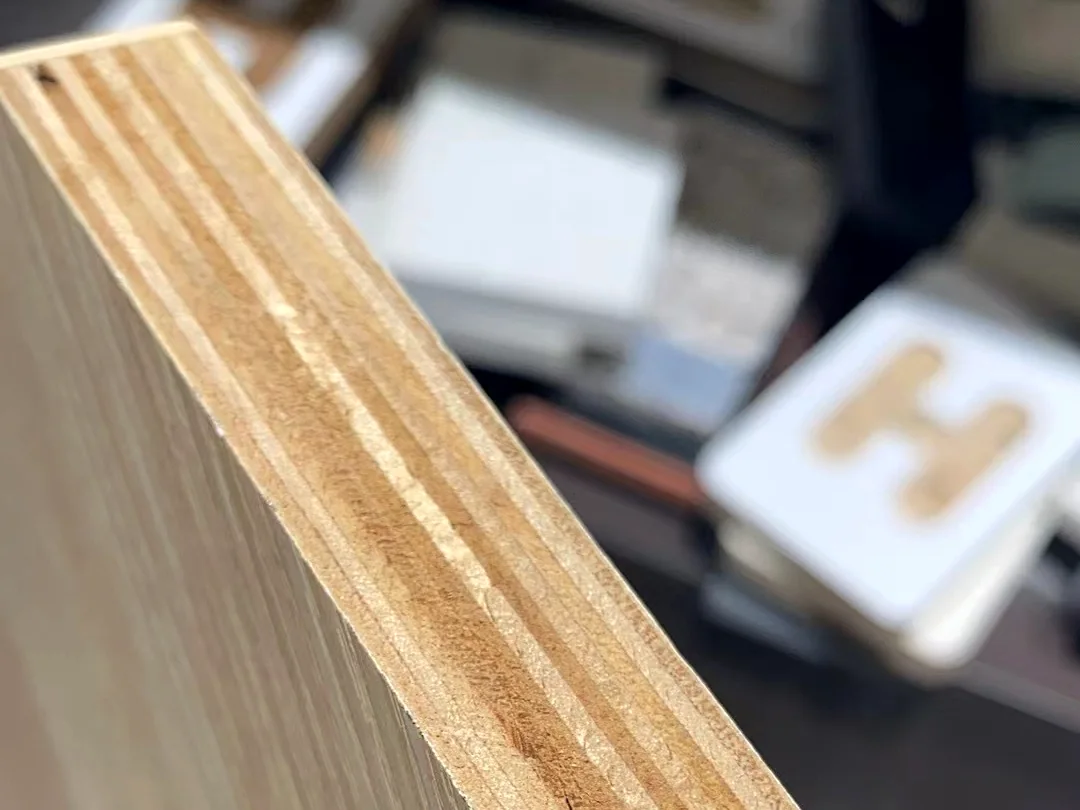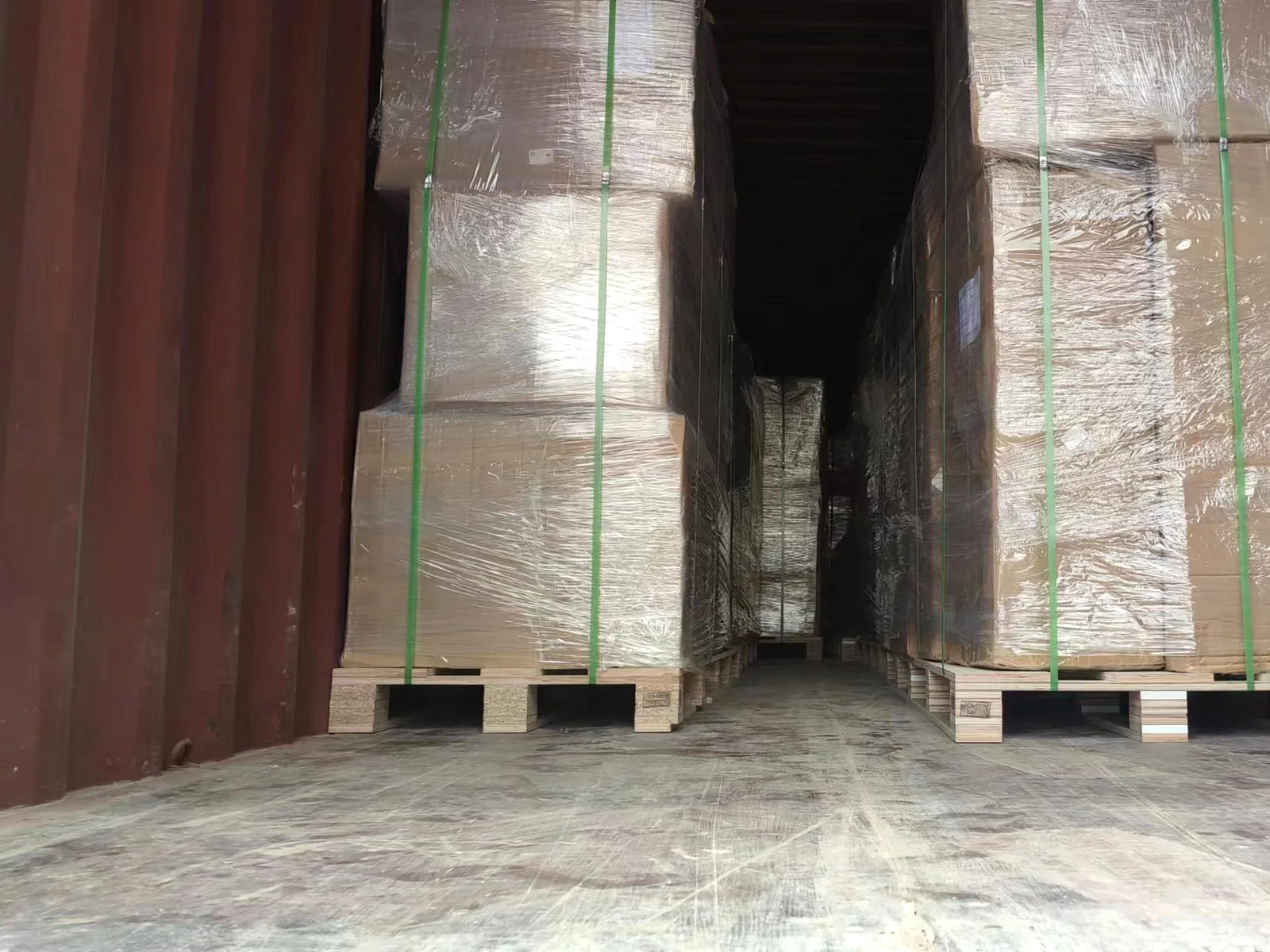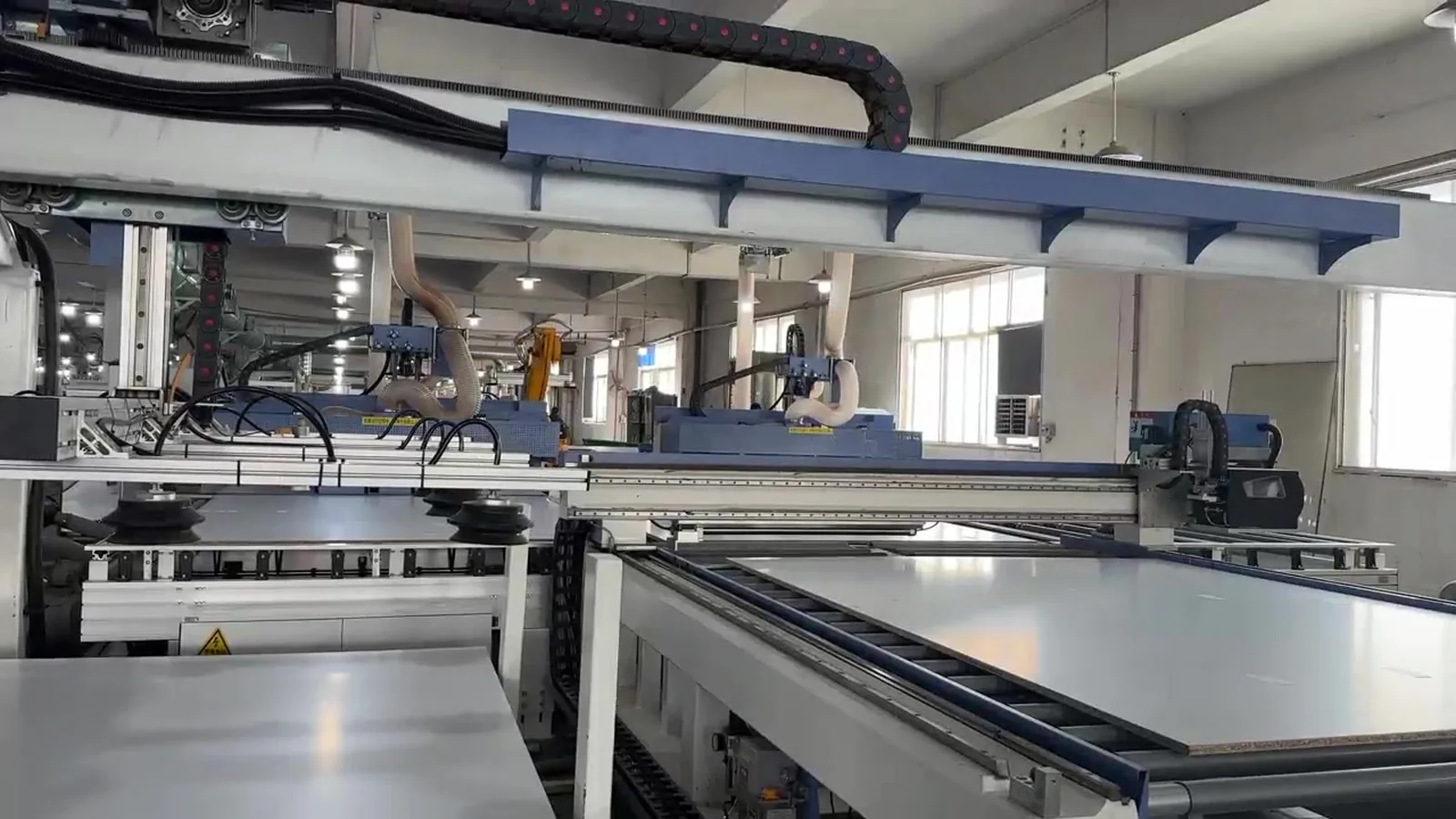
A Lacey Act declaration is a sworn statement, filed with your customs entry, that names the scientific species and the harvest country of every piece of plant material in the goods you are importing. On a wooden cabinet order that is harder than it sounds, because a cabinet is not one species, and the person who signs the declaration - the importer of record - is not the person who knows the answer. The answer sits two tiers back, with the panel mill and its veneer supplier. From 30 December 2026 a second declaration sits on top of the first: the EU deforestation due diligence statement. Both of them run on the same underlying dataset, and that dataset is the part of the order nobody used to collect.
We do not publish prices here, and we are not customs lawyers. This is how the two regimes read from inside a cabinet factory in Foshan - what gets asked, where the data actually breaks, and what a buyer should put in the purchase order so the answer exists before the container is booked rather than after a hold notice arrives.
Two declarations now sit behind every wooden cabinet
For years the entry paperwork on a wooden cabinet order was about money: the HTS code, the country of origin, the duty layers. That is still true, and the duty stack on Chinese cabinetry is its own subject - Section 301, AD/CVD, the Section 232 question, all covered in the landed-cost breakdown. What changed is that a parallel stack grew up next to it, and this one is about where the wood came from rather than what it cost.
Two things moved at once. In the United States, the Lacey Act declaration requirement was extended - through what APHIS calls Phase VII - to cover most of the plant products that had been sitting outside it, including wooden furniture classified in Chapter 94 of the tariff schedule. Kitchen cabinets and vanities live in that chapter. And since 1 January 2026 the paper route has closed: APHIS no longer accepts a paper form for these declarations. They go in electronically, either as a message set filed with the entry itself or through the agency's own web system, which means the data has to be ready at the moment the entry is prepared rather than chased afterwards.
In the European Union, the regulation on deforestation-free products replaces the old timber regulation entirely, and after two postponements its main obligations apply from 30 December 2026 for large and medium operators, for downstream operators and traders of every size, and for the smaller businesses that were already covered by the regulation it replaces. A narrower group of micro and small operators gets until 30 June 2027.
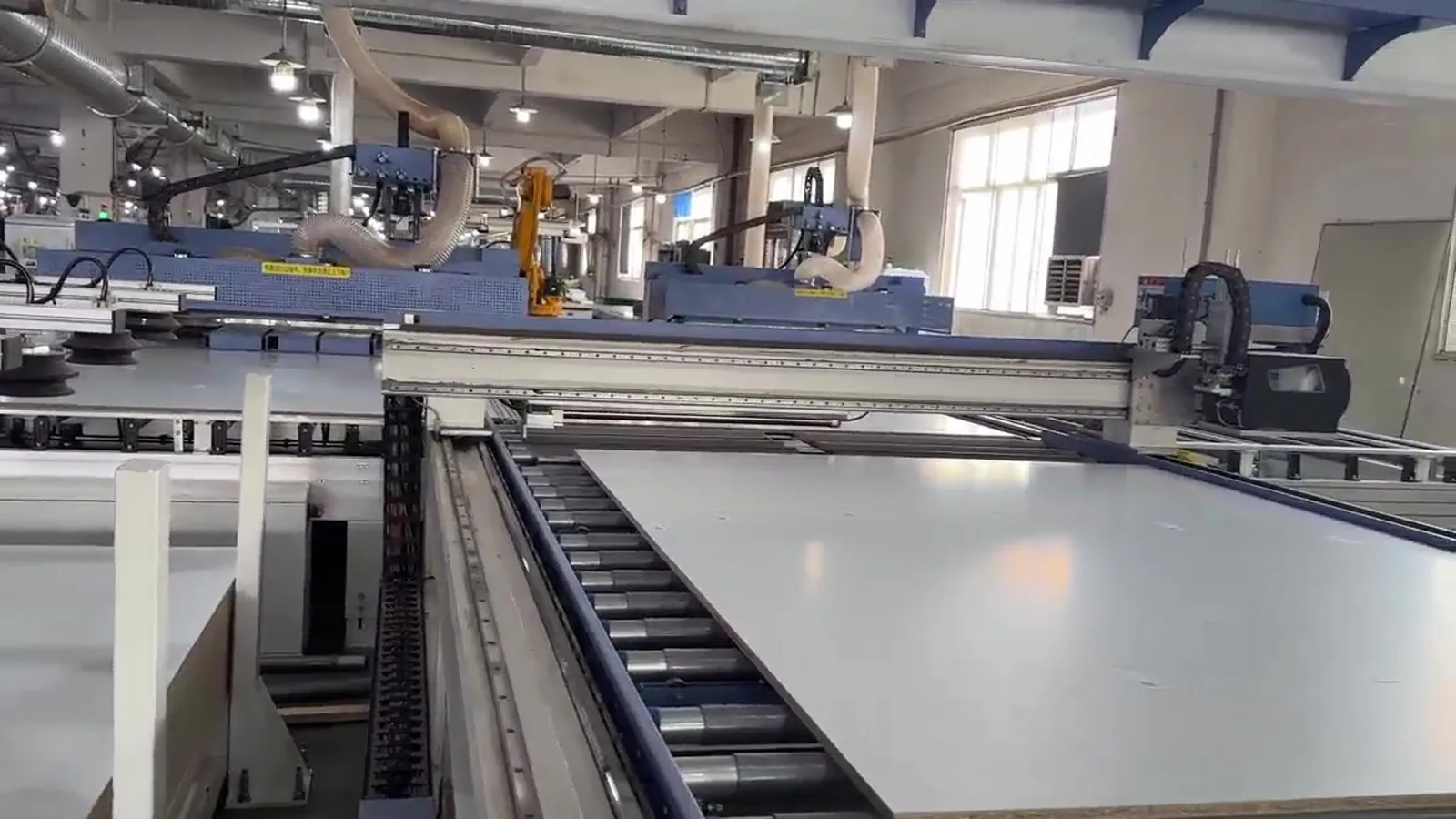
What a Lacey Act declaration actually asks for
Four data elements, for every plant species in the product:
- The scientific name, at genus and species level. Not a trade name, and not a marketing category.
- The country of harvest - where the tree was cut.
- The quantity, with its unit of measure.
- The value of the plant material on that line.
A chair built from two woods needs both species. So does a cabinet. The declaration is filed by the importer of record, and the importer is legally responsible for its accuracy regardless of who types it - which is the uncomfortable part, because the importer has never seen the panel mill.
There is a narrow de minimis route, keyed to a share of line value and to a weight threshold, and it does not open for species listed under CITES or under an endangered species regime. Treat it as an exception you have to justify, not a default.
The penalties are not administrative. The statute provides criminal fines that run into the hundreds of thousands per person and higher for an organisation, imprisonment measured in years, and civil forfeiture of the goods - and a false or missing declaration is a violation in its own right, independent of whether the timber was legally harvested. That last point is the one that catches people: you can have bought perfectly legal wood and still be in breach because the paperwork described it wrongly.
A cabinet is not one species
This is the part buyers underestimate, and it is the part a factory sees every day. Take an ordinary base cabinet with a plywood carcass and a veneered door. Count the declaration lines:
| Component | What it usually is | Why it is its own line |
|---|---|---|
| Carcass panels | Plywood: face veneer over a core | The veneer species and the core species are different plants |
| Door front | Veneered MDF or plywood | Face veneer one species, substrate another |
| Back panel | Thinner plywood or hardboard | Often a different mill and a different species mix again |
| Drawer boxes | Plywood sides, thinner bottoms | The bottom is commonly a third specification |
| Solid components | Rails, frames, mouldings | Solid timber, so one clean species - or several if laminated |
An oak-veneered cabinet on a poplar core is two species before anyone looks at the drawer bottoms. Add a birch plywood back and you are at three. Our own standard carcass is 18 mm E0-grade plywood, with ENF available on request - and the grade is a formaldehyde classification, which is a completely separate compliance layer from the species question. That is exactly why the two get confused: E0, ENF and CARB P2 are board classifications you can test, while species and harvest country are supply-chain facts you have to trace.

Country of harvest is not country of manufacture
This is the single most common error on cabinet declarations, and it is the one that generates holds.
A cabinet assembled in Foshan from Russian birch plywood has one country of origin for customs purposes and a different country of harvest for the declaration. A panel made in China from plantation poplar grown in China answers both questions the same way, which is why the mistake hides for a while and then surfaces on the one order where the mill bought imported board. The trade name problem is the same failure in a different costume: "hardwood" is not a species, "oak-type" is not a species, and a genus written with a blanket "spp." where the species was in fact knowable is a weak declaration that invites a question.
There is a second-order risk that gets less attention. If a quotation offers a species that ought to be expensive at a price that does not make sense, the declaration is where that gets tested - because someone now has to write a scientific name next to it. Species listed under CITES need permits, not just a declaration line, and a factory that will casually name a protected species on an order form is telling you something about how it handles every other field on the sheet.
Where the species data actually comes from
Here is the structural problem, stated plainly. The factory buys panels from a mill. The mill buys veneer and, behind that, logs. The harvest country is the mill's purchasing decision. So when a buyer asks a cabinet factory "what species is this, and where was it harvested", there are only three possible behaviours:
It reads the answer off a document. It holds a species-and-origin sheet per panel supplier, knows which sheet belongs to which batch, and reissues when sourcing changes. This is the only behaviour that produces a declaration you can stand behind.
It answers from memory. Usually right, sometimes wrong, and you find out which at the port.
It invents something plausible. The most dangerous version, because it is fluent. A factory that can name species and harvest country instantly, for every component, without consulting anything, has probably not consulted anything.
The practical test is not the answer - it is the latency. Ask for a species and harvest country breakdown by component on a specific order, in writing, and watch whether it arrives with a document reference or with a sentence. A factory that ships to North America regularly treats this as standard order documentation. A factory that mostly sells domestically often does not have it at all, and that difference belongs in your factory selection rather than in a post-departure email.
EUDR from 30 December 2026: what actually changes
The European regulation is a different shape from Lacey, and the difference matters for how a supply chain has to be built.
Lacey asks the importer to describe the product. The European regime asks the operator to prove a negative - that the relevant products did not come from land that was deforested or degraded after a cut-off date - and the proof is a due diligence statement filed in a central system before the goods are placed on the market.
The 2025 revision changed who carries that. The obligation now sits with the operator who first places the product on the EU market. Operators and traders further down the chain no longer file their own statements; they collect and keep the reference number of the first one. Non-SME downstream operators register in the system. Everyone keeps records for five years. Countries are benchmarked by risk, and sourcing from a low-risk country buys a simplified process rather than an exemption. The old timber regulation is repealed and replaced by this.
For cabinetry the hard part is the plot. A due diligence statement for wood has to be able to point at the land the material came from, with geolocation. A factory that buys plywood from a mill, which buys veneer from a trader, often cannot walk that chain back to a plot with coordinates - and no amount of good intentions at the factory end fixes a gap that starts three tiers upstream. This is the real reason to start the conversation now rather than in December: the answer is a sourcing decision, not a document you can produce on request.
The UK and Australia are due diligence regimes too
Worth knowing because they are easy to miss on a multi-market order. The United Kingdom runs its own timber regulation, built on due diligence rather than on a per-shipment declaration. Australia's illegal logging legislation works the same way: documented due diligence before the import of regulated timber products. Neither requires a certificate. Both require that you can show your reasoning about the supply chain.
Certification sits on top of all of it. Forest certification is voluntary under every one of these regimes, and it is frequently written into hotel and commercial project specifications regardless - which is a commercial requirement dressed as a compliance one. If a project genuinely needs chain of custody, say so at quotation stage, because it changes which panel gets bought and that is not a substitution anyone can make after the board has been cut.
What to put in the purchase order
The point of all this is to move the request from the customs broker's desk to the purchase order, where it can still change something. Four asks, all of them reasonable on any wooden cabinet order:
| Ask | What you want to receive | Why it belongs at PO stage |
|---|---|---|
| Species schedule | Every species by component, scientific name, per order | It cannot be reconstructed after the panels are cut |
| Harvest country | One entry per species, stating harvest not manufacture | The most common declaration error |
| Document trail | The mill's or supplier's own species and origin statement | Turns an answer into evidence |
| Change clause | Written notice when panel sourcing changes | The declaration must match the batch that shipped |
Two of those need a sentence of contract language, not just a document. The species schedule should be attached to the order as a controlled document with a revision number, so that the declaration is made against a specific revision rather than a memory. And the change clause should say who notifies whom, and how quickly, when the mill changes - because a substitution at the mill is invisible at the factory until the batch arrives, and by then the declaration may already be filed.
What we will and will not put in writing
We will put a species and harvest country schedule on the order, by component, from our panel suppliers' own statements, and we will tell you when that sourcing changes. We will not name a species we have not been given by the mill - if the answer is not on a document, we say it is not on a document rather than filling the field with something that sounds right.
We are not a forest-certified operation by default, and we do not claim to be. If a project specifies certification, we say so at quotation stage, because it changes the panel and the lead time. On a project where that matters, the shop drawing review is the right moment to fix the material schedule, not the week before loading.
And the boundary that matters most: the declaration is signed by you, not by us. Our job is to give you data that survives being tested. A supplier who tells you the paperwork is "not a problem" without asking which species are in the box has not understood the question.
FAQ
What does a Lacey Act declaration require for cabinets?
For every plant species in the product: the scientific name at genus and species level, the country of harvest, the quantity with its unit of measure, and the value. A cabinet usually needs several lines rather than one, because the face veneer, the plywood core, the back panel and the drawer bottoms can all be different plants.
Which cabinet products need a Lacey Act declaration?
Wooden furniture classified in Chapter 94 of the tariff schedule is covered, which includes kitchen cabinets, vanities and wardrobe units. Since the Phase VII extension most remaining plant products came inside the declaration requirement, and since 1 January 2026 the declaration is filed electronically rather than on paper.
Is country of harvest the same as country of origin?
No. Country of origin is a customs concept tied to where the goods were substantially transformed. Country of harvest is where the tree was cut. A cabinet assembled in China from imported birch plywood has one origin and a different harvest country, and entering the manufacturing country in both fields is one of the most common declaration errors.
When does EUDR apply to cabinet imports?
From 30 December 2026 for large and medium operators, for downstream operators and traders of every size, and for the smaller businesses already covered by the timber regulation it replaces. Other micro and small operators have until 30 June 2027. The obligation to file the due diligence statement sits with the operator who first places the product on the EU market.
Can a Chinese cabinet factory provide the species information?
A factory that ships to North America regularly usually keeps a species and origin statement per panel supplier. A factory that mostly sells domestically often does not. The test is whether the answer arrives with a document reference or as an unqualified sentence, and whether the factory says the answer is not on a document when that is the honest answer.
Does FSC certification satisfy the Lacey Act or EUDR?
No. Certification is voluntary under every timber regime involved, and none of them requires it. It is often written into hotel and commercial project specifications as a commercial requirement. Certification can support a due diligence argument, but it does not replace the declaration or the statement of species and harvest country.