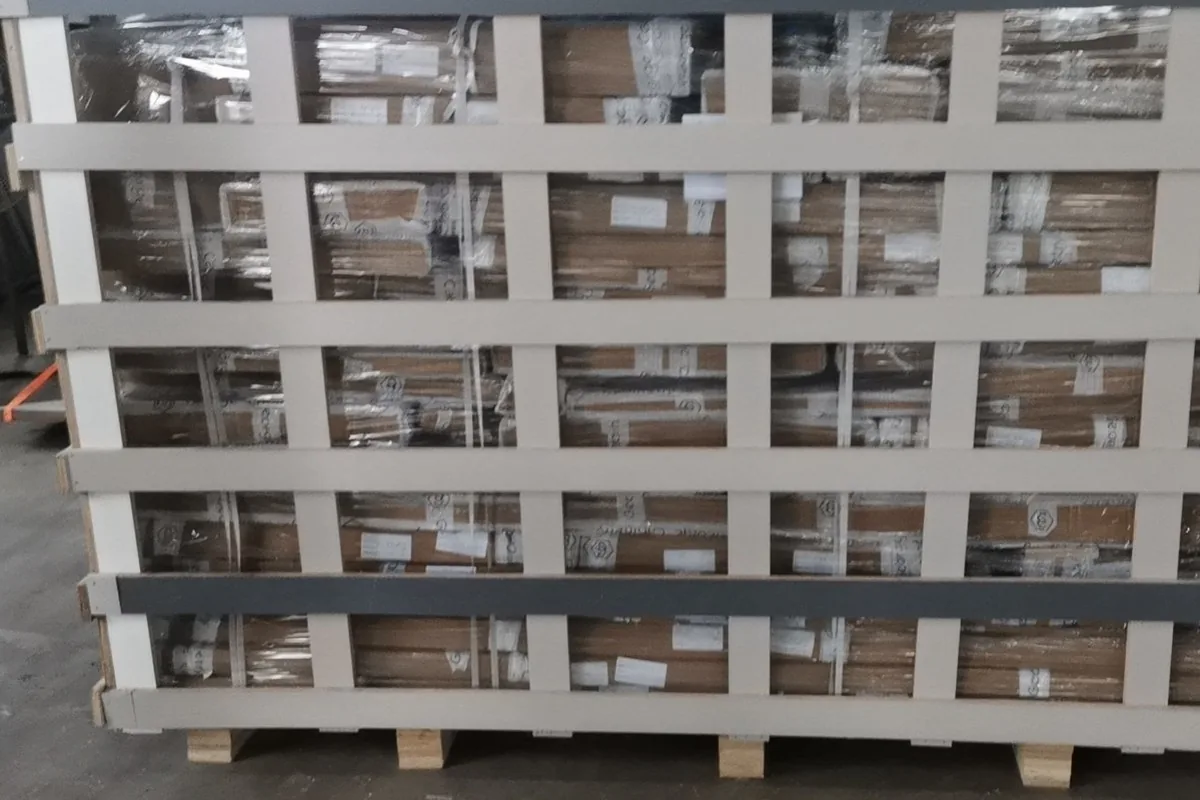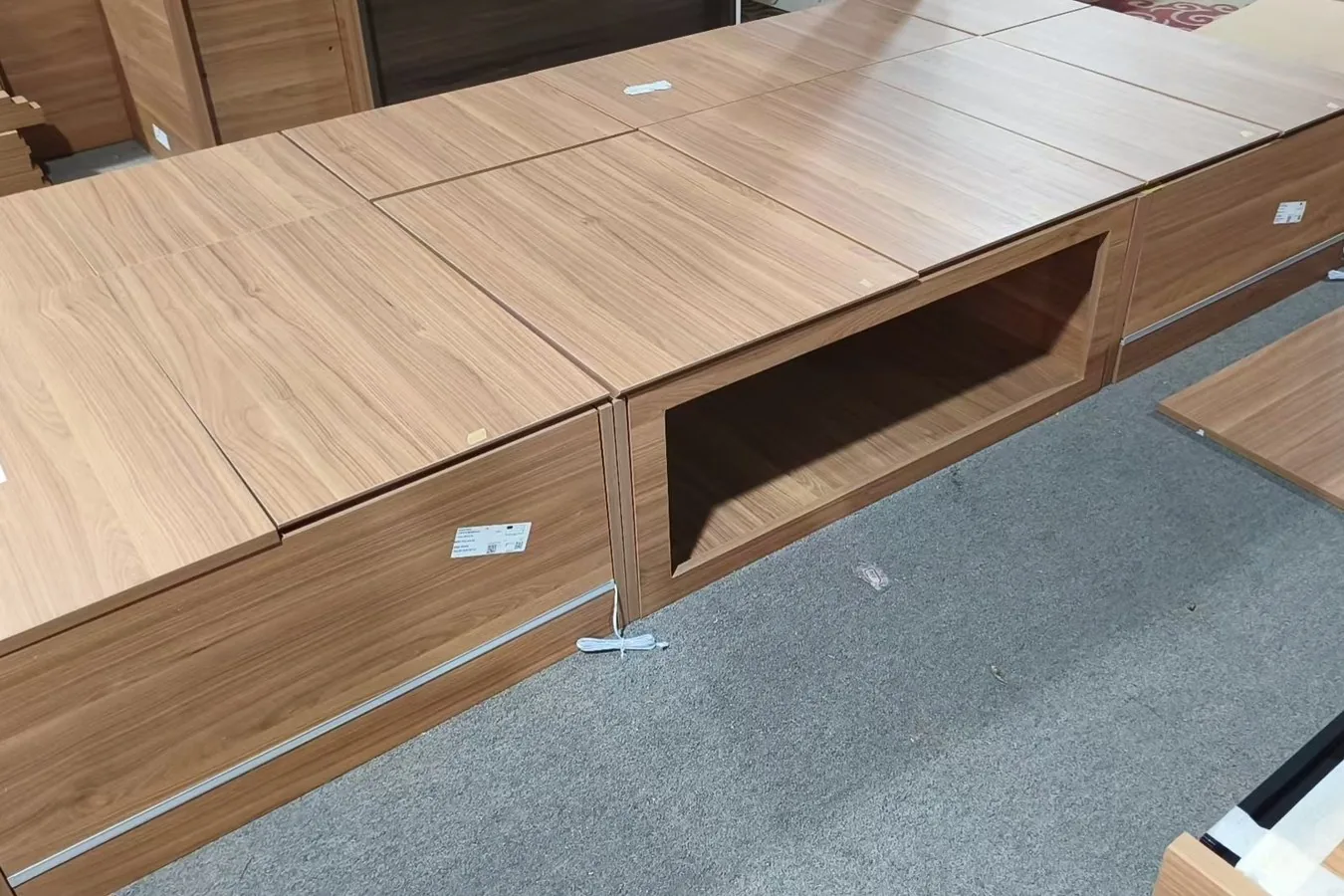
Remote verification is possible. What actually works
The failure mode is not the distance - it is the question. "Do you have quality control?" gets a yes from every supplier on earth. "Can you send the 72-hour trial-assembly photos of order 4012, and the report number for the board you will cut for it?" gets either the file or a reason. Ask for artifacts, not assurances.
The order matters as much as the questions. Checks 1-3 remove most unsuitable suppliers inside a day, because ownership, capacity and board grade cannot be improvised on a call. Checks 4-6 test the process - banding, hardware, reports. Checks 7-9 test execution discipline, which is what you live with on the second and third container.
The 9 checks
01Ownership, capacity, board grade
Who owns the line - a factory, or a trading floor?
Ask for: a live walk on video from the office to the CNC line, with a clock or badge visible; the makes and ages of the machines; how many people are on the floor; and the legal name on the proforma invoice, the bank account and the factory's lease or utility bill.
Passes when: the live walk happens on demand (not a pre-edited reel), and the same legal entity appears on the invoice, the bank account and the lease. A trading company is not automatically a problem - an undisclosed one is.
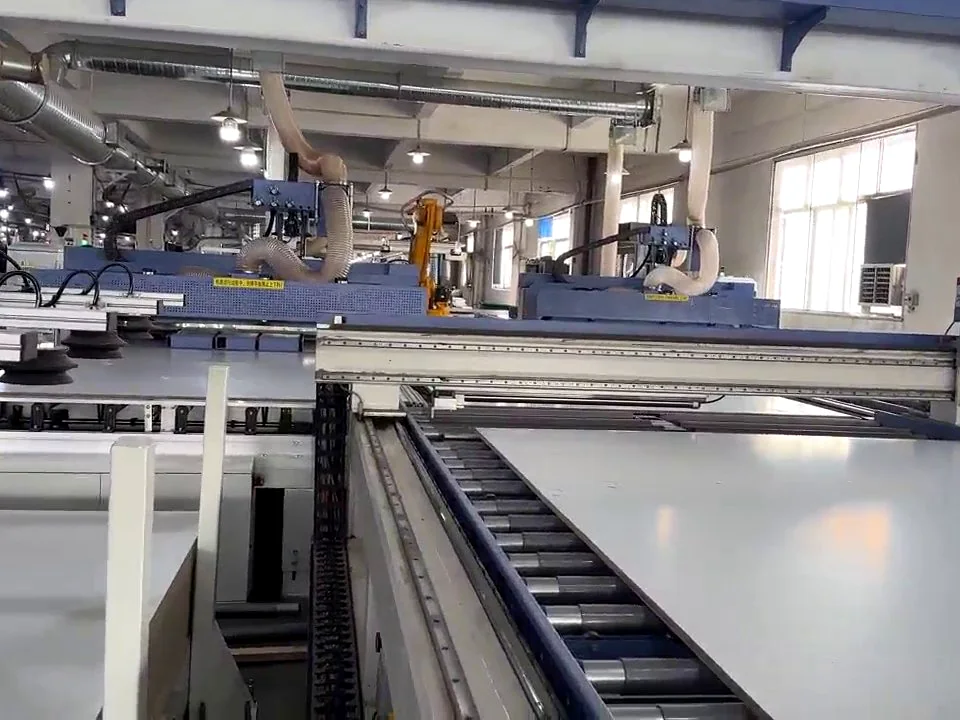
Capacity, stated against your order
Ask for: monthly throughput in m², the number of shifts, machine hours per week, what is on the floor this week, and when your slot would start.
Passes when: you get a written slot with a start date, and the throughput number is consistent with what the video showed. A factory that quotes capacity without asking your order size is guessing, and the guess lands on your delivery date.
Board: brand, grade, and the report that proves it
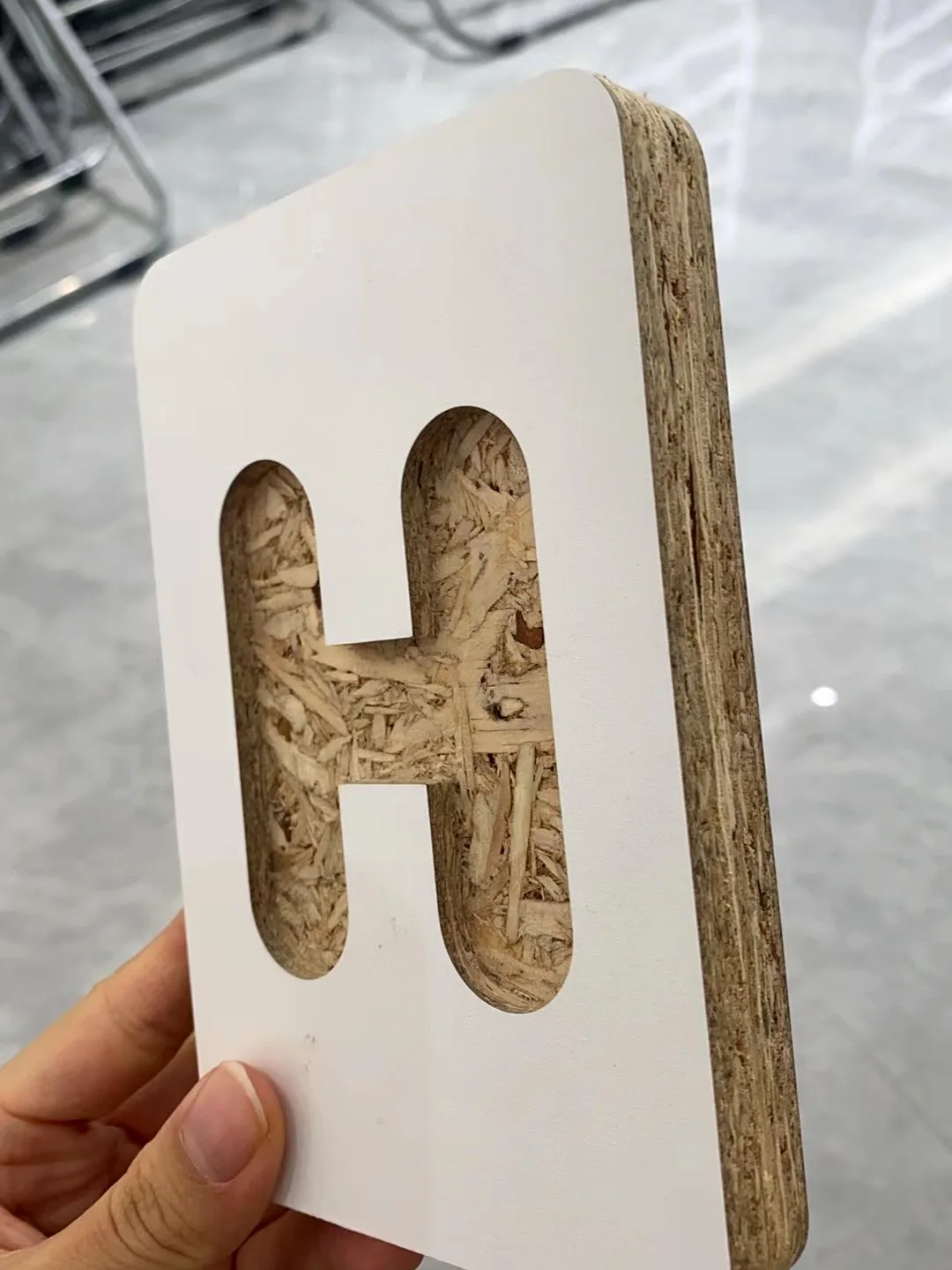
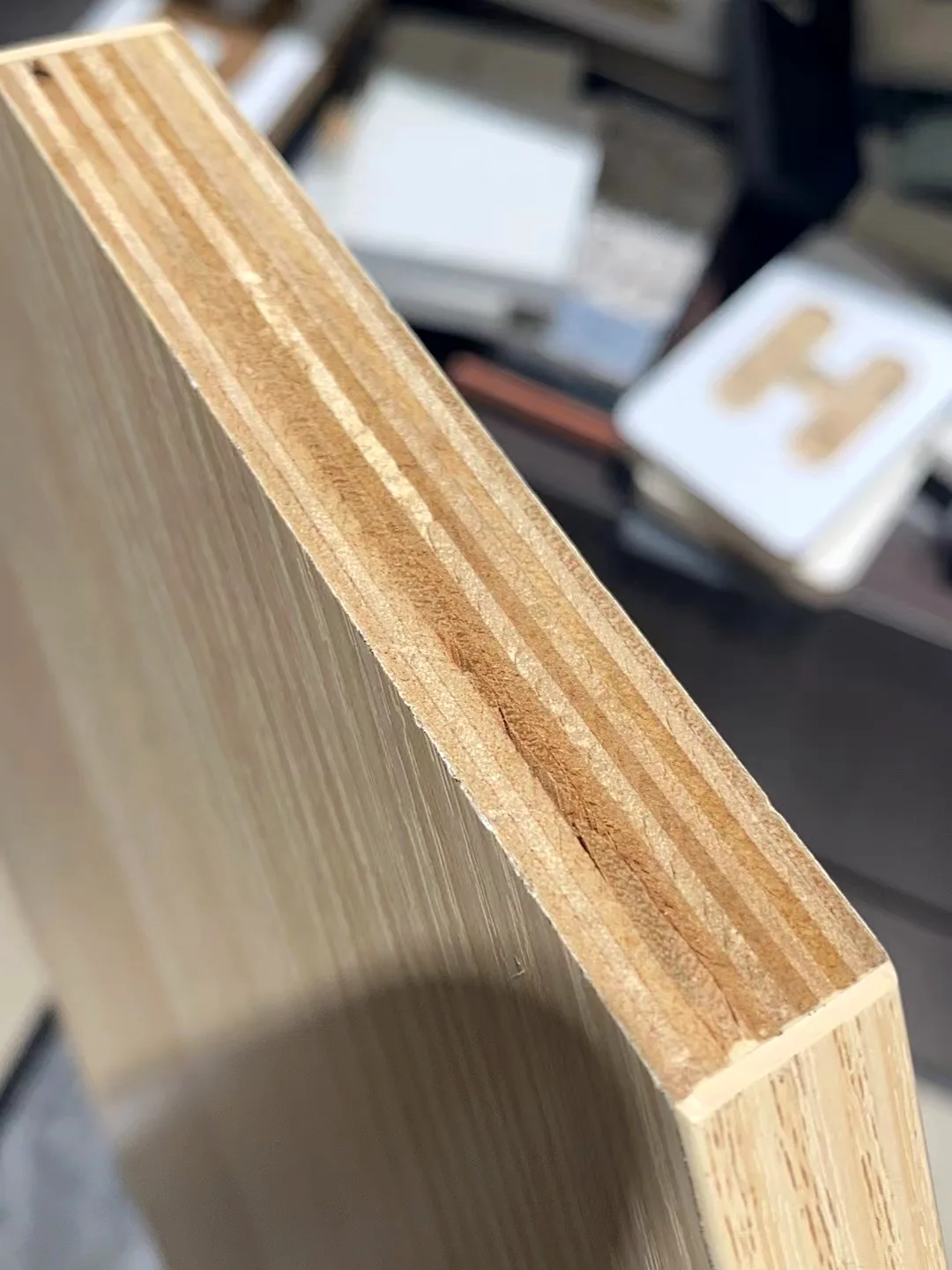
Ask for: the board brand and grade, the mill certificate, and the formaldehyde report number. Ours: 18mm E0-grade plywood (ENF on request), formaldehyde at or under 0.05 mg/m³ per GB/T 39600, report no. SQ2405393 from the National Furniture Quality Inspection and Testing Center (Guangdong).
Passes when: you have a report number, an issuing lab and an expiry date you can check, and the spec sheet names the same grade. "E0" on its own is a class, not evidence - the number is what ties the sheet you will cut to a test that happened.
02Banding, hardware, reports
Edge banding: machine, glue, thickness
Ask for: which machine, which adhesive (EVA, PUR or laser), what thickness - then a close-up of a cut edge under light and a water-spill test on a sample. Ours: 2mm PVB hot-melt banding on every cut edge.
Passes when: the supplier names machine, glue and thickness without conferring, and the sample's cut edge is sealed rather than open. The cut edge is where a cabinet fails first, and it is the cheapest thing in the quote to quietly downgrade - the comparison is in the box-material guide.

Hardware provenance and traceability
Ask for: brand plus model numbers, then the purchase invoice or the brand distributor's letter; and ask what happens when a model is out of stock. Ours: Blum soft-close hinges, 50,000-cycle rated, DTC available on request.
Passes when: model numbers are written into the spec sheet and there is a paper trail from a distributor or the brand itself. "German hardware" without a model number is a description, not a specification.
Test reports: how to check a number
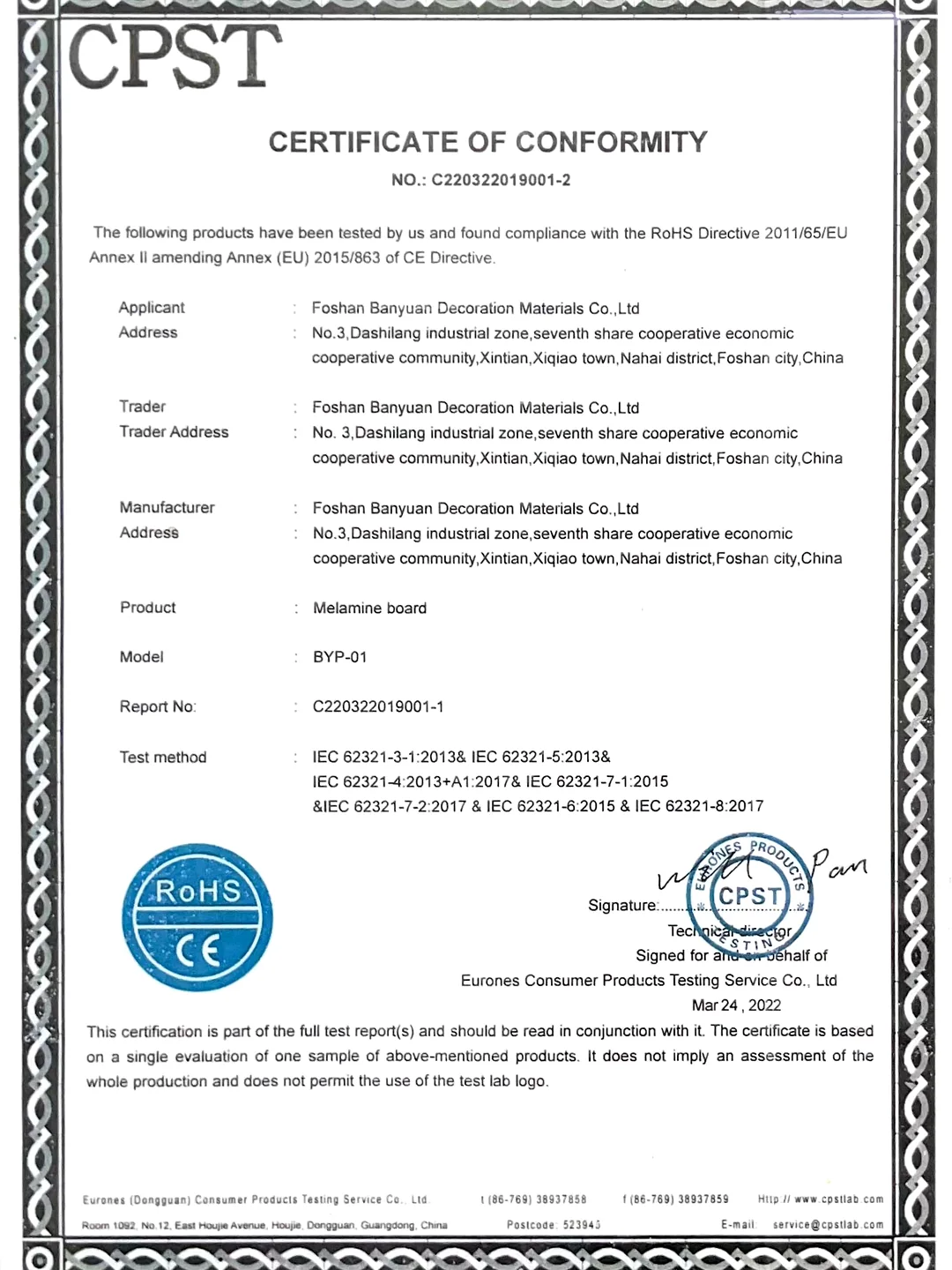
Ask for: the report number, the issuing body, the issue and expiry dates, and the scope - which product, which standard. Then verify it with the issuing body: the lab's online report query, or an email to the certifier. For CARB / TSCA Title VI the check runs through the third-party certifier.
Passes when: the issuing body confirms the number and the scope matches what you are buying. One more thing worth knowing: certificates expire. Ours do too, and renewals run on a cycle - what matters is whether the supplier can tell you the expiry date without going away to look it up. If they cannot, they have never read their own certificate, and that answer tells you how the remaining checks will go.
03Execution discipline
Trial assembly: every order, or only the first?
Ask for: whether every order is bench-assembled before packing, and the assembly photos of a recent order, bay by bay. Ours: every order, at the 72-hour gate.
Passes when: the photos exist per order and show the fronts, edges and hardware you specified - not a stock set reused across projects. This is the check that separates a factory that builds flat-pack from one that builds cabinets; the same discipline is what makes repeat-unit programs work, which is how the US apartment program and the Texas whole-house build were shipped.
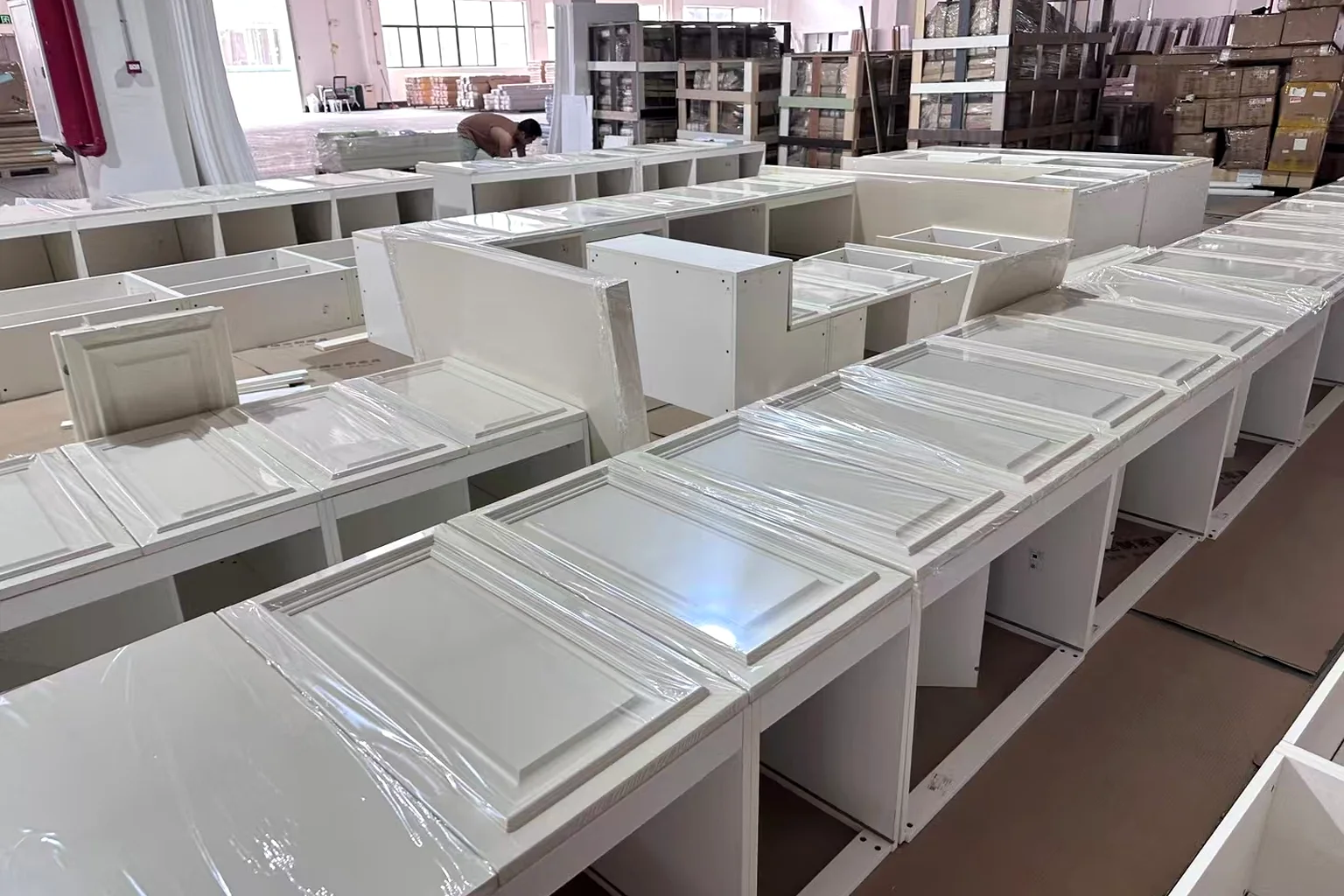
Photo gates, and the payment milestones you attach to them
Ask for: which checkpoints send photos, and what is inspected at each. Ours: 24 hours (cut parts and edge banding), 48 hours (finishing and hardware fitting), 72 hours (trial assembly and packing review).
Passes when: the gates are written into the contract and you can hold a milestone on each. A photo gate you cannot tie to money is a newsletter, not a control. The full quality process, including the damage-claim window, is on the quality page.
Lead time and on-time history
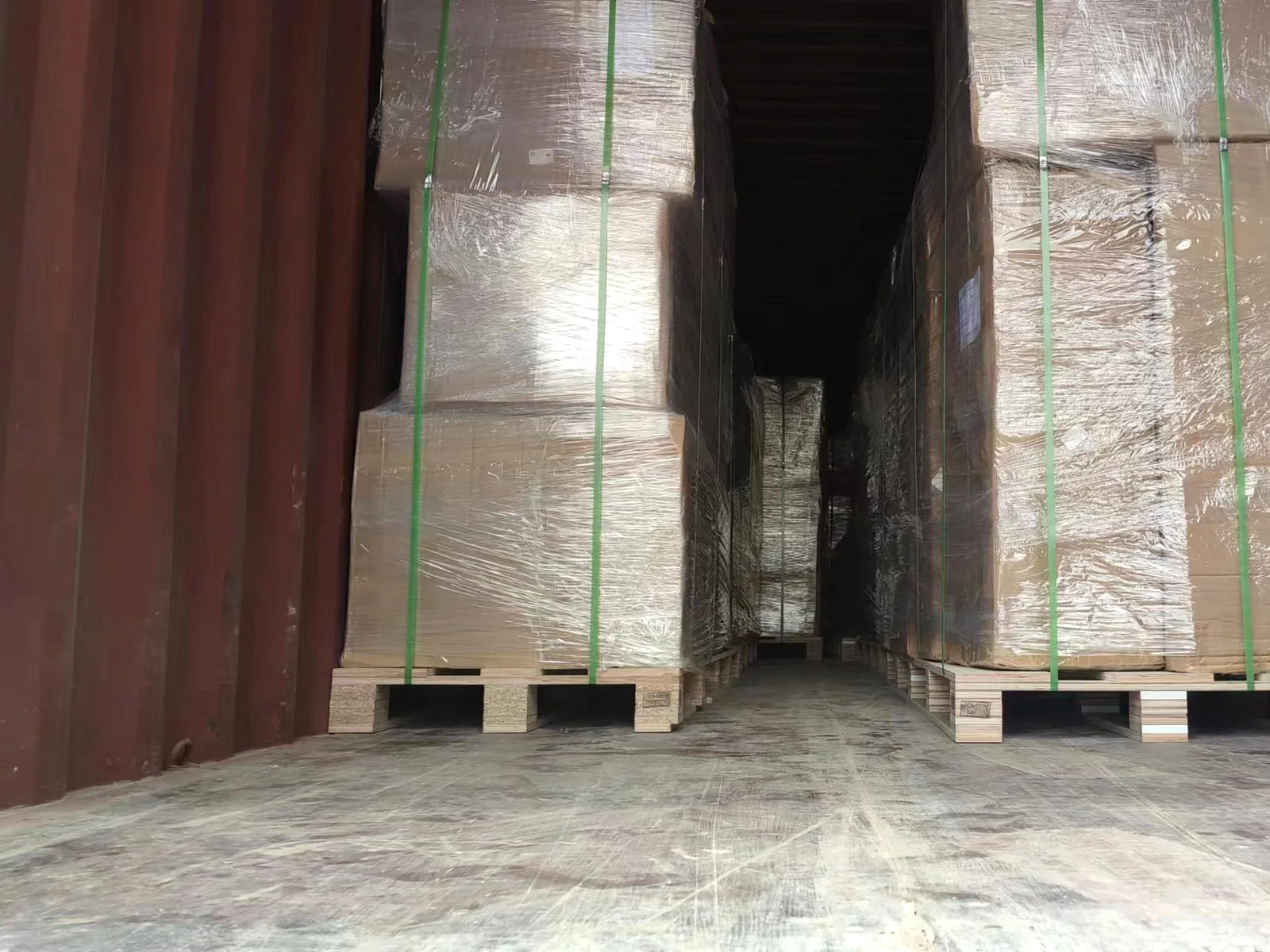
Ask for: factory time in days, the stages it covers, last quarter's on-time percentage, how it is measured (from confirmed slot, or from deposit) and over what window. Ours: 10-14 days of factory time across ten production stages, and 98% on-time delivery measured across delivered programs.
Passes when: you get a number, a definition and a date range. "As fast as possible" is not an answer, and neither is a percentage with no window attached to it.
Our line's numbers, as stated in check 9 above - measured across delivered programs.
How to run a 30-minute live video audit
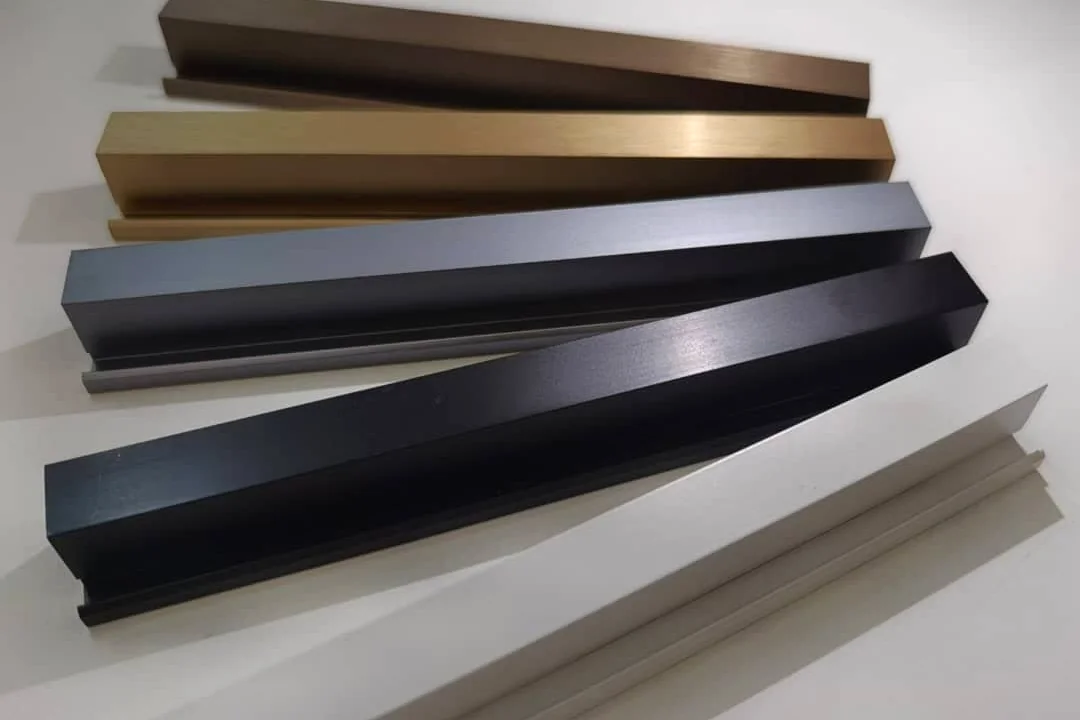
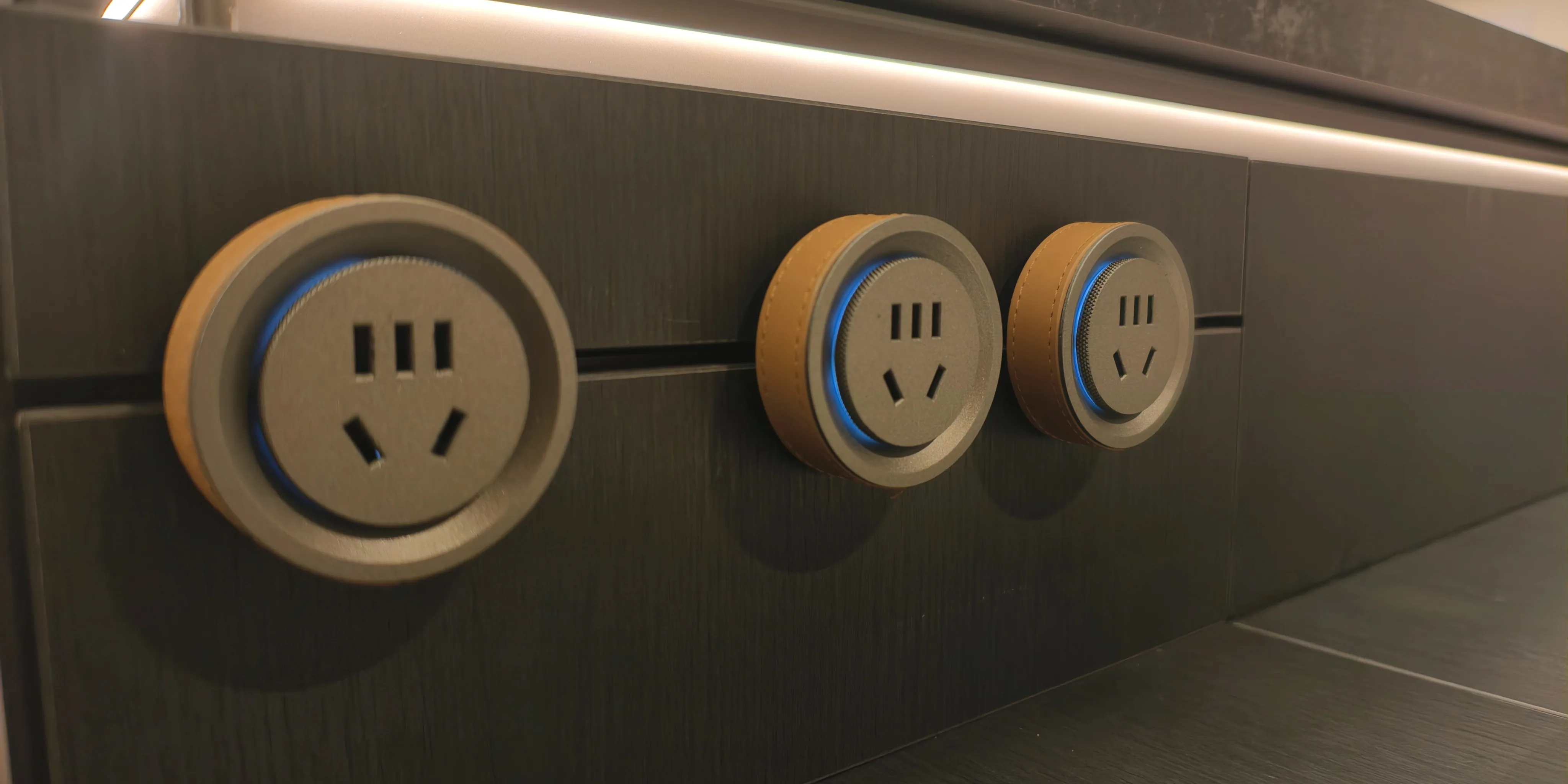
Once the paperwork has narrowed the list, book half an hour on a video call and drive the camera yourself. Six shots, in this order: the board racks with the grade labels legible; the CNC line running; the edge-banding machine, then a cut edge in close-up; the hardware bin with model numbers visible; the finishing room with your finish on the wall; and the trial-assembly bench, with whatever is assembled that day.
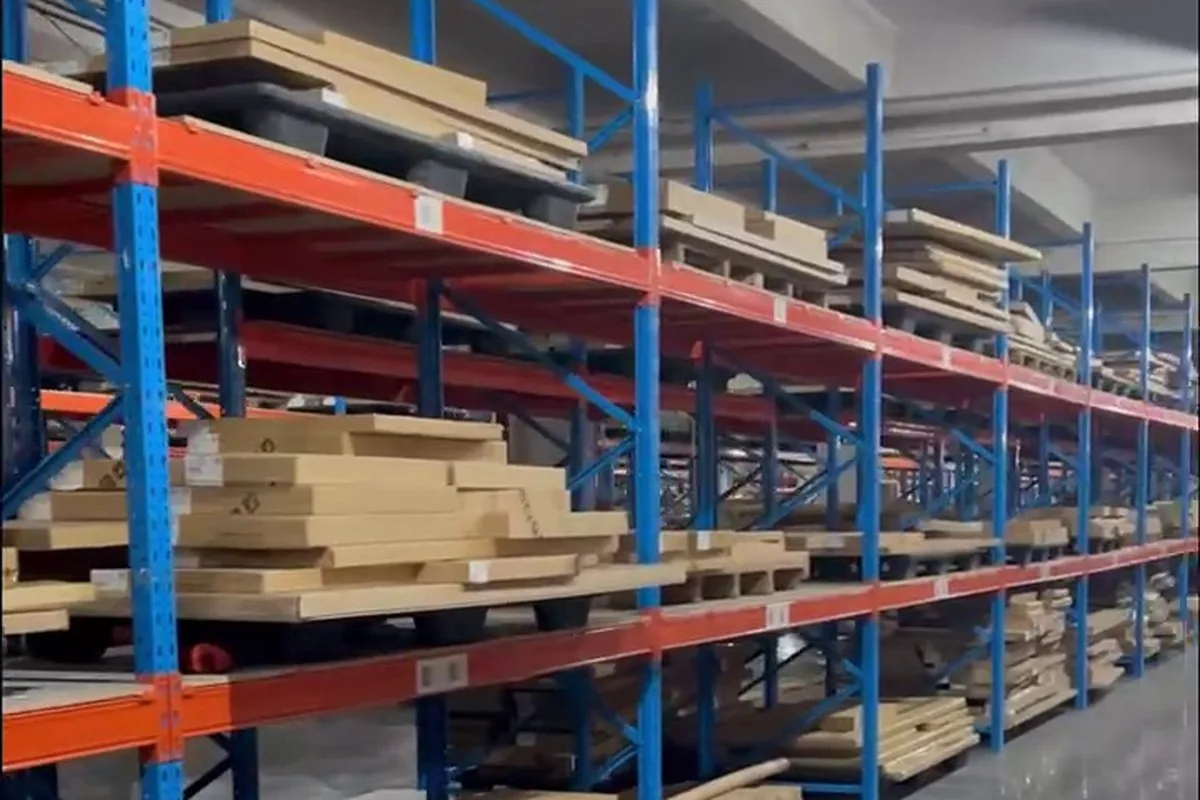

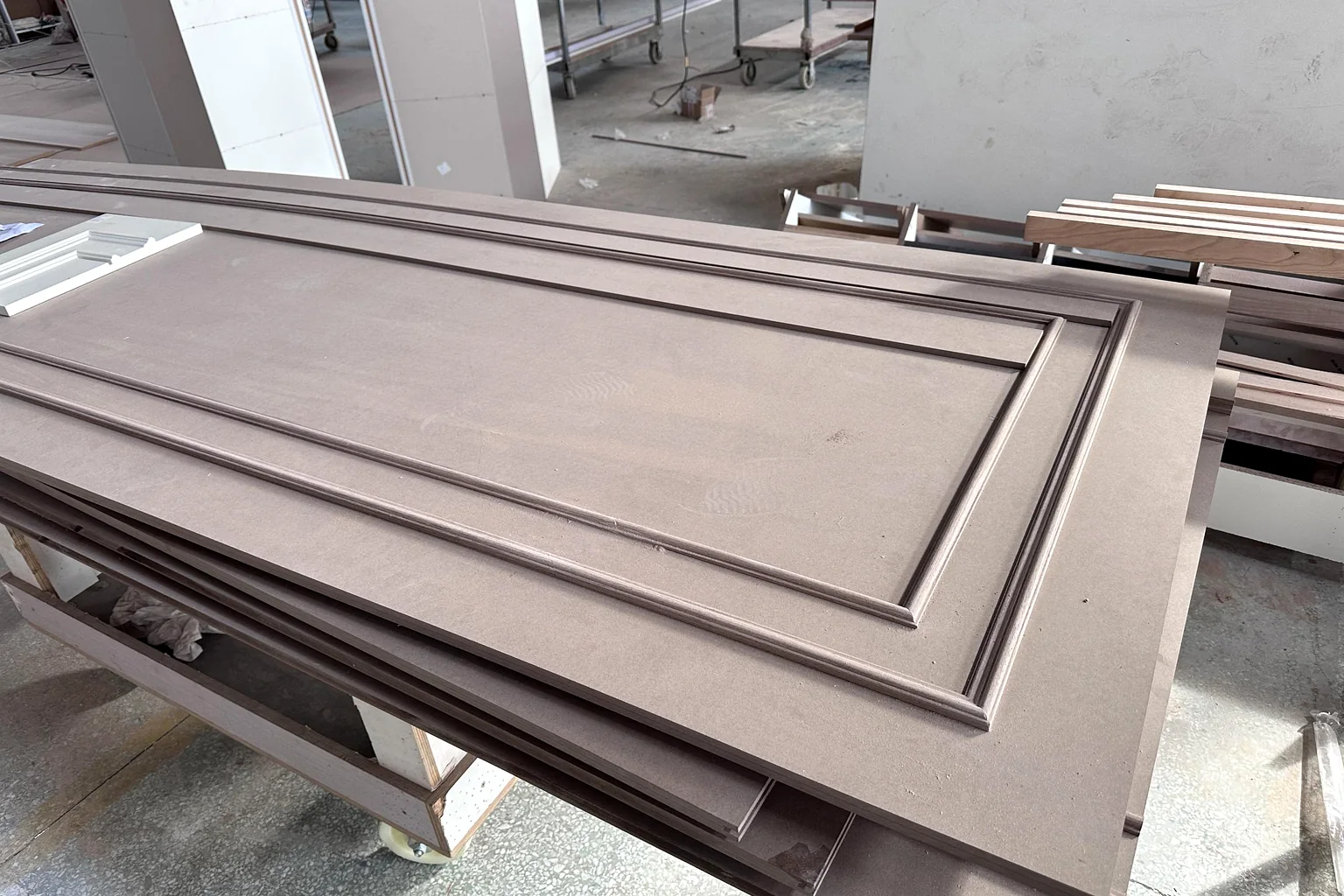
Three rules for the call. Ask the operator to walk, not stand still - movement is harder to stage than a static shot. Ask one question you did not send in advance ("what is running on this machine right now?"), and watch who answers: a foreman who answers without checking is a factory, a salesperson who deflects is not. And if the story feels too smooth, ask for the same shot at a different time of day next week. A factory that does this weekly will not mind - the floor we run gets filmed more often than photographed.
One limit worth stating plainly: from a desk you cannot audit daily workmanship or spot the corner that gets cut on a Tuesday. That is what the 24/48/72-hour gates, the bench trial assembly and a pre-shipment inspection booked by you - SGS, Intertek or BV - are for.
Red flags that end the conversation
- Live video is "not possible this week" - three refusals in a row is the answer.
- A report number with no issuing body, or an expired certificate presented as current.
- Nobody can name the banding glue or a single hardware model.
- The invoice company differs from the factory on the video and the lease - and nobody explains why.
- One photo set described as "our three factories".
- Capacity quoted without asking your order size, then a slot that moves when you ask for a date.
- No spec sheet, but a deposit request.
- Trial assembly offered "on request" rather than as standard.
FAQ
Can I verify a Chinese cabinet factory without visiting?
Yes. Remote verification works when you ask for artifacts instead of assurances: live video on demand, report numbers with an issuing body and an expiry date, per-order trial-assembly photos, and a pre-shipment inspection on the first container. The nine checks in this guide are the order we recommend running them in.
What is the fastest set of checks that eliminates bad options?
The first three. Line ownership (live walk from office to CNC line, same legal name on invoice and lease), capacity stated against your order size with a written slot, and a board report number you can verify with the issuing lab. Most unsuitable suppliers are gone inside a day.
How do I verify a test report number?
Ask for the issuing body, the issue and expiry dates, and the scope - which product, which standard. Then check it with that body: the lab's online report query, or an email to the certifier. For CARB / TSCA Title VI, verification runs through the third-party certifier. Expired certificates presented as current are the most common trap.
What should I ask to see in a live video audit?
Six shots in order: board racks with grade labels legible, the CNC line running, the edge-banding machine with a cut-edge close-up, the hardware bin with model numbers, the finishing room with your finish on the wall, and the trial-assembly bench. Ask the operator to walk rather than stand, and ask one unscripted question mid-walk.
Do I need third-party inspection on a first container?
Realistically yes. A pre-shipment inspection booked by you - SGS, Intertek or BV - is a small line against a container of cabinets, and it moves the argument about what was promised from messages to a report. Book it yourself so the inspector reports to you.
What does trial assembly actually prove?
That every bay goes together before it is packed: door reveals, hinge alignment, drawer lines and hardware operation. On our line every order is trial-assembled at the 72-hour gate, and the photos of your own order are part of the report. A stock photo set reused across orders proves nothing.
How do I judge a lead time I am quoted?
Ask for factory time in days, the stages it covers, the definition of on-time (from confirmed slot or from deposit) and the window it is measured over. Ours is 10-14 days of factory time across ten production stages, with 98% on-time delivery measured across delivered programs. "As fast as possible" is not an answer.