Compare · Shipping terms
DDP vs. FOB: who pays for the part after the port.
Same cabinets, two very different totals. The trade term on the quote decides whether the freight, the duty and the clearance are your problem to solve - or the factory's.
What the terms mean
Two lines where the factory's job ends.
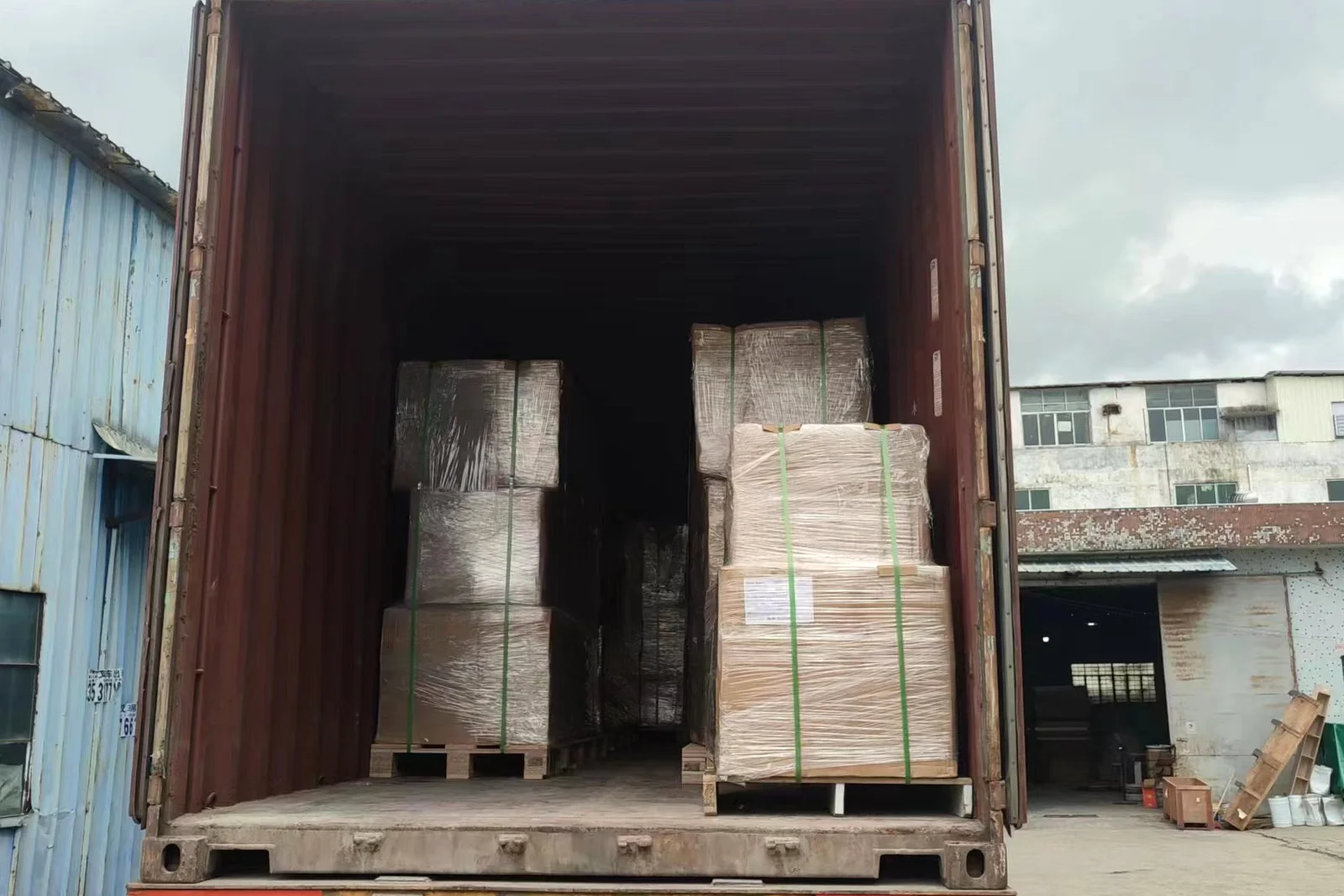
The difference between DDP and FOB is a single line: the point at which responsibility and cost pass from the supplier to you. Everything before that line is the cabinets; everything after it is the ocean, the border and the truck.
- DDP - Delivered Duty Paidfactory covers it to your door
- FOB - Free On Boardfactory's job ends on the vessel
- CIF (often quoted too)factory covers cost + insurance + freight, not duty
In practice CIF lands between the two: the freight is in the price, but the US duty and clearance still land on you. If a quote says CIF, ask exactly which of the lines below are and are not inside the number.
Side by side
Who pays for each line.
| Cost line | DDP (we cover) | FOB (you cover) |
|---|---|---|
| Cabinet price | Included | Included |
| China export clearance | Included | Included |
| Ocean freight | Included | You |
| US import duty (Section 301) | Included | You |
| US customs clearance | Included | Your broker |
| Drayage / port trucking | Included | You |
| Insurance in transit | Included | You |
| Delivery to your site | Included | You arrange |
| Best for | First import, fixed budget | You have a broker + volume |
Count the "You" column: under FOB the freight, the duty, the clearance, the drayage and the insurance are all your account and your risk. Under DDP they are inside the one number, quoted per port before you pay.
Where the cost hides in FOB
The line items that catch people out.
The FOB price looks lower until the container is already at the port and the real lines arrive. These are the three that cluster together - the deep walkthrough is on the US import guide.
- The tariff lineSection 301 duty, found at the port
- Storage / demurragedays the box sits unresolved
- Drayage + broker feesthe short haul and the paperwork

When FOB makes sense
It's a real choice, not a trap.
FOB is the right term when you already run it: you have a US customs broker you trust, you move more than one container a year, you want to shop the freight yourself, and you know the HS code and the current duty rate. In that setup, controlling the port side can genuinely beat an all-in DDP number. For a first order without a broker in place, DDP removes the one risk you cannot easily recover from - a container clearing slowly while the install date holds.
How we quote DDP
Line items, per port, nothing buried.
A DDP quote from us carries the cabinet price, then ocean freight, then import duty, then drayage and delivery as separate lines, quoted for your specific port of entry. Transit we commit in writing: 18-22 days to the US West Coast and Vancouver, 32-40 to the US East Coast, 15-20 to Sydney. The full path and the date commitments are on the how we work page.
FAQ
DDP vs. FOB, in plain answers.
Is DDP always the cheaper option?
What is the Section 301 tariff and why does it matter here?
Who clears US customs under each term?
Can I take FOB and still have your help on the port side?
How is the DDP price broken down so I can check it?
Keep comparing
The other three decisions.
Imported vs. domestic
The landed number, not the sticker - where the savings stay and where they disappear.
Custom vs. RTA
Not a quality tier - a fit decision. What each format costs and where each wins.
Flat-pack vs. assembled
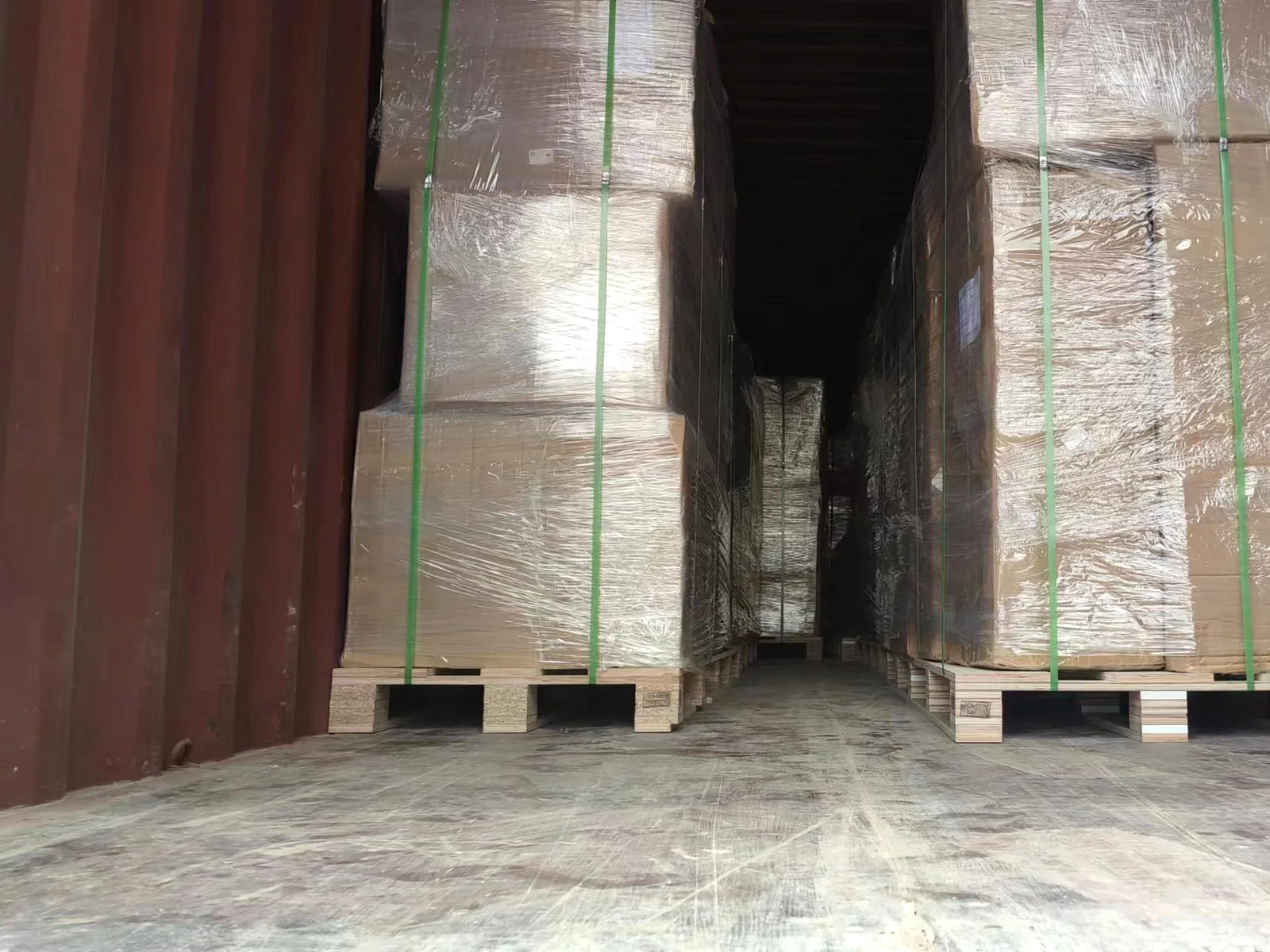
How many fit in a container, and what that does to freight, damage and install day.

All comparisons
Every side-by-side in one place - the decisions behind a cabinet order.
One number to the dock.
Send the floor plan and your port of entry - the DDP total comes back with the 3D layout, line items separate. Free, no deposit to start.