The fair comparison
Compare at the site, not at the sticker.
A US showroom price and a China factory price are not the same thing to subtract. The showroom figure may exclude freight to your site, a full set of interiors, or the stone. The factory figure may be FOB - freight and duty not yet added. The only honest comparison is landed: what is on your floor, ready to install, all-in. That is the number this page builds.
Side by side
Imported vs. US-made, line by line.
| Factor | Imported (Adam, Foshan) | Domestic (US-made) |
|---|---|---|
| Price basis | DDP landed, line items shown | Showroom / per foot, varies |
| Board standard | ENF + CARB P2, cert on request | Varies by brand - ask for the cert |
| Production lead | 10-14 days | Varies; often longer for custom |
| Delivery to site | 18-40 days, door-to-site DDP | Local freight, varies |
| Customization | Full custom or RTA, one factory | Depends on dealer + factory |
| Accountability | One order, one number | Split: designer, dealer, factory, installer |
| Where it tends to win | Custom fit, whole-home consistency, landed cost | Local install + recourse, speed for standard runs |
Read the last row before the others. Both sides win somewhere - the question is which of the winning columns your project actually weighs.
Where domestic genuinely wins
Be clear-eyed about it.
If the project is a standard room on a fixed date, and you value a local installer you already work with and a warranty you can walk into, domestic is the rational call. Local recourse is real - a call to the showroom, a van the next week. We are not going to pretend the ocean is not a real distance.
- Local install + recoursea relationship you can walk into
- Speed for a standard runno ocean transit to schedule around
- Familiar warranty enforcementlocal showroom, local service
Where import wins
The numbers that hold at the site.
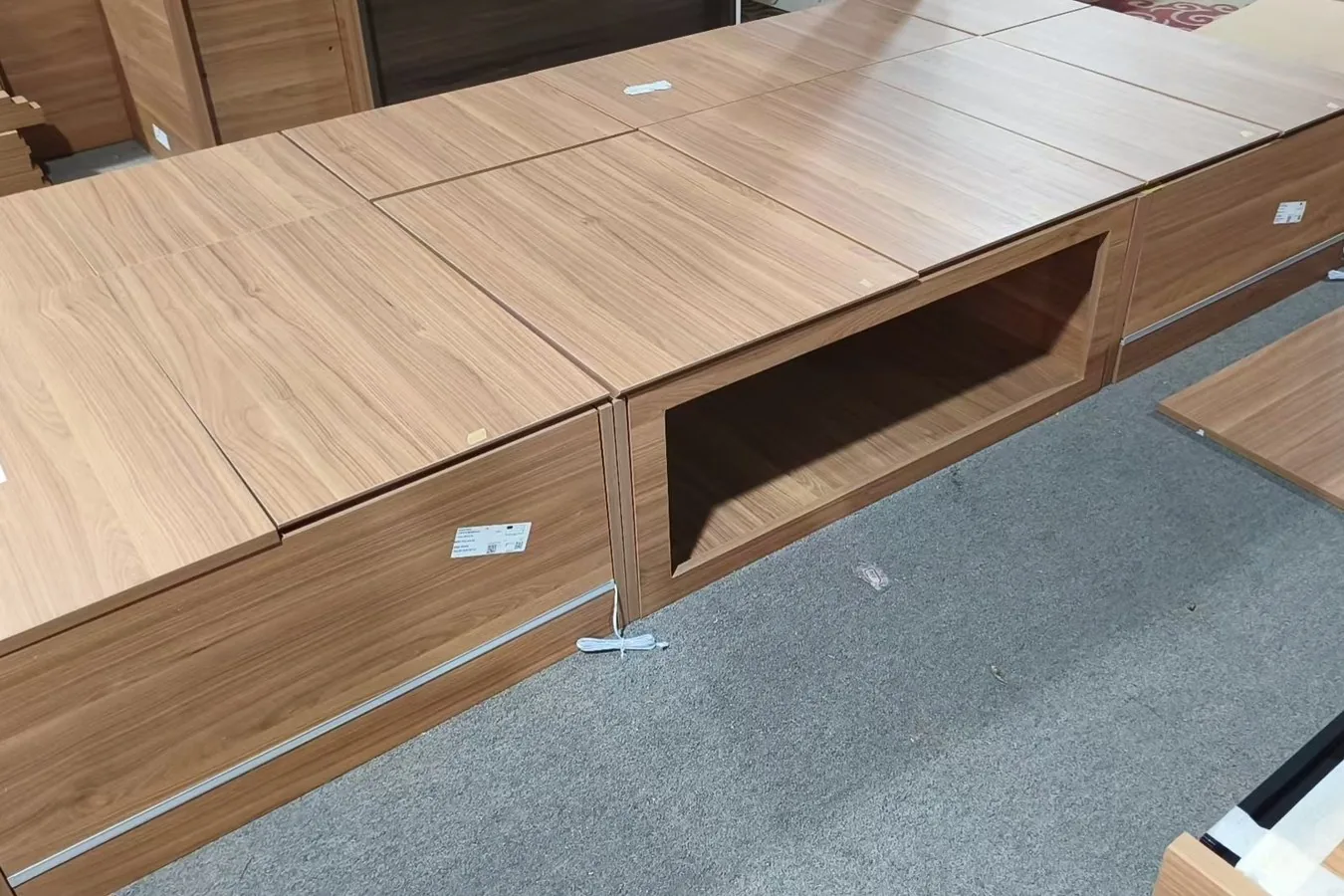
Importing wins when the project is custom or multi-unit: a whole home that must match to the millimeter, a non-standard room a domestic stock grid cannot reach, or forty identical units that have to be priced and built the same. One factory, one board standard, one DDP number to the site - the consistency is the point as much as the cost.
Who should import
A short, honest list.
Import is the right move for developers and multi-unit programs, whole-home custom builds, and any room the standard grid does not fit. It is the wrong move if the date is immovable and tight, the room is perfectly standard, and the local installer relationship is the thing you actually care about. Send the plan and we will tell you which side of that line your project sits on - that is part of the quote, not a sales step.
FAQ
Imported vs. domestic, in plain answers.
Is lower cost really why people import cabinets?
What board standard do the runs meet, and why does it matter?
What is the real risk in importing?
How long from order to the site?
Do you install in the US?
Keep comparing
The other three decisions.

DDP vs. FOB
Who pays freight, duty and clearance - the term on the quote decides.

Custom vs. RTA
Not a quality tier - a fit decision. What each format costs and where each wins.
Flat-pack vs. assembled
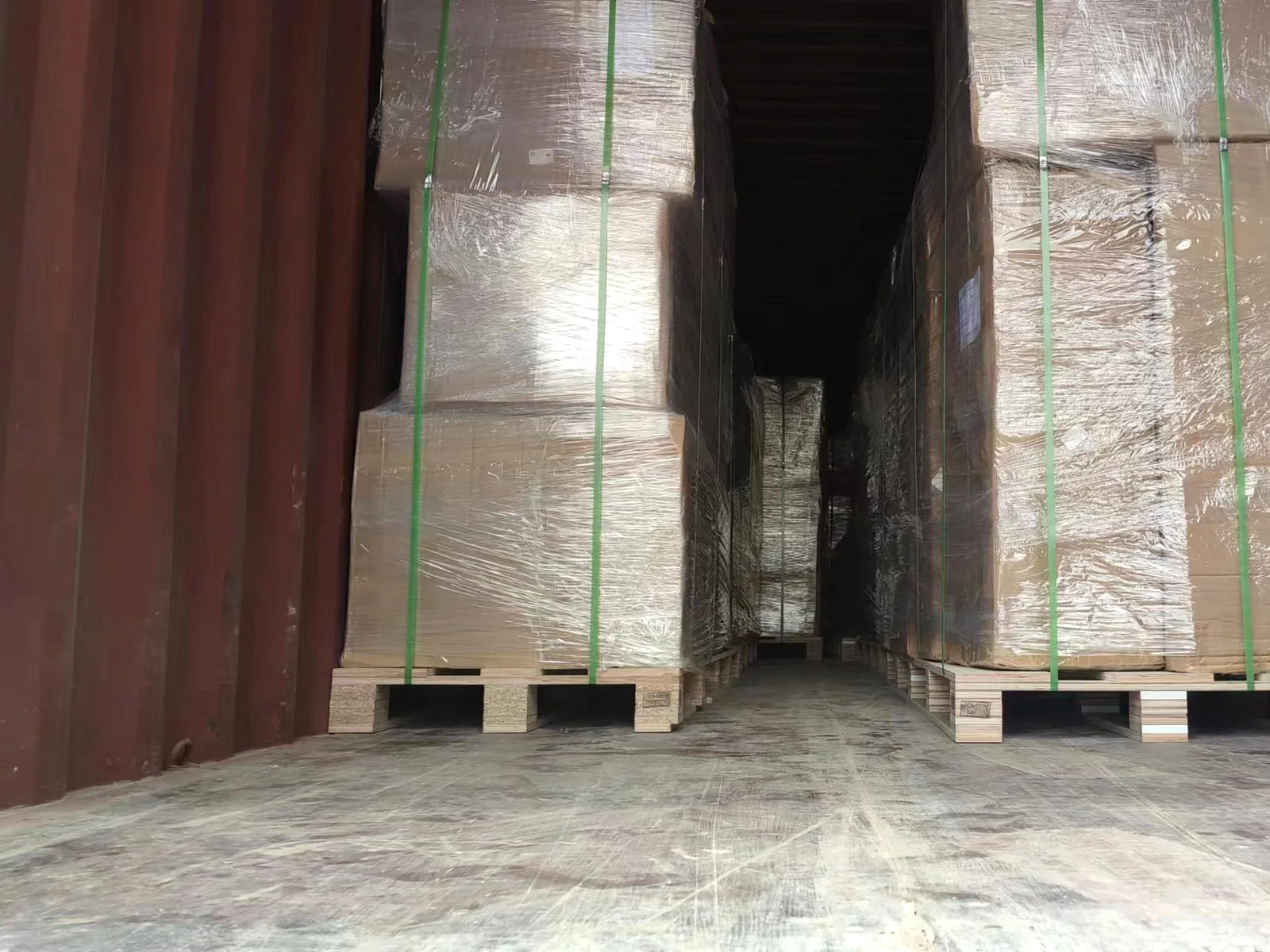
How many fit in a container, and what that does to freight, damage and install day.
All comparisons
Every side-by-side in one place - the decisions behind a cabinet order.
See which side your project sits on.
Send the floor plan and your site. You get the 3D layout, the DDP landed number, and a straight answer on whether importing is the right call for this build.