The two formats
Same line, two ways to build it.
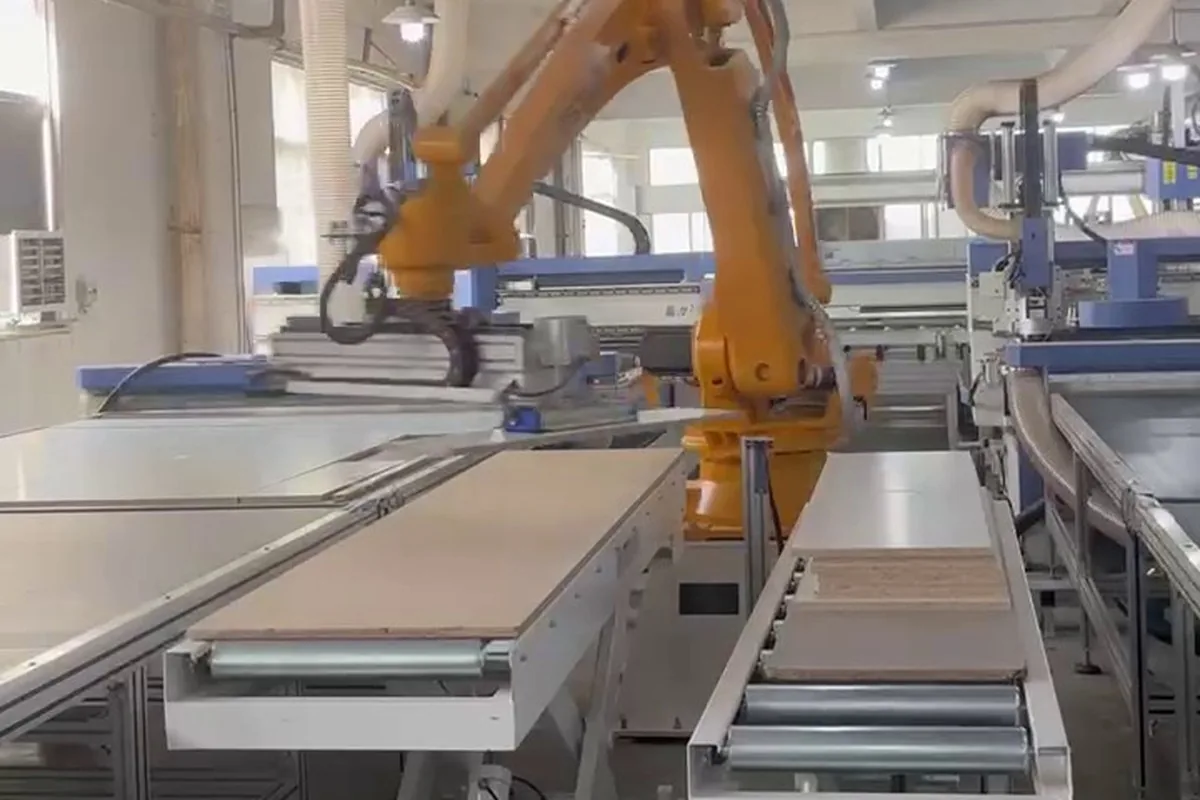
Both run through the same factory, the same board standards and the same QC - the difference is whether the boxes are cut to a fixed module or to your drawings. Everything below is built in-house; we make both, so this is not a sales pitch toward one.
- Custom (made-to-order)boxes cut to your exact openings
- RTA (ready-to-assemble)standard module, boxed, assembled on site
- Board standardENF / CARB P2 on both
- Hardwaresame soft-close and hinges across both
Side by side
Custom vs. RTA, line by line.
| Dimension | Custom (made-to-order) | RTA (ready-to-assemble) |
|---|---|---|
| Box sizes | Cut to your exact openings | Fixed standard module |
| Fit in a non-standard room | Every gap closed by design | Filled around with trim |
| Finish | One code per room, mixed fronts | Per-box or per-front |
| Interiors | Pull-outs, soft-close, integrated | Standard shelves, add-on inserts |
| Pricing | Per linear foot to your drawings | Per box / linear foot, off a standard |
| Lead time | 10-14 days factory | 10-14 days factory |
| Best for | Remodels, odd rooms, whole-home | Straightforward rectangular rooms |
Read the last two rows together: the lead time is the same, and the pricing model is the same - the money and the decision both live in the first three rows, where the room either fits the grid or it does not.
Where RTA wins
Honest - some rooms do not need custom.
If the room is rectangular, the ceiling is normal height and you do not need integrated interiors, RTA gives you the same finish and hardware at a lower number and a simpler spec. Paying for custom in a room that fits the standard grid is paying to close gaps there are no gaps in.
- New-build to standard dimsgrid fits, no fillers needed
- Tight budget, straightforward layoutlower per-foot number
- Secondary room (guest, office)standard module is plenty
Where custom pays for itself
The gaps you would otherwise hide.
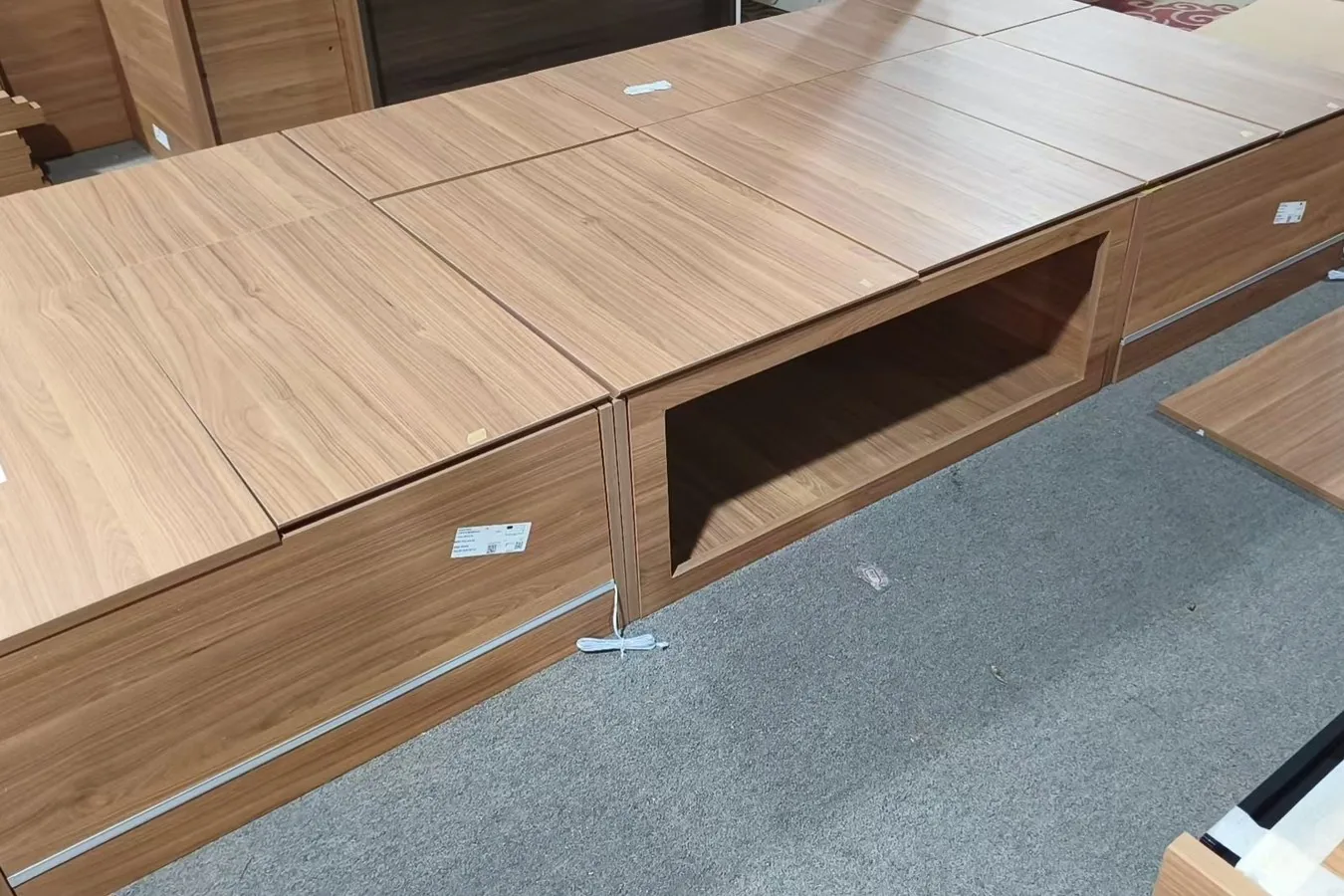
Custom is where the standard grid stops reaching: an awkward 34-inch gap, a beam to build around, a run that must land exactly on a window wall, built-in shelving that wraps a column. In those spots RTA means filler panels and visible trim; custom means the box ends where the room ends.
How we quote both
One number model, either format.
Both are quoted per linear foot against your drawings, with box, hardware and crating inside and freight and duty as separate line items. So the comparison you should make is not "custom price vs RTA price" off a brochure - it is your room, quoted both ways. Send the plan and you get both numbers back in the same message. Read exactly what each line includes on the quotation guide, and the full order path on the how we work page.
FAQ
Custom vs. RTA, in plain answers.
Is a custom cabinet always better quality than an RTA one?
When does RTA actually make sense?
How much more does custom cost over RTA?
Can I mix custom and RTA in one project?
What do I need to start a custom quote?
Keep comparing
The other three decisions.

Imported vs. domestic
The landed number, not the sticker - where the savings stay and where they disappear.

DDP vs. FOB
Who pays freight, duty and clearance - the term on the quote decides.
Flat-pack vs. assembled
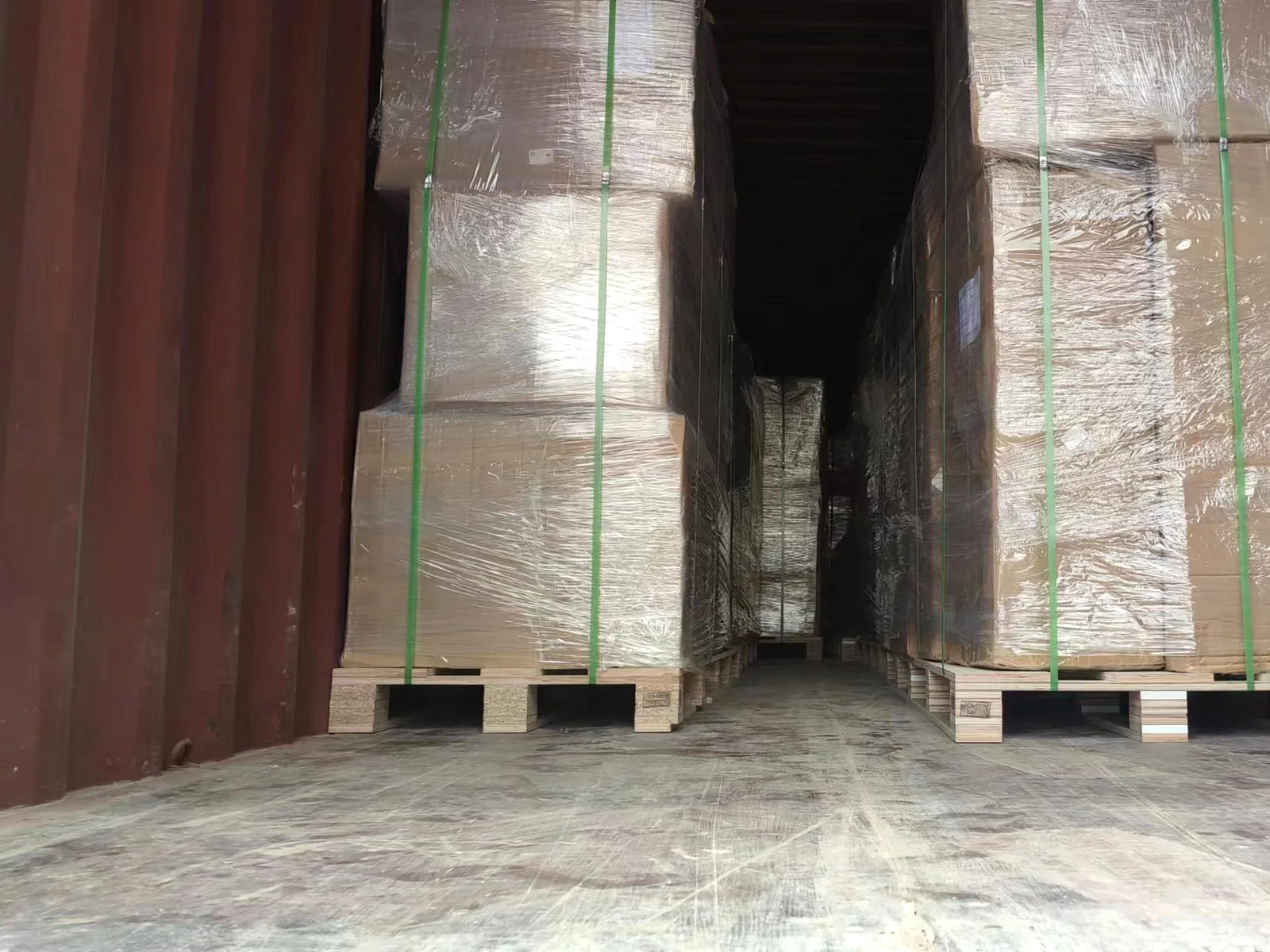
How many fit in a container, and what that does to freight, damage and install day.
All comparisons
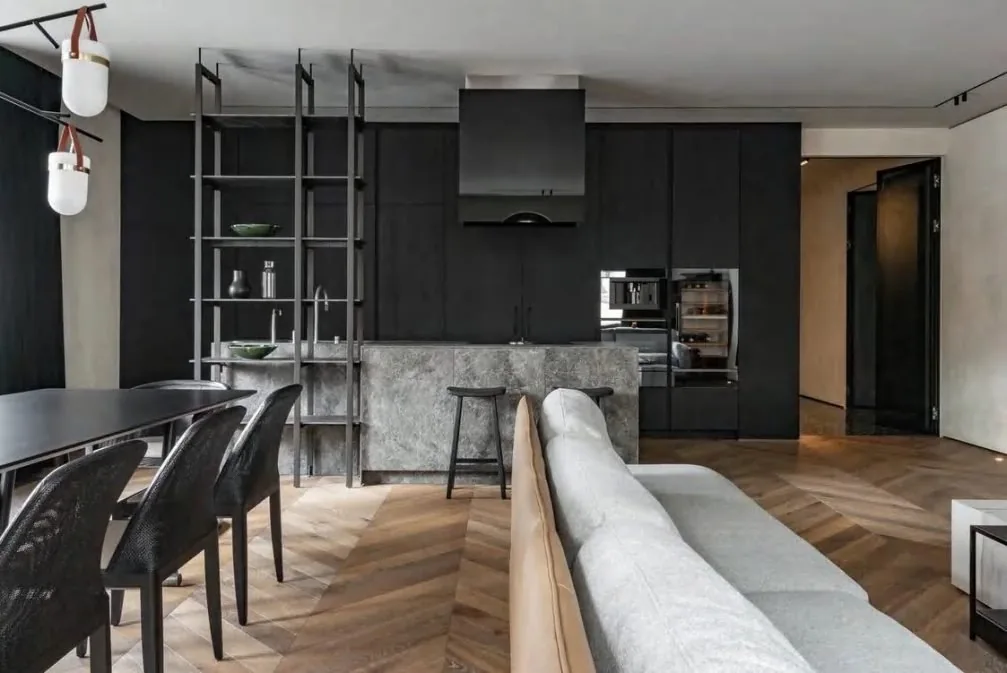
Every side-by-side in one place - the decisions behind a cabinet order.
Send the plan. Get both numbers.
The 3D layout and the per-linear-foot figure come back within one business day - free, with no deposit to start. Quote your room custom or RTA and decide on the numbers.