What each one is
Same cabinet, two moments of assembly.
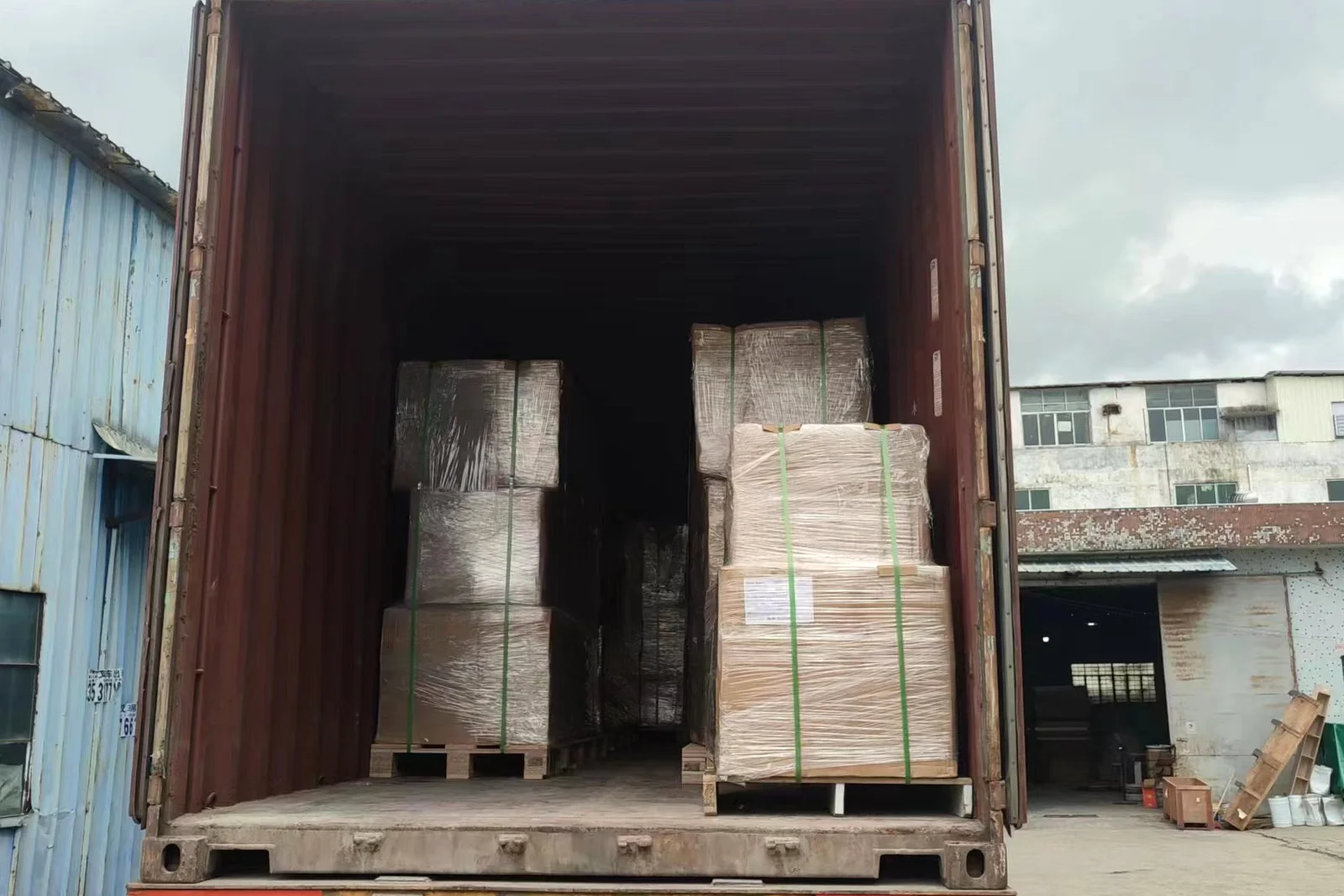
The cabinet is built in the factory either way. The difference is when it becomes a cabinet: flat-pack ships as numbered panels and boxes and is assembled on your site; assembled ships already built, strapped on a pallet, ready to set and level. Everything below is the same board and the same hardware - the format is a logistics decision, not a material one.
- Flat-pack (RTA)panels + boxes, assembled on site
- Assembled (pre-built)built + strapped, set on arrival
- Board & hardwareidentical across both
- Defaultflat-pack, crated, insured
Side by side
Flat-pack vs. assembled, line by line.
| Factor | Flat-pack (RTA) | Assembled (pre-built) |
|---|---|---|
| Container yield | More per container - panels nest | Fewer per container - ships volume |
| Freight per linear foot | Lower (dense load) | Higher (shipping air) |
| Damage in transit | Corner-protected panels, one bay at a time | Box-level risk, dents show |
| On-site labor | Assemble - 1.5-2 d, two-person crew | Set + level - faster, heavier |
| Final fit | Adjusted on site to the room | Must fit as shipped |
| Best for | Most orders, non-standard rooms | Tight schedules, show-ready arrival |
Two rows decide it: container yield (which sets the freight) and final fit (which sets whether the room works). Everything else follows from those two.
The container math
Yield is where the freight goes.
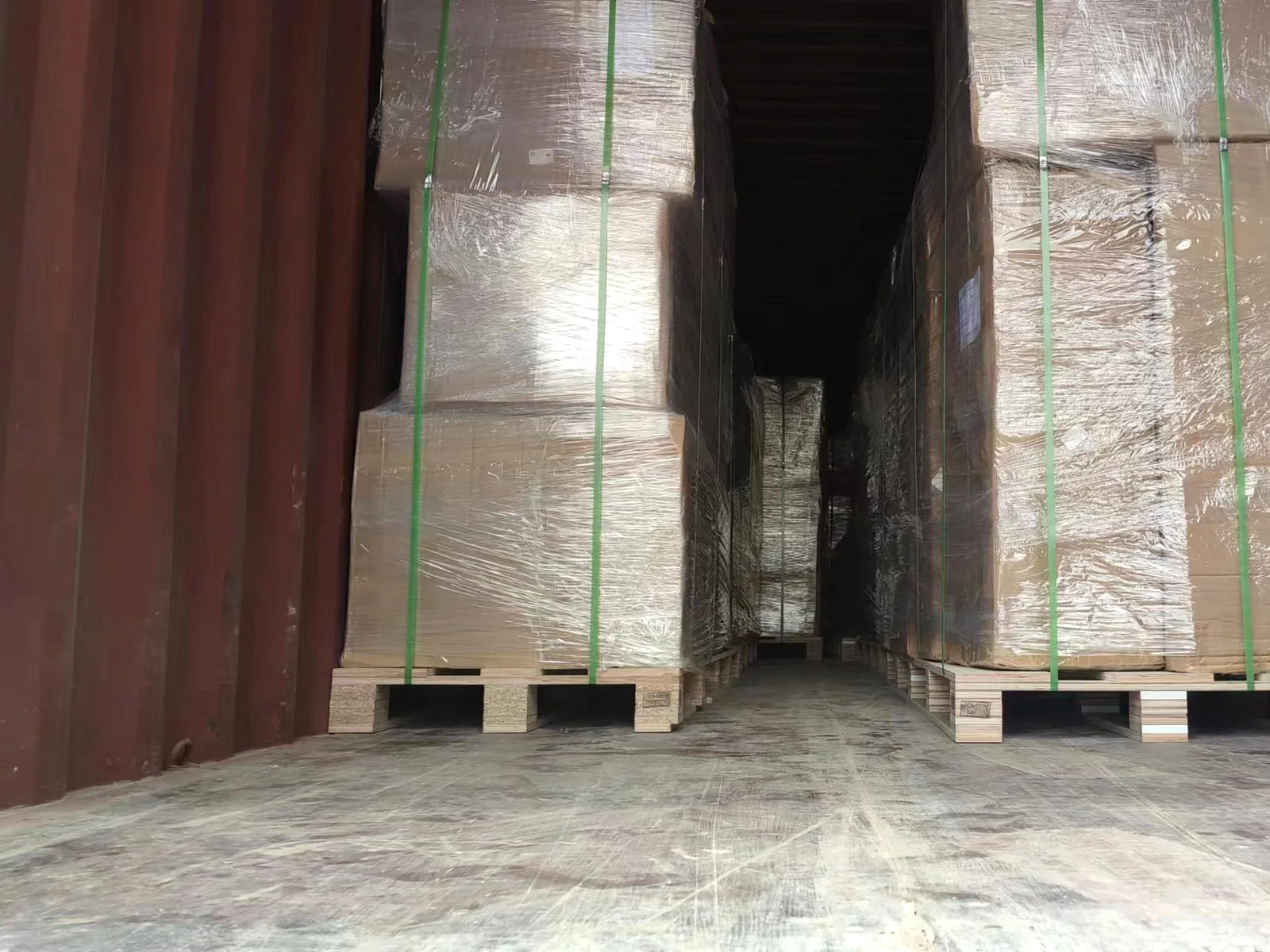
A flat load packs the container dense - panels and boxes nest, so the ocean freight is spread across more linear feet. An assembled load ships the volume of built boxes, and a built box holds a lot of air, so the same container carries fewer cabinets and the freight per foot is higher. When you compare two quotes, the format is often the hidden line behind a freight gap that looks like a price gap.
Damage, honestly
Both are protected. They fail differently.
Flat-pack fails in pieces: a hit shows on one numbered bay, the rest of the run is untouched, and the replacement is a few panels on the next container. Assembled fails in boxes: a dented built cabinet is visible on arrival, and there is less you can adjust once it is set. Both ship crated and insured; the numbered flat box is what makes a claim fast either way.
- Flat-pack failureone numbered bay, easy to replace
- Assembled failurea visible box, set as shipped
- Bothcrated, insured, reported in 48 h
What we ship by default
Flat-pack - unless your room says otherwise.
We default to flat-pack because it is the lower freight and the better fit. We switch to assembled on request when the schedule is tight enough that on-site assembly does not fit, or when the openings are known to fit exactly as shipped. Which one your room wants is answered in the quote - the format is confirmed before you order, not after the container is loaded. The full packing and delivery path is on the how we work page.
FAQ
Flat-pack vs. assembled, in plain answers.
Which one do you ship by default?
Is flat-pack lower quality than assembled?
How long does on-site assembly take?
What protects the cabinets in transit?
Can I have it pre-assembled so it is ready to install on arrival?
Keep comparing
The other three decisions.
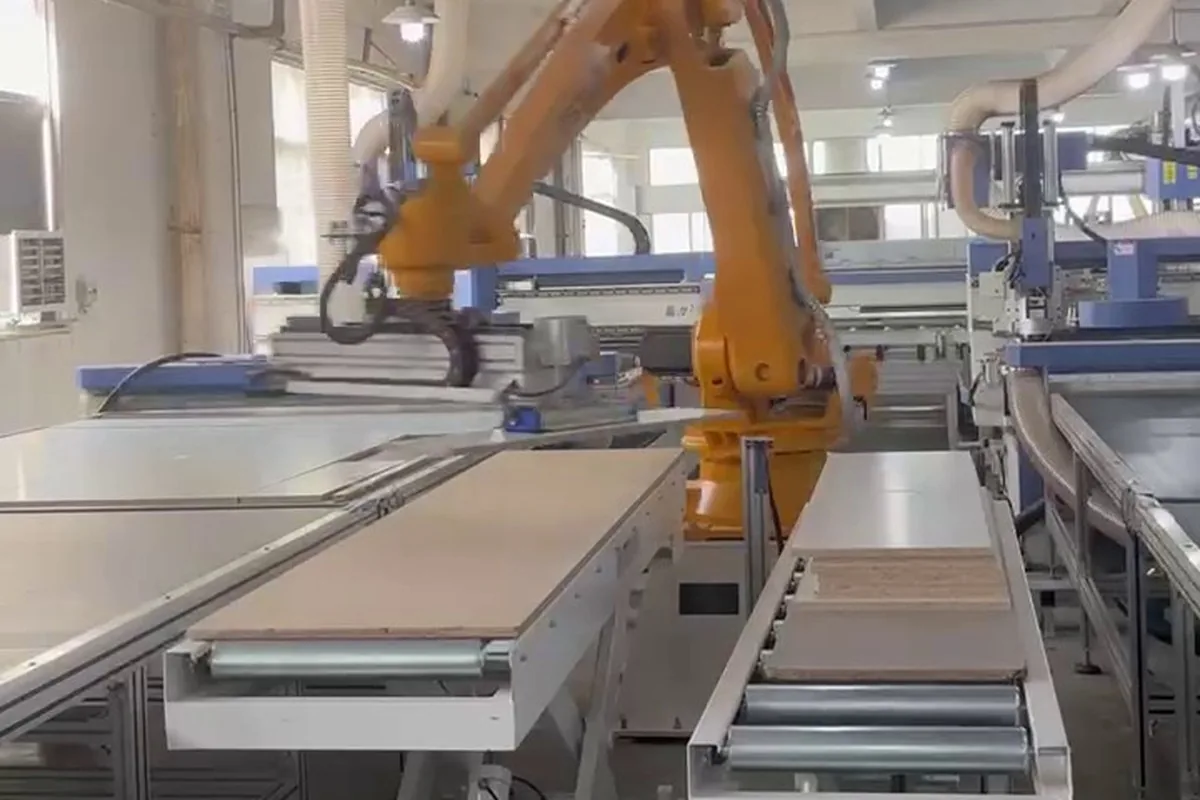
Custom vs. RTA
Not a quality tier - a fit decision. What each format costs and where each wins.
Imported vs. domestic
The landed number, not the sticker - where the savings stay and where they disappear.

DDP vs. FOB
Who pays freight, duty and clearance - the term on the quote decides.
All comparisons
Every side-by-side in one place - the decisions behind a cabinet order.
Once the crate is on site: the cabinet installation guide - the tool list, the hardware in the bag and the numbered sequence.
Get the format that fits your room.
Send the floor plan and your schedule. The quote comes back with the 3D layout, the per-foot number, and the ship format we recommend for this build - confirmed before you order.